Argentina

1995 Argentina Match Worn Confederations Cup Final Home Shirt Rambert #11
1799.99£ - ca: €2124

1994-97 Argentina Away L/S Shirt Maradona #10 - 8/10 - (L)
719.99£ - ca: €850

1980-82 Argentina Home 'Campeon del Mundo' Shirt (M)
719.99£ - ca: €850
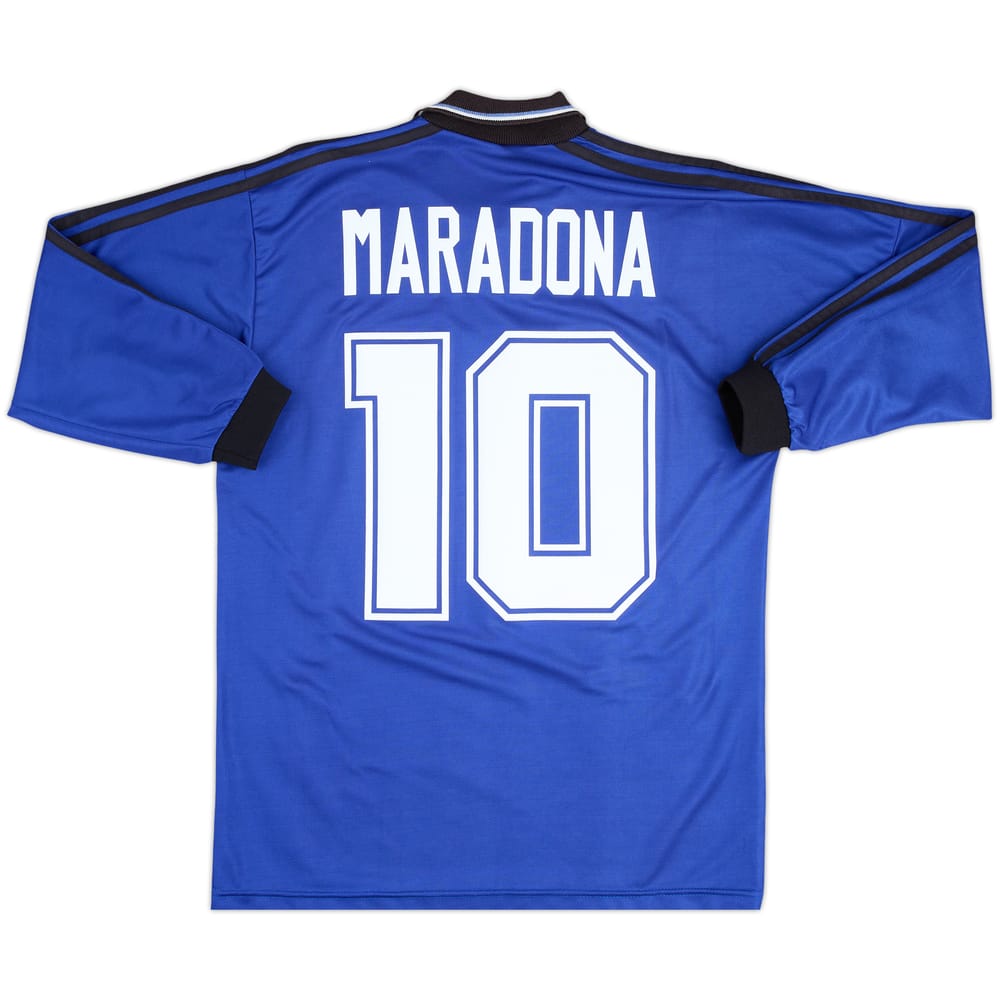
1994-97 Argentina Away L/S Shirt Maradona #10 - 8/10 - (M)
719.99£ - ca: €850

1994-97 Argentina Away L/S Shirt Maradona #10 - 8/10 - (M)
719.99£ - ca: €850

1994-97 Argentina Away L/S Shirt Maradona #10 - 7/10 - (L)
599.99£ - ca: €708

1994-97 Argentina Away L/S Shirt Maradona #10 - 6/10 - (XL)
599.99£ - ca: €708

1994-97 Argentina Away L/S Shirt Maradona #10 - 7/10 - (XL)
599.99£ - ca: €708

1994-97 Argentina Away L/S Shirt Maradona #10 - 7/10 - (M)
599.99£ - ca: €708

1994-97 Argentina Away L/S Shirt - 8/10 - (L)
539.99£ - ca: €637
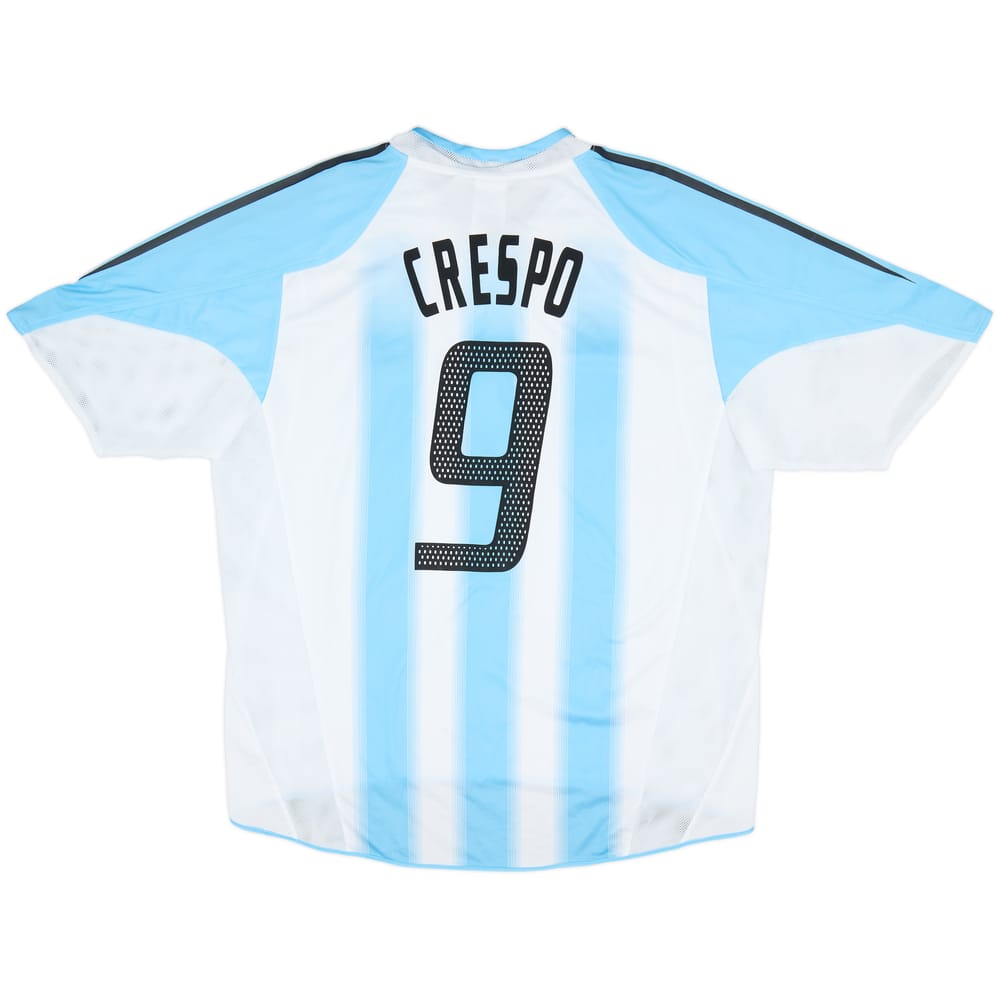
2004-05 Argentina Home Shirt Crespo #9 (XL)
479.99£ - ca: €566

1988 Argentina Olympics Home L/S Shirt - 8/10 - (XL)
479.99£ - ca: €566

2004-05 Argentina Away Shirt Crespo #9 (L)
479.99£ - ca: €566

1994-97 Argentina Away Shirt & Shorts #9 - 7/10 - (L)
419.99£ - ca: €496

1992-94 Argentina Home Shirt - 8/10 - (M)
419.99£ - ca: €496

1990-91 Argentina Home Shirt - 10/10 - (XL)
419.99£ - ca: €496

1984-86 Argentina Home Shirt - 7/10 - (S)
359.99£ - ca: €425

2016-17 Argentina Home Shirt Messi #10 (L)
359.99£ - ca: €425

1994-97 Argentina Away L/S Shirt Redondo #5 - 5/10 - (L)
359.99£ - ca: €425

2016-17 Argentina Home Shirt Messi #10 (XL)
359.99£ - ca: €425

1984-86 Argentina Home Shirt - 7/10 - (S)
359.99£ - ca: €425

1994 Argentina Home L/S Shirt Maradona #10 - 6/10 - (L)
359.99£ - ca: €425

2016-17 Argentina Home Shirt Messi #10 (XL)
359.99£ - ca: €425

1994 Argentina Home L/S Shirt - 6/10 - (M)
359.99£ - ca: €425

2016-17 Argentina Home L/S Shirt Messi #10 (L)
359.99£ - ca: €425

1994 Argentina Home L/S Shirt - 6/10 - (M)
359.99£ - ca: €425

2004-05 Argentina Away Shirt Messi #18 - 10/10 - (XL)
359.99£ - ca: €425

1994-97 Argentina Away L/S Shirt #5 - 8/10 - (L)
359.99£ - ca: €425

1994 Argentina Home L/S Shirt Maradona #10 - 7/10 - (S)
359.99£ - ca: €425
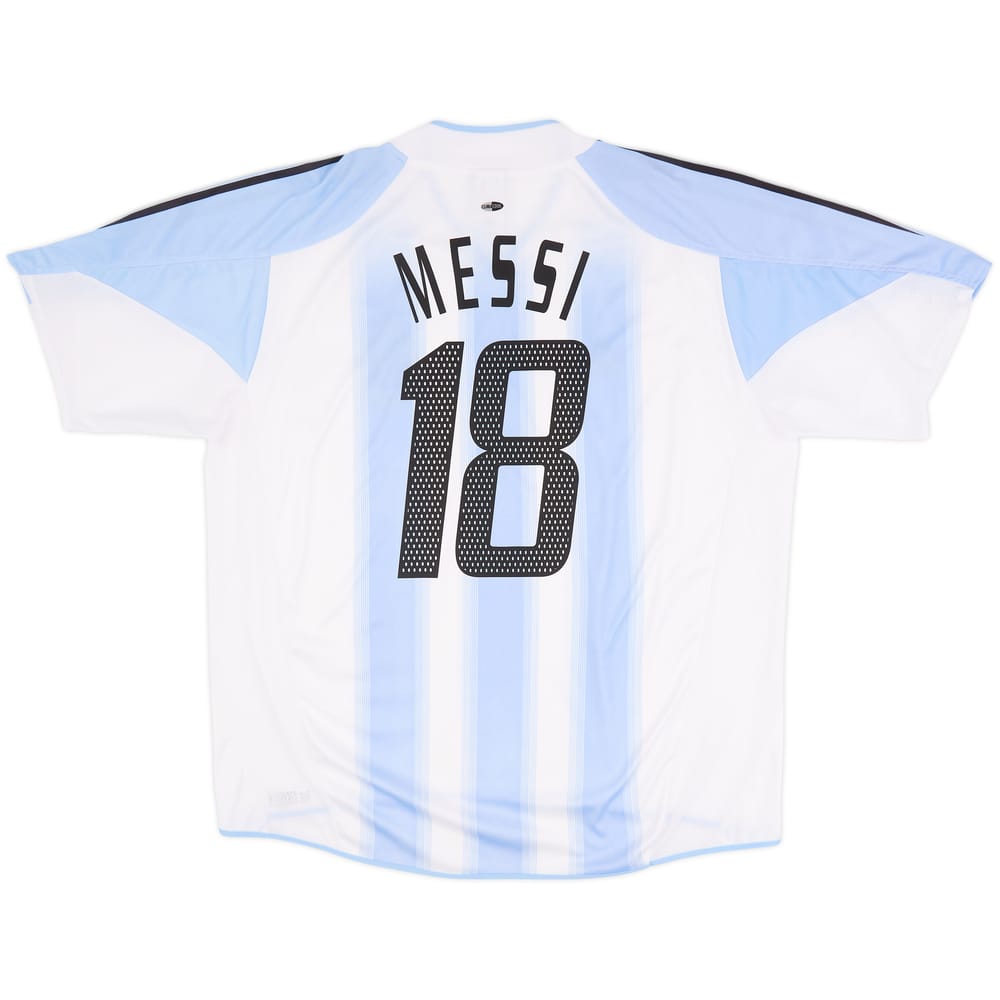
2004-05 Argentina Home Shirt Messi #18 - 10/10 - (XL/XXL)
359.99£ - ca: €425
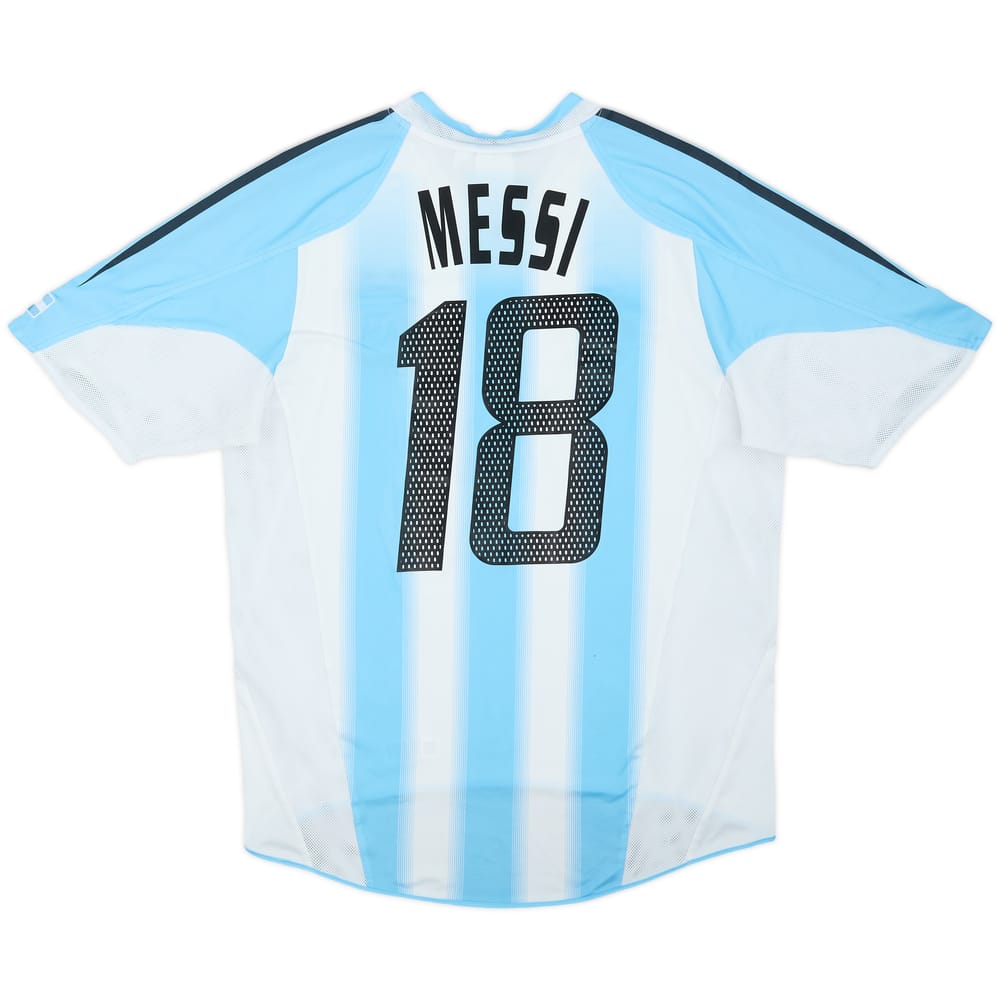
2004-05 Argentina Home Shirt Messi #18 - 8/10 - (M)
359.99£ - ca: €425

1994-97 Argentina Away L/S Shirt - 8/10 - (XS)
359.99£ - ca: €425

2006-07 Argentina Away Shirt Messi #19 - 10/10 - (L)
359.99£ - ca: €425

2004-05 Argentina Third Shirt (S/M)
299.99£ - ca: €354
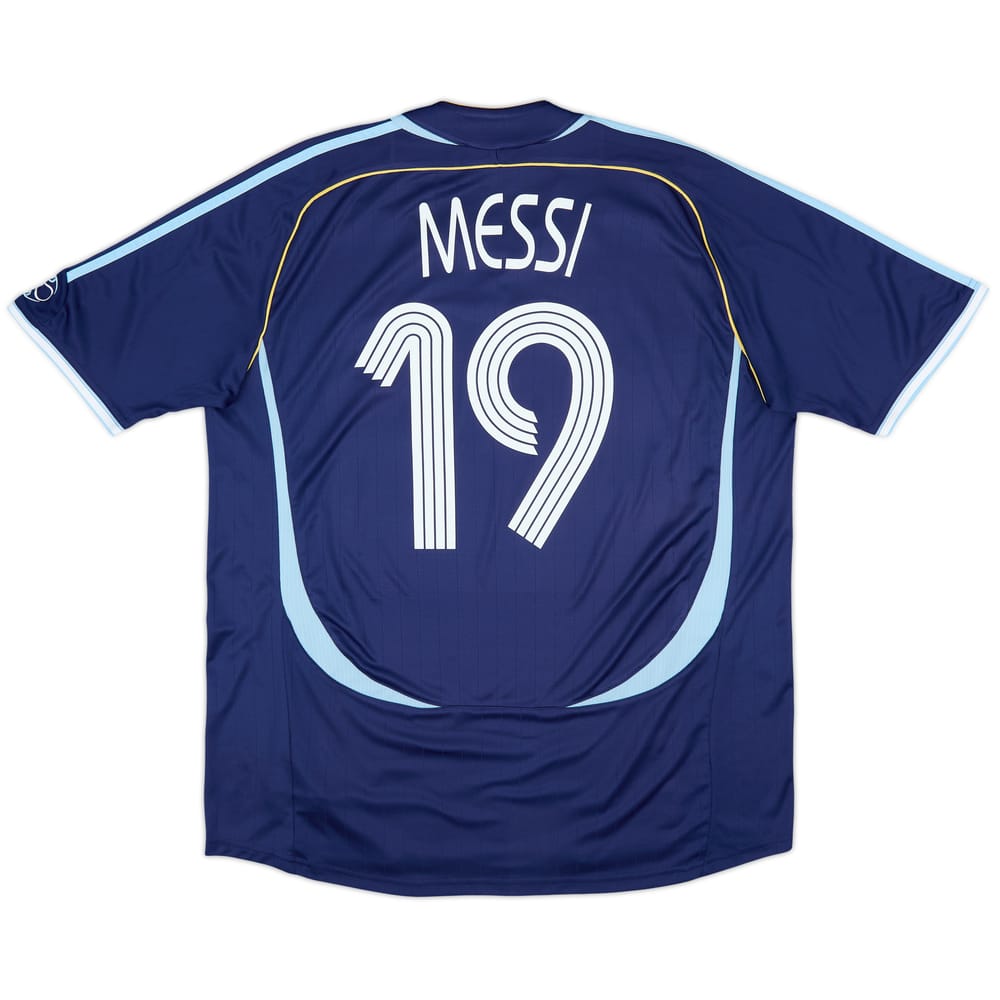
2006-07 Argentina Away Shirt Messi #19 - 8/10 - (XL)
299.99£ - ca: €354

1998-99 Argentina Home Shirt Simeone #8 - 8/10 - (M)
299.99£ - ca: €354

2010-11 Argentina Home Shirt Messi #10 (3XL)
299.99£ - ca: €354

2004-05 Argentina Home Shirt Messi #18 - 8/10 - (XL)
299.99£ - ca: €354

2007-09 Argentina Away Shirt Messi #18 - 8/10 - (M)
299.99£ - ca: €354

2016-17 Argentina Home Shirt Messi #10 (L)
299.99£ - ca: €354

1998-99 Argentina Away Shirt Batistuta #9 - 7/10 - (L)
299.99£ - ca: €354

Introduction
The retro national football team shirt of Argentina is a symbol of the country’s rich football history and tradition. With its iconic blue and white stripes, this shirt has been a source of pride and inspiration for fans and players alike.
Team History
Argentina’s football team was established in 1901, and the country has since become one of the most successful in the world. The team has won two FIFA World Cups, two Olympic Games, and 14 Copa América titles. Argentina’s golden era of football was in the 1970s and 1980s, when the team was led by legendary players such as Diego Maradona and Mario Kempes.
Achievements
During the era when the retro shirt was used, Argentina experienced significant success. The team won the FIFA World Cup in 1978 and 1986, the Olympic Games in 1988 and 2004, and the Copa América in 1975, 1979, and 1991. These achievements cemented Argentina’s place as one of the most dominant teams in football history.
Notable Players
Many legendary players have worn the retro shirt of Argentina, including Diego Maradona, Mario Kempes, and Lionel Messi. Maradona, who is widely regarded as one of the greatest players of all time, led Argentina to victory in the 1986 World Cup, scoring two of the most famous goals in football history. Mario Kempes was the top scorer at the 1978 World Cup and led Argentina to its first-ever World Cup title. Lionel Messi, who currently plays for Paris Saint-Germain, has also worn the retro shirt and is considered one of the best players in the world.
Shirt Design and Features
The retro shirt of Argentina is characterized by its blue and white stripes, which have become synonymous with the team. The shirt also features the team’s crest, which includes a sun with a human face, representing the Inca god Inti. The shirt’s collar and sleeves are typically white, with blue trim. The retro shirt also features a sponsor logo, usually on the front of the shirt. In the past, the sponsor logos have included companies such as Adidas, Le Coq Sportif, and Umbro.
Fan Significance
The retro national football team shirt of Argentina holds significant meaning for fans of the team. The shirt represents a rich history of success and dominance, as well as a sense of pride and identity. Fans often wear the retro shirt to games, both in Argentina and around the world, as a way of showing their support for the team. The shirt has also become a popular collector’s item, with many vintage shirts being highly sought after by collectors and fans alike.
Conclusion
The retro national football team shirt of Argentina is more than just a piece of clothing. It is a symbol of the country’s rich football history, a source of pride for fans, and a reminder of the team’s incredible achievements. The shirt’s iconic blue and white stripes, as well as its unique design and features, have made it one of the most recognizable and beloved shirts in football history. Whether worn by fans or players, the retro shirt represents a legacy of success and a tradition of excellence that will continue to inspire and unite Argentina’s football community for generations to come.
1 / 15