Leeds United

1977-81 Leeds United Home L/S Shirt - 7/10 - (M)
419.99£ - ca: €496

1990-91 Leeds United Home Shirt - 10/10 - (XL)
359.99£ - ca: €425

2000-02 Leeds United Player Issue Home L/S Shirt Radebe #5 (XL)
359.99£ - ca: €425

2000-02 Leeds United Player Issue Home L/S Shirt Viduka #9 (XL)
359.99£ - ca: €425

1990-91 Leeds United Home Shirt - 8/10 - (XL)
299.99£ - ca: €354

1992-93 Leeds United Home Shirt - 10/10 - (XL)
299.99£ - ca: €354

2002-03 Leeds United Away L/S Shirt Radebe #5 (M)
299.99£ - ca: €354

2002-03 Leeds United Home L/S Shirt Radebe #5 (XL)
299.99£ - ca: €354

1992-93 Leeds United Home Shirt - 10/10 - (M)
299.99£ - ca: €354

1986-87 Leeds United Home Shirt - 9/10 - (M)
299.99£ - ca: €354

1986-87 Leeds United Home Shirt - 8/10 - (M)
299.99£ - ca: €354

1990-91 Leeds United Home Shirt - 8/10 - (XL)
299.99£ - ca: €354

1986-87 Leeds United Home Shirt - 8/10 - (L)
299.99£ - ca: €354

1990-91 Leeds United Home Shirt - 9/10 - (XL)
299.99£ - ca: €354

1989-91 Leeds United Away Shirt - 8/10 - (XL)
239.99£ - ca: €283

2000-02 Leeds United Player Issue Away L/S Shirt (XXL)
239.99£ - ca: €283

1990-91 Leeds United Home Shirt - 7/10 - (L)
239.99£ - ca: €283

1993-95 Leeds United Away Shirt Radebe #27 - 8/10 - (XXL)
239.99£ - ca: €283

1990-91 Leeds United Home Shirt - 8/10 - (S)
239.99£ - ca: €283

1992-93 Leeds United Home Shirt - 8/10 - (M)
239.99£ - ca: €283

1993-95 Leeds United Home Shirt Radebe #27 - 8/10 - (XL)
239.99£ - ca: €283

1989-91 Leeds United Away Shirt - 8/10 - (L)
239.99£ - ca: €283

1990-91 Leeds United Home Shirt - 7/10 - (XL)
239.99£ - ca: €283

1995-96 Leeds United Home L/S Shirt Yeboah #21 - 8/10 - (S)
239.99£ - ca: €283

1992-93 Leeds United Home Shirt - 8/10 - (M)
239.99£ - ca: €283

1992-93 Leeds United Home Shirt - 8/10 - (L)
239.99£ - ca: €283

1990-91 Leeds United Home Shirt - 6/10 - (M)
239.99£ - ca: €283

1998-00 Leeds United Home Shirt Radebe #5 - 8/10 - (XL)
239.99£ - ca: €283

1988-90 Leeds United Home Shirt - 8/10 - (XL)
239.99£ - ca: €283

1997-99 Leeds United Away Shirt Radebe #5 - 8/10 - (M)
239.99£ - ca: €283

1990-91 Leeds United Home Shirt - 6/10 - (L)
239.99£ - ca: €283

1993-95 Leeds United Away Shirt Yeboah #21 - 8/10 - (XL)
239.99£ - ca: €283

1992-93 Leeds United Home Shirt - 8/10 - (L)
239.99£ - ca: €283

1993-95 Leeds United Away Shirt Radebe #27 - 8/10 - (L)
239.99£ - ca: €283

1998-00 Leeds United Home Shirt Radebe #5 - 9/10 - (L)
239.99£ - ca: €283
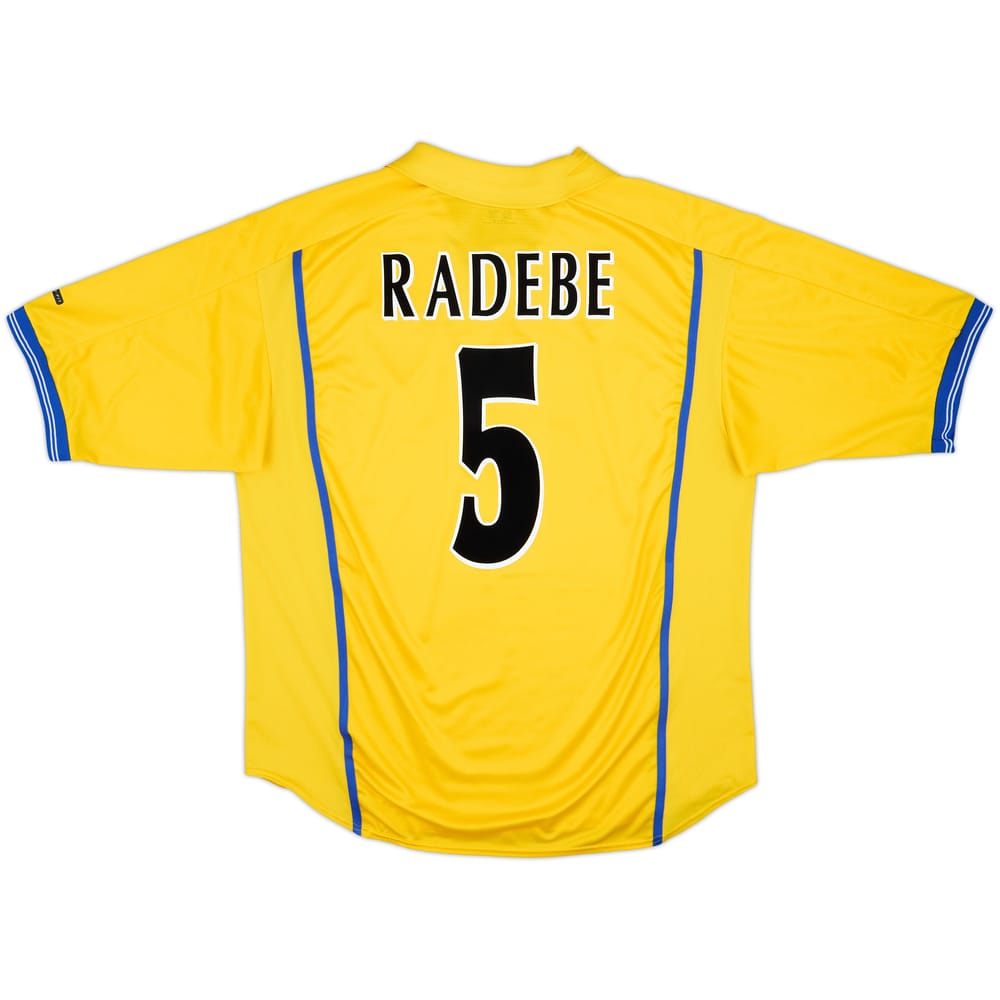
2000-02 Leeds United Away Shirt Radebe #5 - 8/10 - (XL)
209.99£ - ca: €248
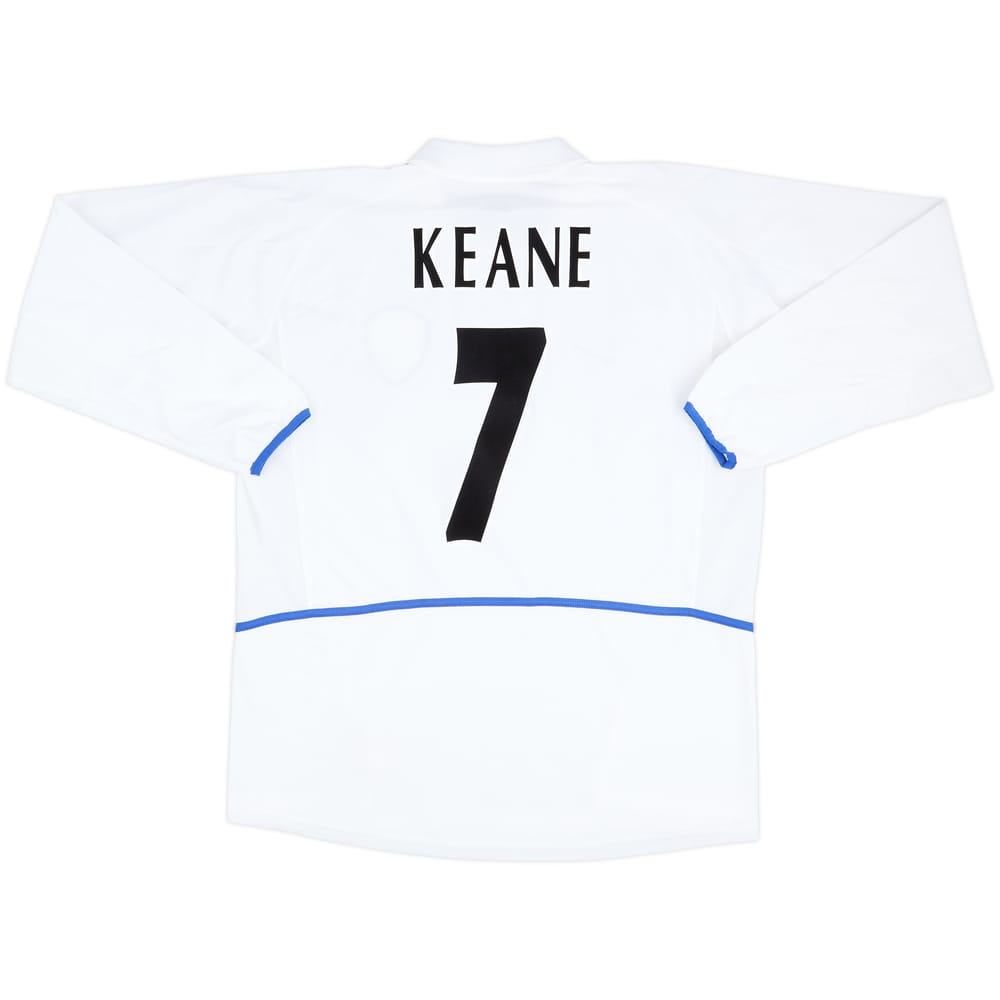
2002-03 Leeds United Home L/S Shirt Keane #7 - 10/10 - (XL)
209.99£ - ca: €248

1999-00 Leeds United Away Shirt Radebe #5 - 8/10 - (XL)
209.99£ - ca: €248

1997-99 Leeds United Away Shirt Radebe #5 - 6/10 - (L)
209.99£ - ca: €248
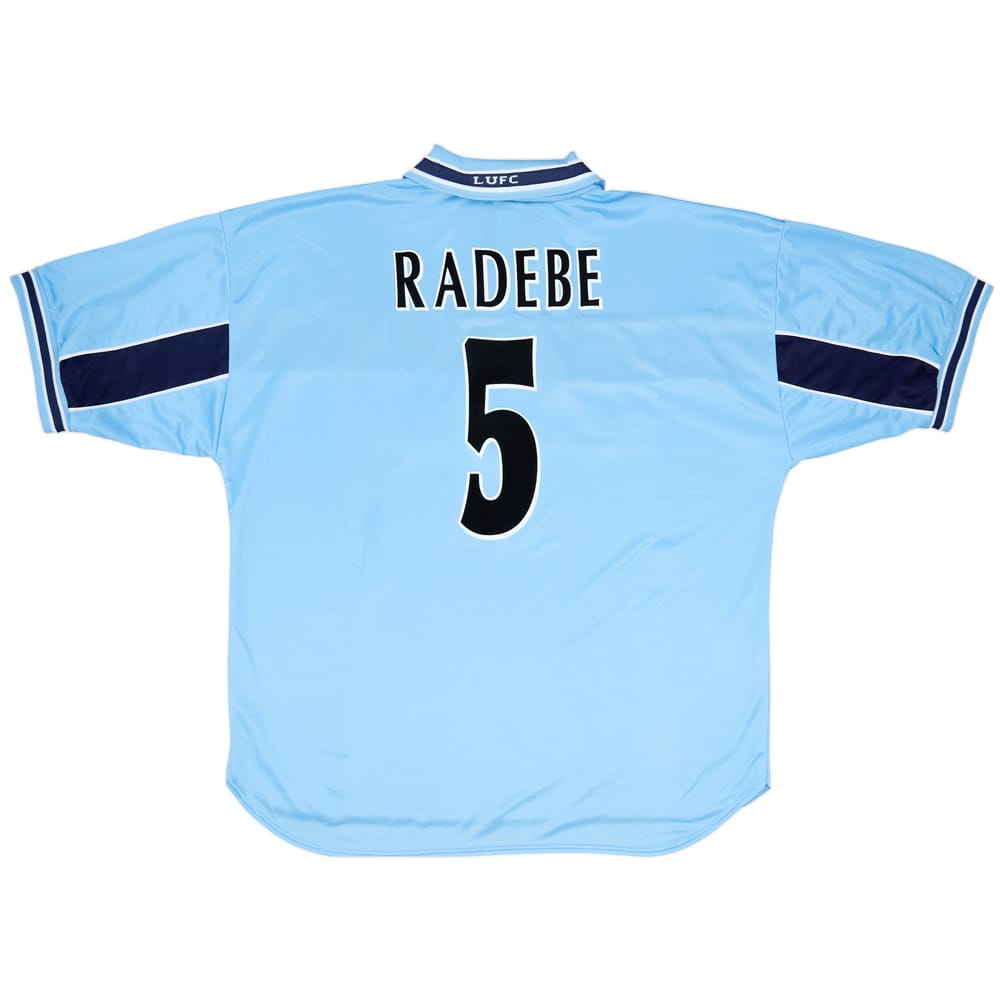
1999-00 Leeds United Away Shirt Radebe #5 - 8/10 - (XXL)
209.99£ - ca: €248

1995-96 Leeds United Home Shirt Radebe #5 - 8/10 - (S)
209.99£ - ca: €248

1990-91 Leeds United Home Shirt - 7/10 - (S)
209.99£ - ca: €248
Introduction
Leeds United Football Club, often simply known as Leeds, represents a storied and passionate football tradition in England. Founded in 1919, the club is based in Leeds, West Yorkshire, and is known for its fierce loyalty amongst supporters and a storied history that reflects the ups and downs of English football itself. Nicknamed “The Whites” due to their distinctive white kits, Leeds United has garnered a reputation for competitiveness, resilience, and an unwavering sense of community that resonates deeply with its fans.
Club History
Leeds United was established in the aftermath of World War I, initially as a successor to Leeds City FC, which was disbanded due to financial troubles. The club’s first season in the Football League was in 1920, and since then, it has undergone a remarkable evolution, both on and off the pitch. The late 1960s and early 1970s marked a golden era for Leeds under legendary manager Don Revie. Revie’s tactical innovation and emphasis on player fitness established Leeds as one of the powerhouses of English football. After a challenging period marked by relegation in the early 2000s, Leeds was relegated from the Premier League in 2004, entering a lengthy spell of decline, which included financial difficulties and eventual relegation to the third tier of English football.
Achievements
Leeds United boasts an impressive array of achievements that have solidified its place in football history. The club has won three English league titles, securing the First Division title in 1969, 1974, and 1992. The latter triumph came just before the establishment of the Premier League. Leeds has also enjoyed success in domestic cup competitions, winning the FA Cup in 1972 and the League Cup in 1968. Internationally, Leeds reached the pinnacle of European football by winning the UEFA Intercontinental Cup in 1975 and reaching the final of the UEFA Champions League (then known as the European Cup) in 1975, although they were controversially denied victory. More recently, Leeds was promoted back to the Premier League in 2020 after a 16-year absence, a monumental achievement that reignited the club’s historic rivalry with other top English clubs.
Significant Players and Matches
Throughout its history, Leeds United has been home to numerous iconic players who have left an indelible mark on the club and the sport. Among these legends are Don Revie’s star players such as Billy Bremner, who was the heartbeat of the team in the 1960s and 70s, and Gary Speed, a courageous midfielder whose career spanned two decades in top-flight football. More recent stars like Mark Viduka, who scored 72 goals for the club between 2000 and 2004, and midfielder Pablo Hernández, who played a key role in Leeds’ promotion in 2020, have continued the tradition of excellence. Landmark matches that resonate in the annals of Leeds history include the 1972 FA Cup final victory over Arsenal and the memorable 2020 play-off final win against Brentford, which secured their return to the Premier League after years of struggle.
Cultural Impact
Leeds United is more than just a football club; it is a vital part of local culture and identity in Yorkshire. The club enjoys a passionately devoted fanbase known for its unwavering support, both in victories and defeats. The famous Elland Road stadium, with a capacity of over 37,000, is a cathedral of football where passionate supporters create an electric atmosphere. Leeds fans, affectionately referred to as “Leeds faithful,” are known for their pride and loyalty, which further cements the club’s place in the social landscape of the area. The club’s anthem, “Marching on Together,” echoes throughout games, representing not only the unity of their supporters but also a broader sense of community and resilience. This cultural heritage contributes significantly to the local identity of Leeds, making it an integral part of Yorkshire’s rich tapestry.
Conclusion
Leeds United’s contributions to football history are numerous and profound, distinguishing the club as one of England’s most storied entities. With a rich heritage filled with famous players, memorable matches, and significant achievements, the club has earned its place among the elite of the sport. As Leeds United navigates the ongoing challenges of modern football, including financial management and competition in the Premier League, its historical legacy and passionate support base remain cornerstones of its identity. Whether through its exciting play on the pitch or its deep-rooted connection to the community, Leeds United continues to inspire, unite, and engage fans around the world, ensuring that its legacy endures for generations to come.
1 / 16
Advertising links: retro-football-shirt.com is an independent affiliate site. The buy links go to Classic Football Shirts, and we may earn a commission on purchases made through our links. The purchase is made at the retailer, where you will also find the current price, availability and terms of sale.