Northampton

1992-93 Northampton Away Shirt - 8/10 - (M)
239.99£ - ca: €283

1997-98 Northampton Centenary Home Shirt - 6/10 - (M)
149.99£ - ca: €177

2010-11 Northampton Town Match Issue Away Shirt Hall #3
119.99£ - ca: €142

1992-93 Northampton Home Shirt - 9/10 - (13-14 Years)
83.99£ - ca: €99

2015-16 Northampton Away Shirt - 10/10 - (XXL)
71.99£ - ca: €85

2000-02 Northampton Shot Hooded Rain Jacket - 10/10 - (XL)
71.99£ - ca: €85

2020-21 Northampton Away Shirt (L)
59.99£ - ca: €71

2022-23 Northampton Home Shirt - 8/10 - (S)
53.99£ - ca: €64

2024-25 Northampton Away Shirt - 9/10 - (M)
53.99£ - ca: €64

2020-21 Northampton Town Hummel Padded Bench Coat - 6/10 - (M)
53.99£ - ca: €64
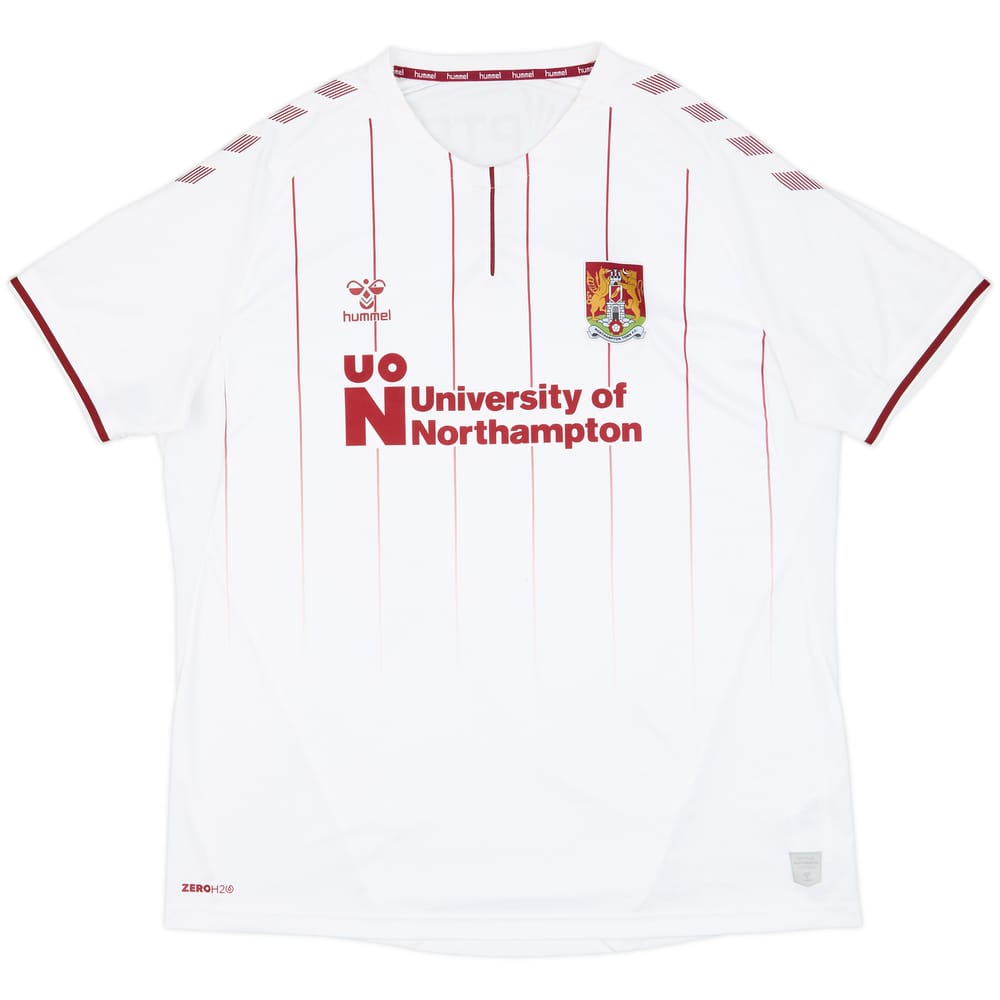
2020-21 Northampton Away Shirt - 8/10 - (3XL)
47.99£ - ca: €57

2022-23 Northampton Home Shirt - 6/10 - (S)
47.99£ - ca: €57

2001-03 Northampton Home Shirt Spedding #6 - 5/10 - (XL)
47.99£ - ca: €57

2016-17 Northampton Home Shirt - 6/10 - (M)
47.99£ - ca: €57

2019-20 Northampton Avec 1/4 Zip Drill Top - 8/10 - (XXL)
41.99£ - ca: €50

2018-20 Northampton Third Shirt - 6/10 - (M)
41.99£ - ca: €50

2020-21 Northampton Away Shirt - 6/10 - (S)
41.99£ - ca: €50

2020-21 Northampton Home Shirt - 8/10 - (L)
41.99£ - ca: €50

2014-15 Northampton Home Shorts (M)
35.99£ - ca: €42
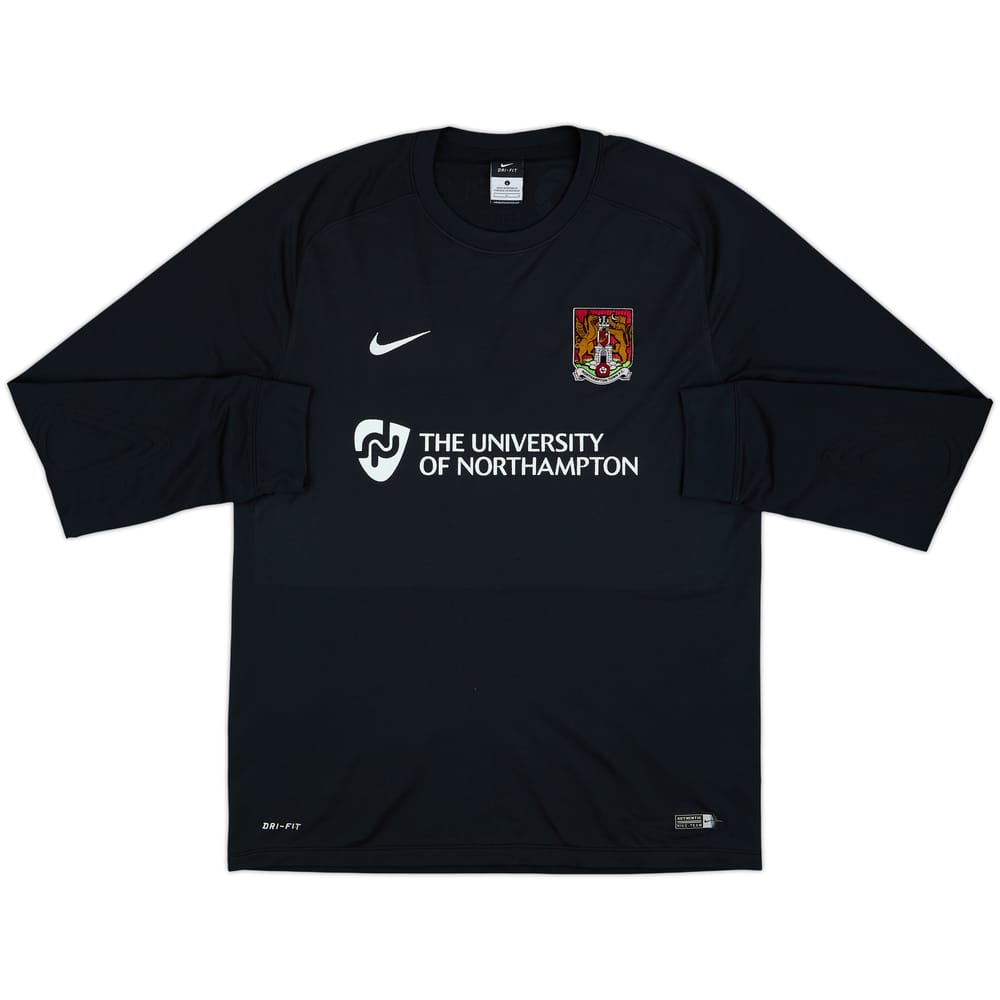
2017-18 Northampton GK Shirt - 6/10 - (L)
35.99£ - ca: €42

2020-21 Northampton Hummel 1/4 Zip Training Top - 7/10 - (S)
35.99£ - ca: €42

2023-24 Northampton Town Home Shirt - 8/10 - (XXL)
35.99£ - ca: €42

2016-17 Northampton Saints Macron 1/4 Zip Drill Top - 8/10 - (XXL)
35.99£ - ca: €42

2016-17 Northampton Home Shirt - 7/10 - (3XL)
35.99£ - ca: €42

2015-16 Northampton Home Shirt - 7/10 - (S)
35.99£ - ca: €42

2024-25 Northampton Home Shirt - 8/10 - (S)
35.99£ - ca: €42

2008-09 Northampton Home Shirt - 10/10 - (3-4 Years)
35.99£ - ca: €42

2014-15 Northampton Away Shorts (M)
35.99£ - ca: €42

2006-07 Northampton Town Away Shirt - 6/10 - (S)
35.99£ - ca: €42

2021-22 Northampton Town Women's Home Shirt - 9/10 - (S)
35.99£ - ca: €42

2020-21 Northampton Hummel Hooded Track Jacket - 7/10 - (S)
29.99£ - ca: €35

2012-13 Northampton Town Home Shorts #14 - 8/10 - (M)
29.99£ - ca: €35

2020-21 Northampton Hummel Training Shirt - 9/10 - (M)
29.99£ - ca: €35

2008-09 Northampton Home L/S Shirt (13-14 Years)
29.99£ - ca: €35

2020-21 Northampton Home Shirt - 8/10 - (15-16 Years)
29.99£ - ca: €35

2021-22 Northampton Hummel Training Shirt - 10/10 - (S)
29.99£ - ca: €35

2021-22 Northampton Town Hummel 1/4 Zip Drill Top - 8/10 - (M)
29.99£ - ca: €35

2020-21 Northampton Hummel Training Shirt - 8/10 - (M)
29.99£ - ca: €35

2018-19 Northampton Home Shirt - 8/10 - (13-15 Years)
23.99£ - ca: €28
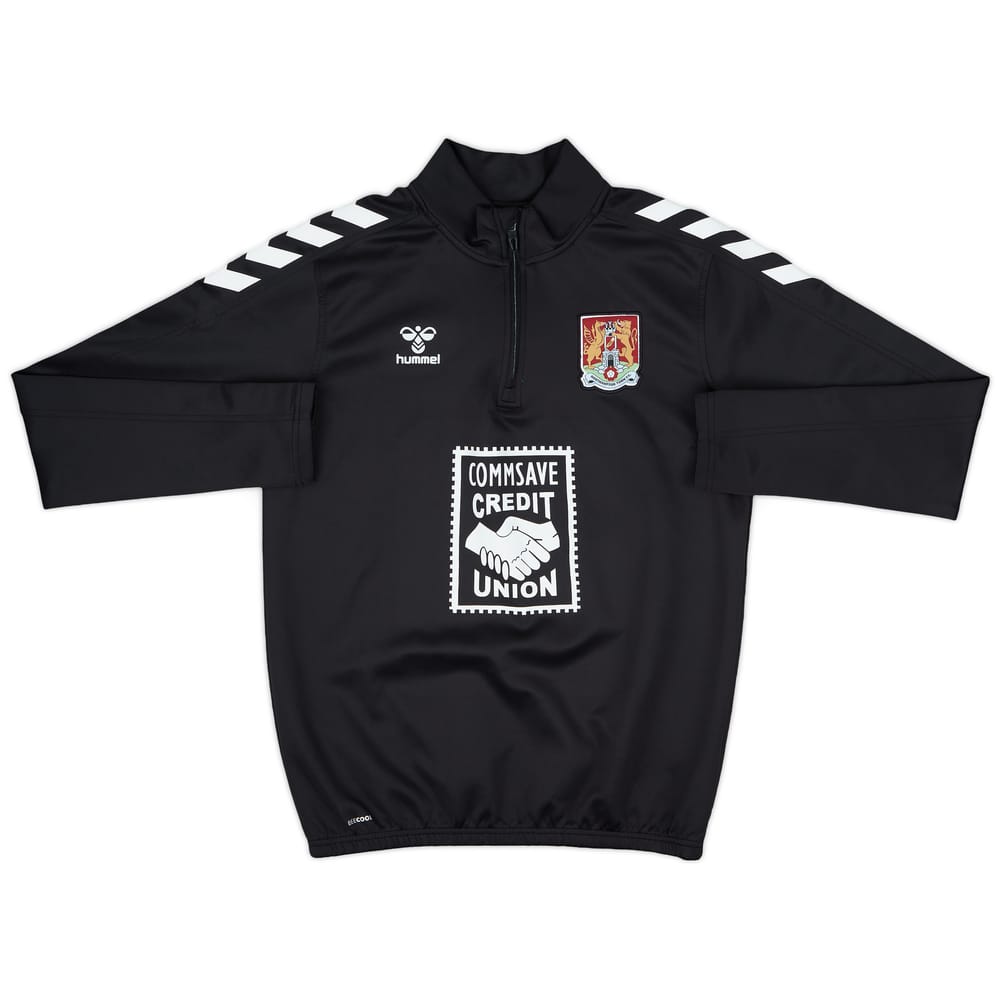
2021-22 Northampton Hummel 1/4 Zip Drill Top - 9/10 - (S)
23.99£ - ca: €28

2020-21 Northampton Avec Polo Shirt - 8/10 - (S)
23.99£ - ca: €28

2009-10 Northampton Town Errea Training Shorts - 9/10 - (S)
23.99£ - ca: €28
Introduction
Northampton Town Football Club, affectionately known as the “Cobblers,” is a professional football club based in Northampton, England. Founded in 1897, the Cobblers have a rich history that intertwines with the evolution of English football. Their nickname derives from the town’s historic association with shoemaking and cobbling, which was once a significant industry in the region. The Cobblers play their home matches at Sixfields Stadium, a modern facility that provides a fitting venue for their aspirations on the pitch.
Club History
Northampton Town FC was established in 1897, originally as Northampton Town Cricket Club’s football section. In 1900, the club became a fully independent entity. Throughout the early 20th century, they experienced fluctuating fortunes, playing in various leagues. Their adherence to local roots and community identity would set the tone for their culture and support. The club’s early years saw a breakthrough when they were elected to the Football League in 1920.
One of the key historical moments in Northampton’s history occurred in 1965 when they secured promotion to the Second Division for the first time. This accomplishment laid the groundwork for their notable rise in the lower divisions of English football. However, it wasn’t until the 1970s that the Cobblers truly made their mark, culminating in winning the Football League Trophy in 1981.
Achievements
Northampton Town’s trophy cabinet showcases a proud collection of achievements, both in domestic competitions and minor cup victories. Their prominent success came in 1970 when they won the Fourth Division title. This swift success granted them a pathway to the upper football tiers where their performances continued to intrigue fans. In 1981, they lifted the Football League Trophy and made a memorable mark on the English Football League system.
More recently, in 2016, they achieved a significant milestone by winning the League Two title, securing promotion to League One and marking their return to the higher echelons of English football. Their trip to the FA Cup Fourth Round in 2015 also stands out, creating a buzz as they faced the illustrious Manchester United at home.
Significant Players and Matches
Over the years, Northampton has been home to several notable players who have contributed significantly to the club’s legacy. One standout figure is the legendary striker Tommy McDonald, who played during the 1950s and 1960s, cementing his name in Cobblers folklore with a record of 164 goals in 305 appearances. Another key player to remember is the industrious midfielder Alan McCormack, who played a pivotal role during the club’s successful League Two campaign in 2015-2016.
There have been many significant matches that have encapsulated the spirit of Northampton Town. One such moment was the 1998 play-off final against Swansea City, which, although resulting in defeat, showcased the determination and resilience of the team. Another memorable game came in the 2003–04 season, when they defeated their bitter rivals, Peterborough United, in a thrilling contest that left fans buzzing and strengthened local rivalries.
Cultural Impact
Northampton Town FC holds a special place in the hearts of its local fanbase, which spans generations. The club’s rich history and communal ties create a palpable sense of identity among supporters. With a vibrant matchday atmosphere at Sixfields Stadium, fans come together to celebrate their team’s achievements, fostering a sense of unity and pride.
The Cobblers have also actively engaged with the community through initiatives aimed at supporting local charities and youth programs, further embedding the club’s identity within the town’s fabric. This commitment to local culture helps generate a loyal following, as generations of families pass down their support for the Cobblers, creating a rich heritage of fandom.
Conclusion
In conclusion, Northampton Town FC is more than just a football club; it is a cornerstone of the Northampton community. With a history spanning over 120 years, the Cobblers have carved out a legacy filled with notable achievements, memorable players, and significant matches. Their journey through the ups and downs of English football mirrors the story of resilience and dedication seen in many clubs. The cultural impact of Northampton Town resonates through its passionate fanbase and community initiatives, ensuring that the Cobblers will remain a beloved institution in English football history for generations to come.
1 / 2
Advertising links: retro-football-shirt.com is an independent affiliate site. The buy links go to Classic Football Shirts, and we may earn a commission on purchases made through our links. The purchase is made at the retailer, where you will also find the current price, availability and terms of sale.