Mallorca

2000-01 Mallorca Home Shirt - 10/10 - (XL)
179.99£ - ca: €212

2000-01 Mallorca Home Shirt F. Soler #15 - 6/10 - (L)
149.99£ - ca: €177

2013-14 Mallorca Match Issue Home Shirt Kevin #23
107.99£ - ca: €127

2006-07 Mallorca Real Sweat Top (XXL)
83.99£ - ca: €99

2007-08 Mallorca Real Track Jacket - 9/10 - (M)
83.99£ - ca: €99

2010-11 Mallorca Home '50 anys' Shirt - 6/10 - (XXL)
83.99£ - ca: €99

2007-08 Mallorca Real Rain Jacket (S)
83.99£ - ca: €99

1999-00 Mallorca Home Shirt - 5/10 - (L)
83.99£ - ca: €99

2018-19 Mallorca Away Shirt - 9/10 - (M)
71.99£ - ca: €85
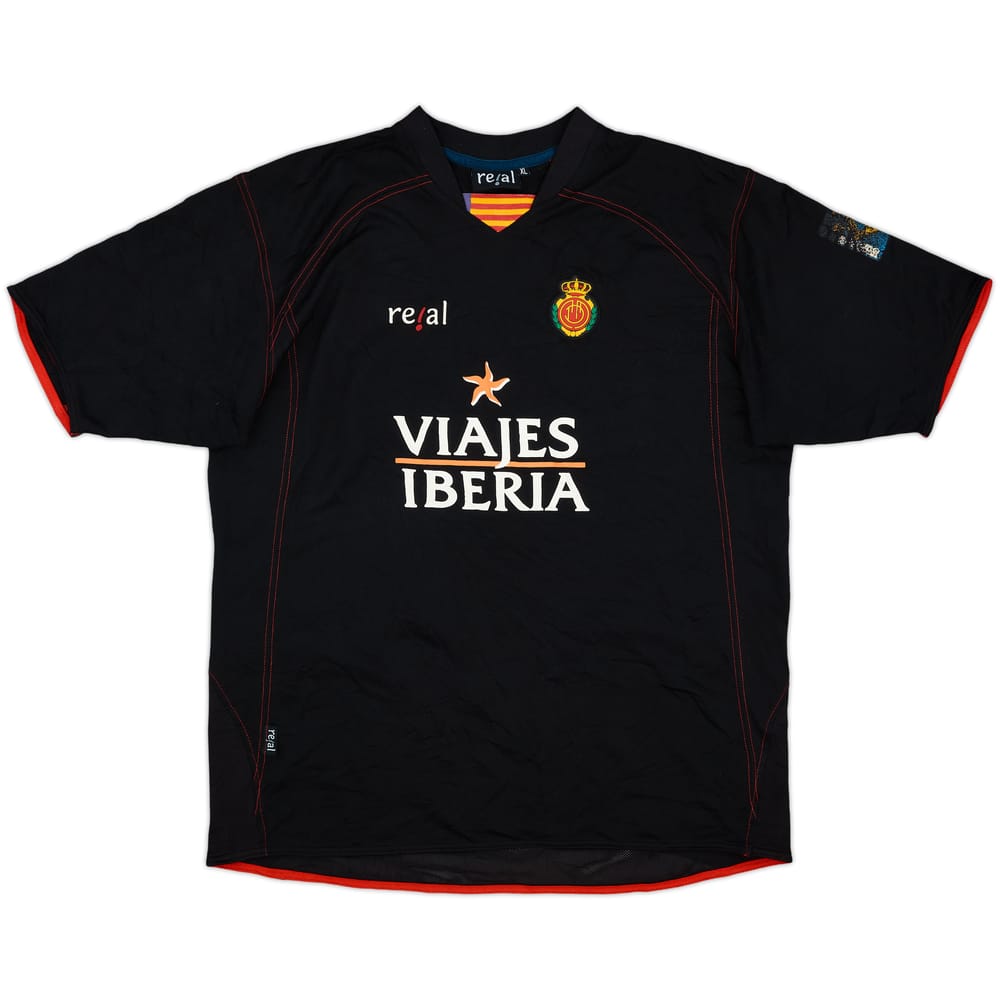
2006-07 Mallorca Away Shirt - 6/10 - (XL)
71.99£ - ca: €85

2003-05 Mallorca Home Shirt - 8/10 - (XL)
71.99£ - ca: €85

2006-07 Mallorca Real Sweat Top (S)
71.99£ - ca: €85

2006-07 Mallorca Real Sweat Top (XL)
71.99£ - ca: €85

2008-09 Mallorca Away Shirt - 9/10 - (M)
71.99£ - ca: €85

2003-05 Mallorca Home Shirt - 6/10 - (L)
59.99£ - ca: €71

2005-06 Mallorca Home Shirt - 8/10 - (S)
59.99£ - ca: €71
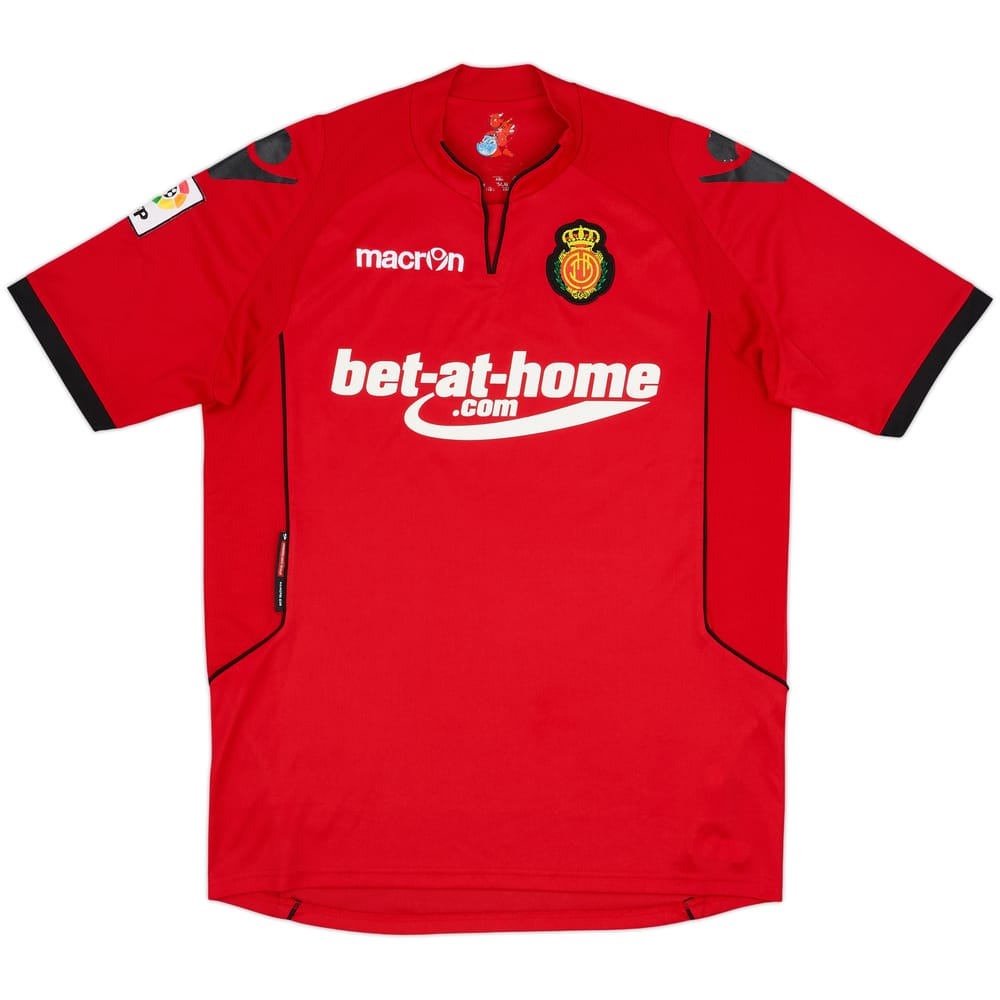
2011-12 Mallorca Home Shirt - 6/10 - (M)
59.99£ - ca: €71

2005-06 Mallorca Away Shirt - 7/10 - (XL)
59.99£ - ca: €71

2020-21 Mallorca Home Shirt - 10/10 - (S)
59.99£ - ca: €71

2005-06 Mallorca Third Shirt - 6/10 - (XL)
59.99£ - ca: €71
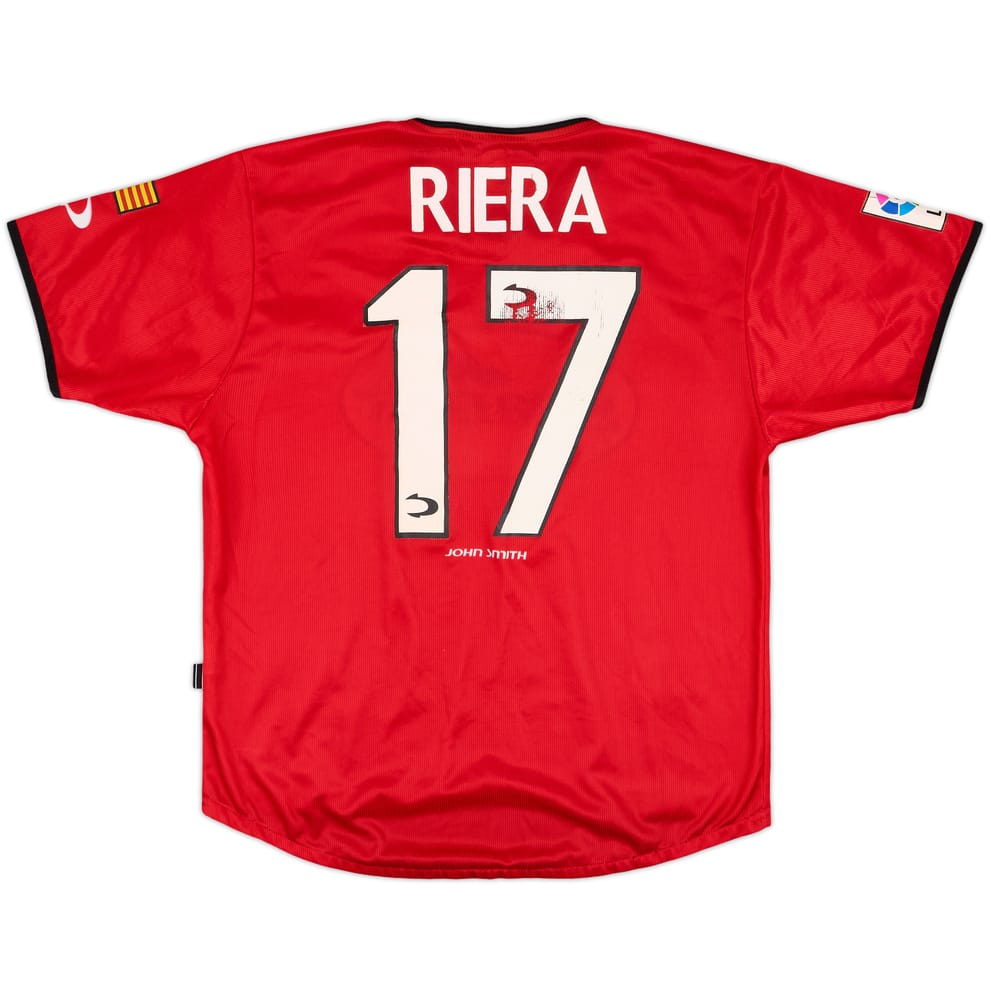
2000-01 Mallorca Home Shirt Riera #17 - 5/10 - (S)
59.99£ - ca: €71

2023-24 Mallorca Third Shirt - 10/10 - (XXL)
59.99£ - ca: €71

2004-05 Mallorca Away Shirt - 7/10 - (XL)
59.99£ - ca: €71

2023-24 Mallorca Home Shirt - 10/10 - (XXL)
59.99£ - ca: €71

2003-05 Mallorca Home Shirt - 8/10 - (S)
59.99£ - ca: €71

2013-14 Mallorca Home Shirt - 10/10 - (M)
59.99£ - ca: €71

2018-19 Mallorca Home Shirt (XL)
59.99£ - ca: €71

2017-18 Mallorca Third Shirt - 8/10 - (M)
53.99£ - ca: €64

2008-09 Mallorca Home Shirt Varela #7 - 5/10 - (L)
53.99£ - ca: €64

2023-24 Mallorca Home Shirt - 10/10 - (S)
53.99£ - ca: €64

2020-21 Mallorca Home Shirt (S)
53.99£ - ca: €64

2007-08 Mallorca Home Shirt - 6/10 - (XXL)
53.99£ - ca: €64

2000-02 Mallorca John Smith Training Shirt - 6/10 - (M)
53.99£ - ca: €64

2005-06 Mallorca Away Shirt - 6/10 - (S)
53.99£ - ca: €64

2006-07 Mallorca Third Shirt - 7/10 - (XL)
47.99£ - ca: €57

2006-07 Mallorca Third Shirt - 7/10 - (M)
47.99£ - ca: €57

2023-24 Mallorca Home Shirt - 9/10 - (S)
47.99£ - ca: €57

2017-18 Mallorca Third Shirt - 7/10 - (XXL)
47.99£ - ca: €57

2024-25 Real Mallorca Nike Track Jacket - 8/10 - (L)
47.99£ - ca: €57

2006-07 Mallorca Third Shirt - 10/10 - (Women's M)
47.99£ - ca: €57

2016-17 Real Mallorca Umbro 1/4 Zip Drill Top - 6/10 - (L)
41.99£ - ca: €50

2016-17 Mallorca Home Shirt - 7/10 - (M)
41.99£ - ca: €50
Introduction
Club Deportivo Mallorca, commonly referred to as Mallorca, is a professional football club based in Palma, the capital of the Balearic Islands in Spain. Founded in 1916, the club has carved out a unique identity, representative of the vibrant culture and passionate football atmosphere of the region. With its distinct red and black colors, Mallorca boasts a dedicated fanbase that has supported the team through thick and thin, making it an integral part of the local community and an essential element in the landscape of Spanish football.
Club History
Founded on March 5, 1916, as the “Mallorca Football Club,” the team’s early days were characterized by participation in regional tournaments, primarily within the Balearic Islands. In 1929, Mallorca became one of the founding members of the newly-established La Liga, marking its entry into the top tier of Spanish football. Over the decades, Mallorca has experienced various highs and lows, including relegations and promotions. The most significant moment in its history came in the late 1990s when the club established itself in La Liga and gained recognition far beyond the Meditteranean islands.
In terms of home ground, the club has played its matches at the Estadi de Son Moix since 1999, which has a current seating capacity of over 23,000. This modern stadium has become a fortress for the club and reflects the loyalty of Mallorca’s supporters.
Achievements
Throughout its history, Mallorca has achieved considerable success both domestically and internationally. The pinnacle of the club’s achievements came in 1999 when they reached the final of the Copa del Rey, securing the trophy after defeating the Athletic Bilbao with a score of 1-0. This victory remains one of the defining moments in the club’s history and showcases Mallorca’s capabilities in knockout competitions.
In addition to their Copa del Rey triumph, the club made an impressive run in the UEFA Cup in the 1998-1999 season, where they reached the semi-finals before falling to the eventual champions, Parma. This marked Mallorca as a notable competitor on the European stage, elevating its profile in global football. In total, Mallorca has spent significant periods in both La Liga and its lower tiers, demonstrating resilience through promotions and relegations in its quest for stability and success.
Significant Players and Matches
Over the years, Mallorca has been home to several legendary players who have made remarkable contributions to the club’s success. Notable figures include Spanish internationals like Samuel Eto’o and Dani García. Eto’o, who began his career at Mallorca, not only made a significant impact by scoring crucial goals but eventually became one of the most celebrated strikers in the world. Another legendary figure was Ricardo Pereira, who was pivotal during some of the club’s most successful periods in the late 1990s and early 2000s.
One of the landmark matches in the club’s history occurred on April 28, 2001, when Mallorca faced Deportivo La Coruña in the final of the Copa del Rey. The match ended with a spectacular 1-0 victory for Mallorca, cementing their place in Spanish football history. This match is remembered not only for the trophy but also for the way it encapsulated the club’s spirit and determination to succeed against the odds.
Cultural Impact
Beyond its achievements on the pitch, Mallorca enjoys a robust cultural impact on the local community in Palma and across the Balearic Islands. The identity of the team is deeply intertwined with the community, and match days are significant social events where fans gather to support their team fiercely. The club acts as a unifying force, bringing together people from various backgrounds with a shared passion for football. The supporters, known as “Los Vermellones,” exemplify loyalty, creating an electrifying atmosphere at home matches while also engaging with the team’s activities off the pitch.
Moreover, Mallorca’s commitment to youth development through its academy reflects its dedication to fostering local talent. Many of the club’s youth prospects have successfully transitioned to the first team, enhancing community ties and ensuring a sustainable future for Mallorca in Spanish football.
Conclusion
Club Deportivo Mallorca stands as a testament to the passionate spirit of football in Spain. With a rich history spanning over a century, notable achievements, and a strong connection with its supporters, Mallorca continues to be an essential part of the footballing landscape. From its humble beginnings to its successful exploits in both domestic and international competitions, Mallorca remains a symbol of resilience and community pride. As the club continues to evolve, it holds a significant place in football history, embodying the essence of sporting passion that defines the great game.
1 / 2
Advertising links: retro-football-shirt.com is an independent affiliate site. The buy links go to Classic Football Shirts, and we may earn a commission on purchases made through our links. The purchase is made at the retailer, where you will also find the current price, availability and terms of sale.