Derby County
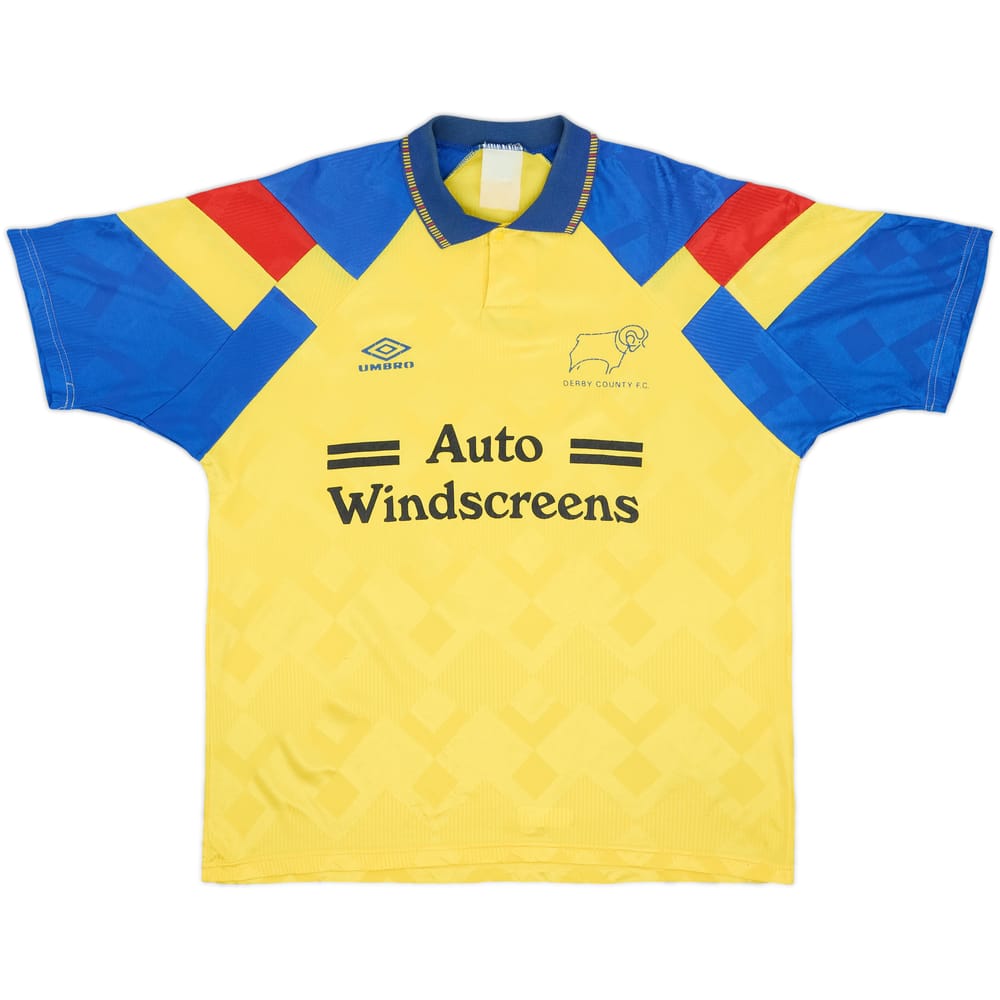
1991-92 Derby County Third Shirt - 8/10 - (L/XL)
299.99£ - ca: €354

1991-93 Derby County Home Shirt - 8/10 - (M)
239.99£ - ca: €283

1989-91 Derby County Home Shirt - 8/10 - (L)
239.99£ - ca: €283

1993-95 Derby County Away Shirt - 7/10 - (XL)
239.99£ - ca: €283

1991-92 Derby County Third Shirt - 8/10 - (XL)
239.99£ - ca: €283

1991-92 Derby County Third Shirt - 8/10 - (XXL)
239.99£ - ca: €283

1991-93 Derby County Home Shirt - 9/10 - (L)
239.99£ - ca: €283

1997-98 Derby County GK Shirt - 6/10 - (L)
209.99£ - ca: €248

1991-93 Derby County Home Shirt - 6/10 - (XL)
209.99£ - ca: €248

1997-98 Derby County Away Shirt Wanchope #9 - 6/10 - (XL)
209.99£ - ca: €248

1993-94 Derby County Home Shirt - 8/10 - (XL)
209.99£ - ca: €248

1999-01 Derby County Match Issue Away Shirt #5
179.99£ - ca: €212

2025-26 Derby County Match Issue Home Shirt Brewster #10
179.99£ - ca: €212

1995-96 Derby County Away Shirt - 6/10 - (XL)
179.99£ - ca: €212

1999-01 Derby County Home Shirt Riggott #21 - 8/10 - (L)
179.99£ - ca: €212

2025-26 Derby County Match Issue Home Shirt Nelson #35
179.99£ - ca: €212

1999-01 Derby County Away Shirt - 8/10 - (S)
179.99£ - ca: €212

1999-01 Derby County Home L/S Shirt Johnson #7 - 5/10 - (S)
149.99£ - ca: €177

1999-01 Derby County Home Shirt - 6/10 - (XL)
149.99£ - ca: €177

1991-93 Derby County Home Shirt - 6/10 - (XL)
149.99£ - ca: €177
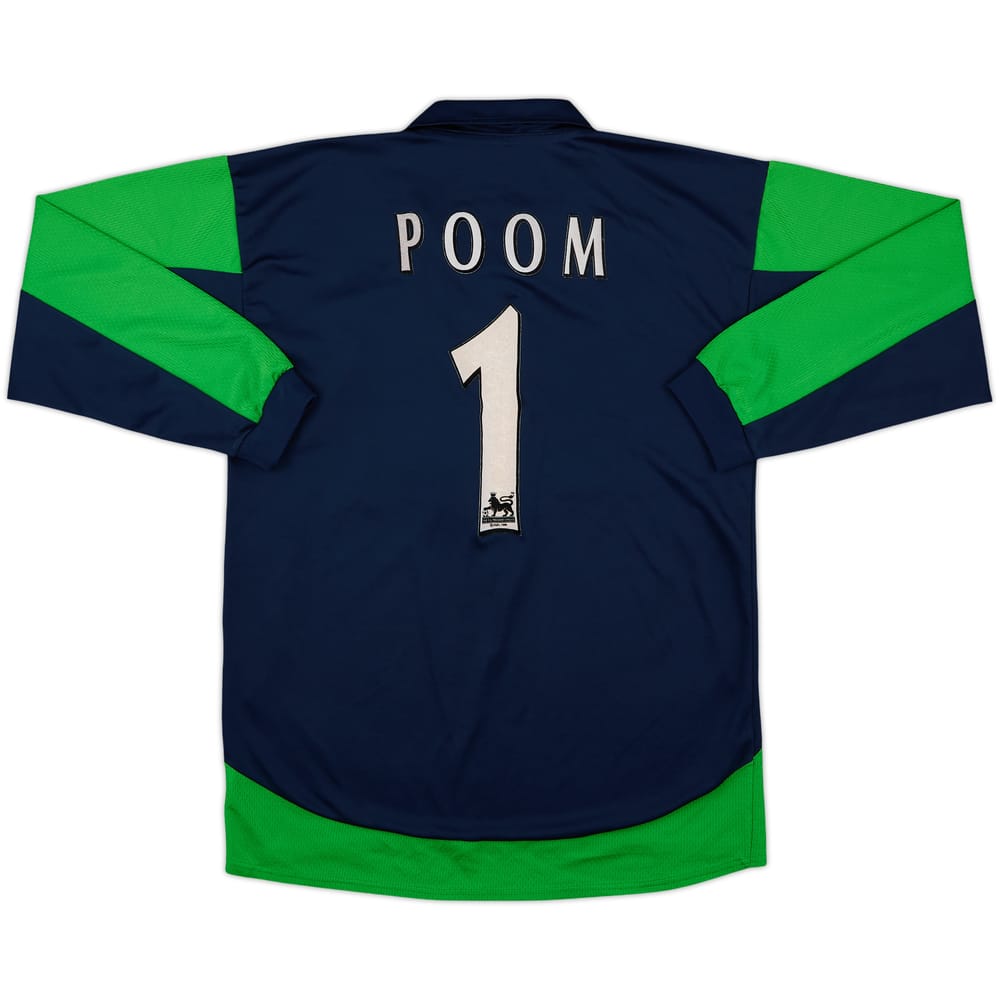
1999-00 Derby County GK Shirt Poom #1 - 7/10 - (S)
149.99£ - ca: €177

1989-91 Derby County Home Shirt - 8/10 - (S)
119.99£ - ca: €142

2019-20 Derby County Away Shirt Rooney #32 (S)
119.99£ - ca: €142

1999-01 Derby County Home Shirt Kinkladze #10 - 5/10 - (XXL)
119.99£ - ca: €142

2018-19 Derby County Third Shirt Cole #26 - 10/10 - (L)
107.99£ - ca: €127

1999-01 Derby County Away Shirt - 8/10 - (15-16 Years)
107.99£ - ca: €127

1997-98 Derby County Away Shirt - 9/10 - (15-16 Years)
107.99£ - ca: €127

1999-01 Derby County Away Shirt - 6/10 - (15-16 Years)
95.99£ - ca: €113

2001-02 Derby County Home L/S Shirt Carbone #7 - 5/10 - (S)
95.99£ - ca: €113

1999-00 Derby County GK Shirt - 5/10 - (S)
95.99£ - ca: €113

2001-03 Derby County GK Shirt - 7/10 - (XXL)
95.99£ - ca: €113

2020-21 Derby County Home Shirt Rooney #32 - 6/10 - (XXL)
95.99£ - ca: €113

1997-98 Derby County GK Shirt - 9/10 - (15-16 Years)
95.99£ - ca: €113

2007-08 Derby County Home Shirt - 9/10 - (XXL)
83.99£ - ca: €99

2005-06 Derby County Away Shirt - 8/10 - (XL)
83.99£ - ca: €99

2010-11 Derby County adidas Padded Bench Coat - 10/10 - (M)
83.99£ - ca: €99

2019-20 Derby County Away Shirt Rooney #32 - 6/10 - (XL)
71.99£ - ca: €85

2007-08 Derby County Home Shirt - 6/10 - (L)
71.99£ - ca: €85

1999-01 Derby County Away Shirt - 8/10 - (13-14 Years)
71.99£ - ca: €85

2012-13 Derby County Third Shirt Hughes #19 - 9/10 - (S)
71.99£ - ca: €85

2007-08 Derby County Home Shirt - 6/10 - (XXL)
71.99£ - ca: €85

2017-18 Derby County Home Shirt (S)
59.99£ - ca: €71
Introduction
Derby County Football Club, commonly known as the Rams, carries a rich legacy in English football, marked by passion, resilience, and a proud history. Founded in 1884, the club originated from the city’s local cricket team, which decided to establish a football team during the sport’s burgeoning popularity. Based in the heart of England, in the city of Derby, the club boasts a loyal fan base and a distinct identity characterized by its black and white colors. Over the years, Derby County has not only made a significant mark within the English Football League but has also developed a reputation for youthful talent and competitive spirit.
Club History
Derby County was founded on February 5, 1884. The club first played in the English Football League in 1888, making it one of the founding members of the league. Early years were characterized by fluctuating fortunes, but notable progress began to surface in the early 20th century, with the club winning its first FA Cup in 1946. The 1960s and 1970s were particularly transformative for Derby County; under the management of the legendary Brian Clough and his assistant, Peter Taylor, the club achieved its first major league success, winning the Football League title in 1972. They followed this with memorable moments in European competitions, marking their establishment as a formidable force.
Achievements
Derby County’s cabinet displays several prestigious honors. They have won the Football League Championship (now known as the EFL Championship) in 1972 and 1975, securing promotion to the First Division. Their most remarkable achievement came during the 1972-73 season when they captured their first and only FA Cup. Derby also made their mark in Europe, reaching the semi-finals of the European Cup during the 1972-73 season. Another critical achievement includes winning the Division Two title in the 1986-87 season, showcasing their resilience and ability to bounce back from lower divisions. Collectively, these accomplishments highlight Derby County’s prominent place in English football history.
Significant Players and Matches
Throughout its history, Derby County has been home to several iconic players who have left an indelible mark on the club. Legendary figures like Clough, Taylor, and players such as Kevin Hector and Roy McFarland played critical roles in bringing success to the club during the 1970s. More recently, players like Jamie Vardy, a product of the club’s youth academy, rose through the ranks before achieving global fame with Leicester City. The club has witnessed many significant matches, but few rival the 1975 FA Cup Final against West Ham United; Derby’s 1972 Championship-winning match against PNE at Deepdale also stands as a memorable milestone that secured their standing at the pinnacle of English football.
Cultural Impact
Derby County’s influence extends beyond the pitch, deeply embedding itself within the local community and culture. Known for their passionate fanfare, the Rams boast a dedicated following whose loyalty transcends generations. Pride Park Stadium, opened in 1997, serves as the club’s home ground and a landmark in Derby, attracting thousands of spectators every matchday. The club is a vital part of the local identity, with various community outreach programs aimed at youth engagement, health, and well-being. The rivalry with Nottingham Forest, known as the East Midlands Derby, adds to the cultural fabric, drawing in fierce competition and camaraderie from fans on both sides.
Conclusion
In summary, Derby County Football Club holds a significant place in English football history, characterized by a wealth of achievements, a rich heritage, and an impact that resonates across generations. Despite facing challenges, the Rams continue to embody the spirit of determination and pride, making them a beloved institution among local supporters and football lovers alike. As the club aims for future successes, its history remains a testament to the passion and perseverance that define Derby County—an enduring legacy in the beautiful game.
1 / 5
Advertising links: retro-football-shirt.com is an independent affiliate site. The buy links go to Classic Football Shirts, and we may earn a commission on purchases made through our links. The purchase is made at the retailer, where you will also find the current price, availability and terms of sale.