Wigan Athletic

2017-18 Wigan Athletic Puma Hooded Rain Jacket - 10/10 - (M)
59.99£ - ca: €71

2015-16 Wigan Athletic Match Issue Home Shirt #19
59.99£ - ca: €71

2017-18 Wigan Athletic Puma Hooded Rain Jacket - 8/10 - (S)
53.99£ - ca: €64

2017-18 Wigan Athletic Puma Hooded Rain Jacket - 6/10 - (M)
47.99£ - ca: €57

2007-08 Wigan Athletic Third L/S Shirt - 9/10 - (14-15 Years)
41.99£ - ca: €50

2020-21 Wigan Athletic Puma Polo Shirt (S)
35.99£ - ca: €42

2019-20 Wigan Athletic Puma Track Jacket - 8/10 - (S)
35.99£ - ca: €42

2019-20 Wigan Athletic Puma Training Shirt - 9/10 - (XL)
29.99£ - ca: €35

2022-23 Wigan Athletic Puma Training Shirt - 10/10 - (XL)
29.99£ - ca: €35

2021-22 Wigan Athletic Third Shirt - 5/10 - (L)
29.99£ - ca: €35

2022-23 Wigan Athletic Puma Cotton Shirt - 9/10 - (M)
23.99£ - ca: €28
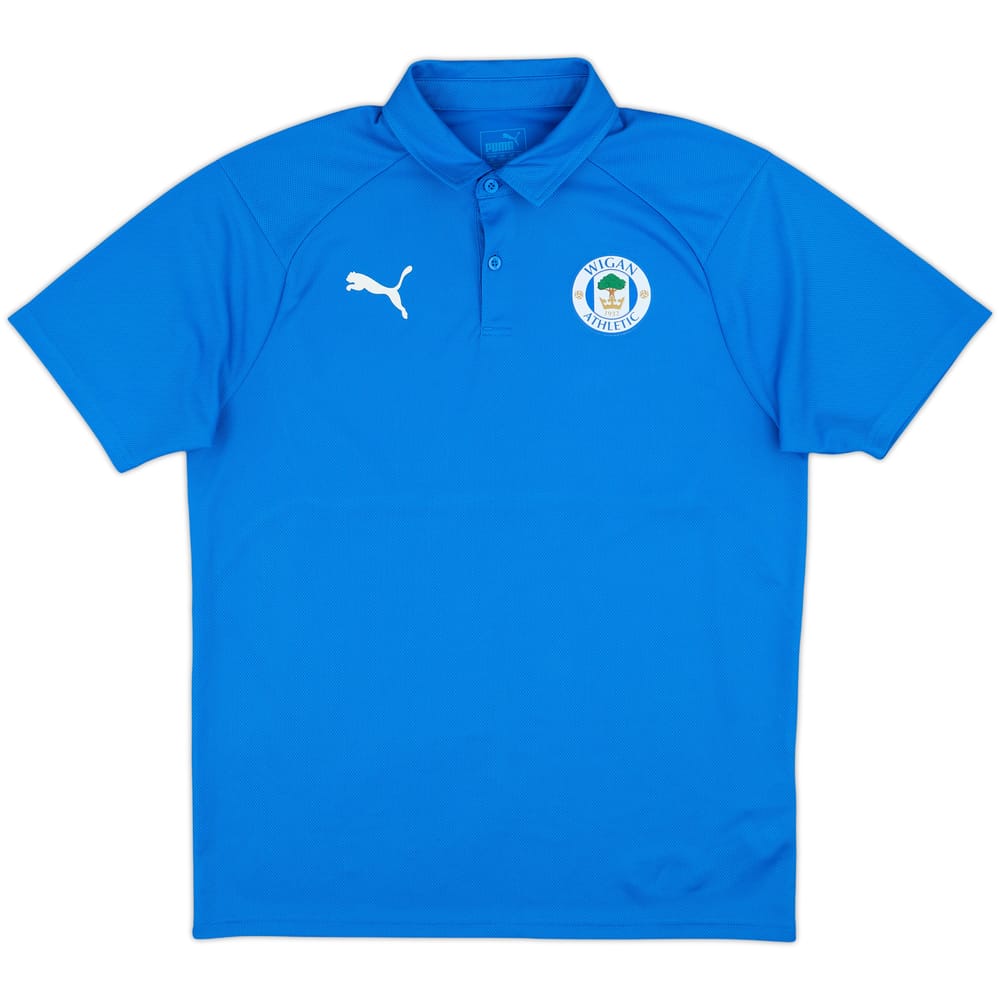
2019-20 Wigan Athletic Puma Polo Shirt - 8/10 - (L)
23.99£ - ca: €28

2010-11 Wigan Athletic Mi-Fit Training Shirt - 7/10 - (14-15 Years)
17.99£ - ca: €21

2024-25 Wigan Athletic Puma Training Shirt - 8/10 - (S)
17.99£ - ca: €21


2013-14 Wigan Athletic European Name Set
5.99£ - ca: €7
Introduction
Wigan Athletic Football Club, often referred to as “Wigan,” is a storied football club based in the town of Wigan, Greater Manchester, England. Established in 1932, the club has carved out a unique identity within English football, characterized by its fighting spirit, community-oriented ethos, and an indomitable presence in both the Football League and the Premier League. The club’s colors, blue and white, are a reflection of its proud heritage, while its home ground, the DW Stadium, stands as a modern fortress for its passionate fanbase.
Club History
Wigan Athletic was founded in 1932 as a response to the absence of a professional football team in the town. Initially playing in the lower tiers of the English football league system, the club quickly established itself as a local favorite. It made its breakthrough in 1978 by achieving promotion to the Football League Third Division. This period marked the turning point for Wigan, as the club steadily climbed up the ranks. The club’s first significant rise came in the 1980s when it reached the Second Division, but it wasn’t until the late 1990s and early 2000s that Wigan Athletic entered a period of unprecedented success. In 2003, under then-manager Paul Jewell, Wigan secured promotion to the Premier League for the first time in the club’s history. This achievement was monumental, and it laid the groundwork for the club’s future aspirations.
Achievements
Wigan Athletic’s journey through English football has been marked by several notable achievements. The club’s most significant triumph came in the 2012-2013 season when it lifted the FA Cup. This historic victory was particularly remarkable as Wigan defeated Manchester City 1-0 in the final held at Wembley Stadium. The match witnessed a stunning late goal from Ben Watson, sending shockwaves through the football community and making Wigan the first team to win the FA Cup while being relegated from the Premier League in the same season.
In addition to the FA Cup, Wigan Athletic has made an impact in various other competitions. The club has been part of the EFL Championship, where it has had multiple stints since its first relegation from the Premier League in 2013. Furthermore, the Latics’ victory in the Football League Trophy in 1985 established them as contenders in cup competitions, showcasing their ability to compete against some of the top clubs in English football.
Significant Players and Matches
Over the years, Wigan Athletic has been home to several notable players who have left an indelible mark on the club’s history. One of the most iconic figures is Roberto Martinez, a Spaniard who not only played for the club but later went on to manage and transform it, guiding Wigan to their FA Cup success. Other significant players include the likes of Emile Heskey, who was pivotal during his time at the club, and Sir Alex Ferguson’s famed Manchester United youth product, Jordi Gomez, known for his creativity in midfield.
Wigan Athletic has also been involved in many landmark matches that resonate with fans. The FA Cup final in 2013 will forever be etched in the club’s history as it marked the pinnacle of Wigan’s achievements. Another memorable match occurred in 2005 when Wigan achieved a significant 3-0 victory over Arsenal, a result that established them as genuine contenders in the Premier League. These moments have defined the club’s legacy and contributed to a rich tapestry of football history.
Cultural Impact
Wigan Athletic is more than just a football club; it is a cornerstone of the local community. The club represents the pride and resilience of Wigan, fostering a deep connection with its fanbase. Home matches at the DW Stadium provide an electric atmosphere, as supporters come together in unison to cheer on their team. This local support is not merely about attending matches; it is a reflection of a communal spirit that unites people from various walks of life.
Moreover, Wigan Athletic has engaged in various community initiatives, focusing on local youth coaching and fostering a love for football within the area. The club’s foundation, Wigan Athletic Community Trust, plays a pivotal role in promoting sports and health within the community, highlighting the club’s commitment to impacting lives beyond just the football pitch.
Conclusion
In conclusion, Wigan Athletic FC holds a special place in the annals of football history, known for its vibrant community, significant achievements, and memorable players and matches. The club’s journey from humble beginnings to FA Cup glory encapsulates the essence of the sport—a blend of tenacity, determination, and a sense of belonging. While Wigan may not have the richest history compared to some giants of the game, it embodies the spirit of English football and continues to inspire a new generation of supporters. With each match played, Wigan Athletic reinforces its legacy, leaving a lasting impression in the landscape of English football.
Advertising links: retro-football-shirt.com is an independent affiliate site. The buy links go to Classic Football Shirts, and we may earn a commission on purchases made through our links. The purchase is made at the retailer, where you will also find the current price, availability and terms of sale.