Portsmouth

1994-95 Portsmouth Match Issue Third Shirt #15
419.99£ - ca: €496
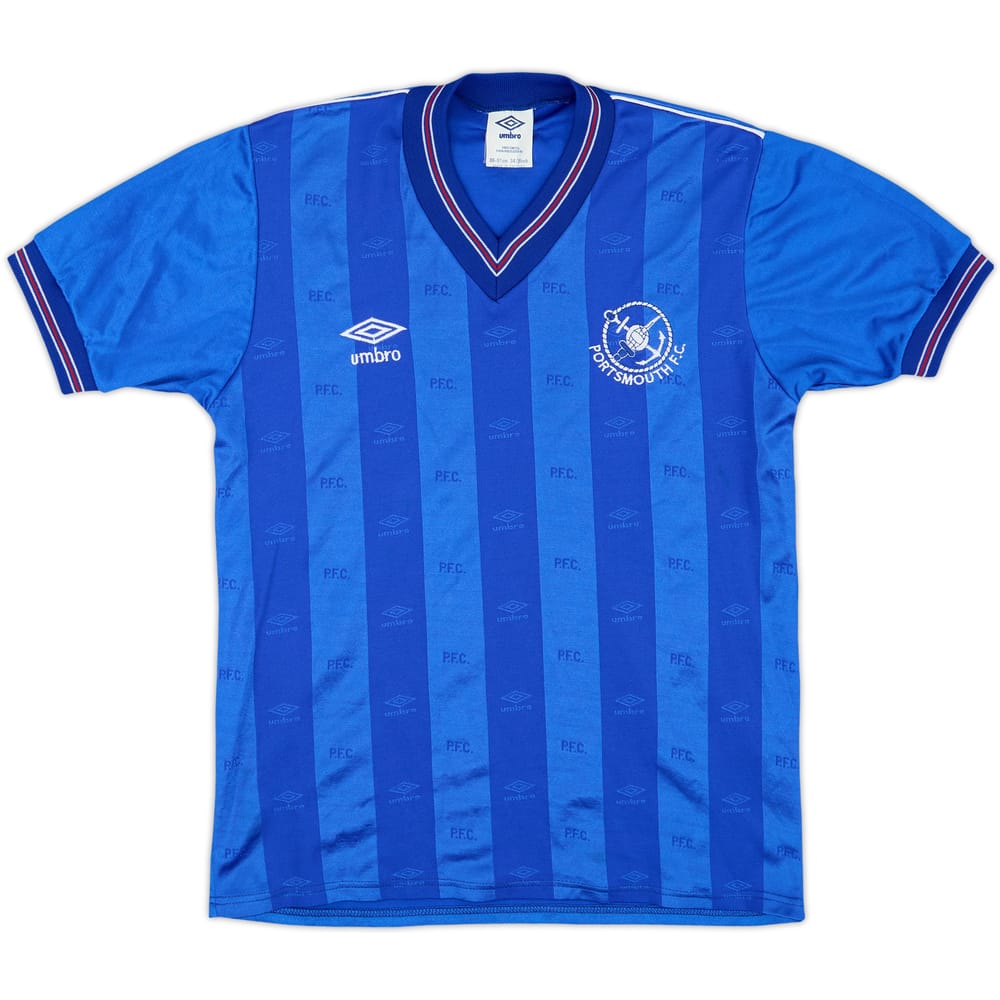
1983-85 Portsmouth Home Shirt - 10/10 - (S)
359.99£ - ca: €425

1995-96 Portsmouth Match Issue Home Shirt #7
359.99£ - ca: €425

1991-93 Portsmouth Away Shirt - 8/10 - (M)
299.99£ - ca: €354
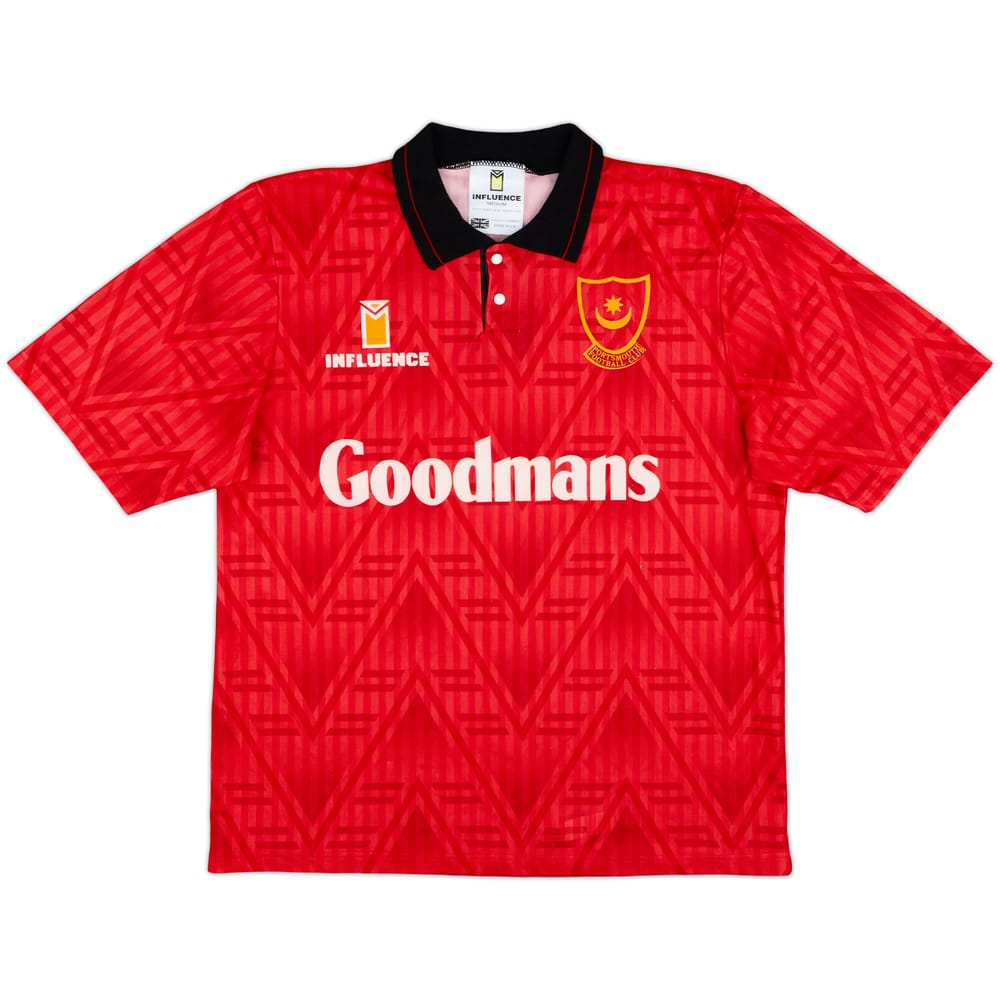
1991-93 Portsmouth Away Shirt - 9/10 - (M)
299.99£ - ca: €354

1985-87 Portsmouth Home Shirt - 9/10 - (S)
299.99£ - ca: €354

2007-08 Portsmouth Third Shirt Kanu #27 (XL)
239.99£ - ca: €283

1985-87 Portsmouth Away Shirt - 7/10 - (M)
239.99£ - ca: €283

1991-93 Portsmouth Home Shirt - 8/10 - (L)
239.99£ - ca: €283

2003-05 Portsmouth Home Shirt Yakubu #20 (XXL)
239.99£ - ca: €283

1995-97 Portsmouth Home Shirt - 9/10 - (L)
209.99£ - ca: €248

2008-09 Portsmouth Away Shirt Kanu #27 (XL)
209.99£ - ca: €248

1993-95 Portsmouth Away Shirt - 8/10 - (M)
209.99£ - ca: €248

2008-09 Portsmouth Home Shirt Kanu #27 (M)
209.99£ - ca: €248
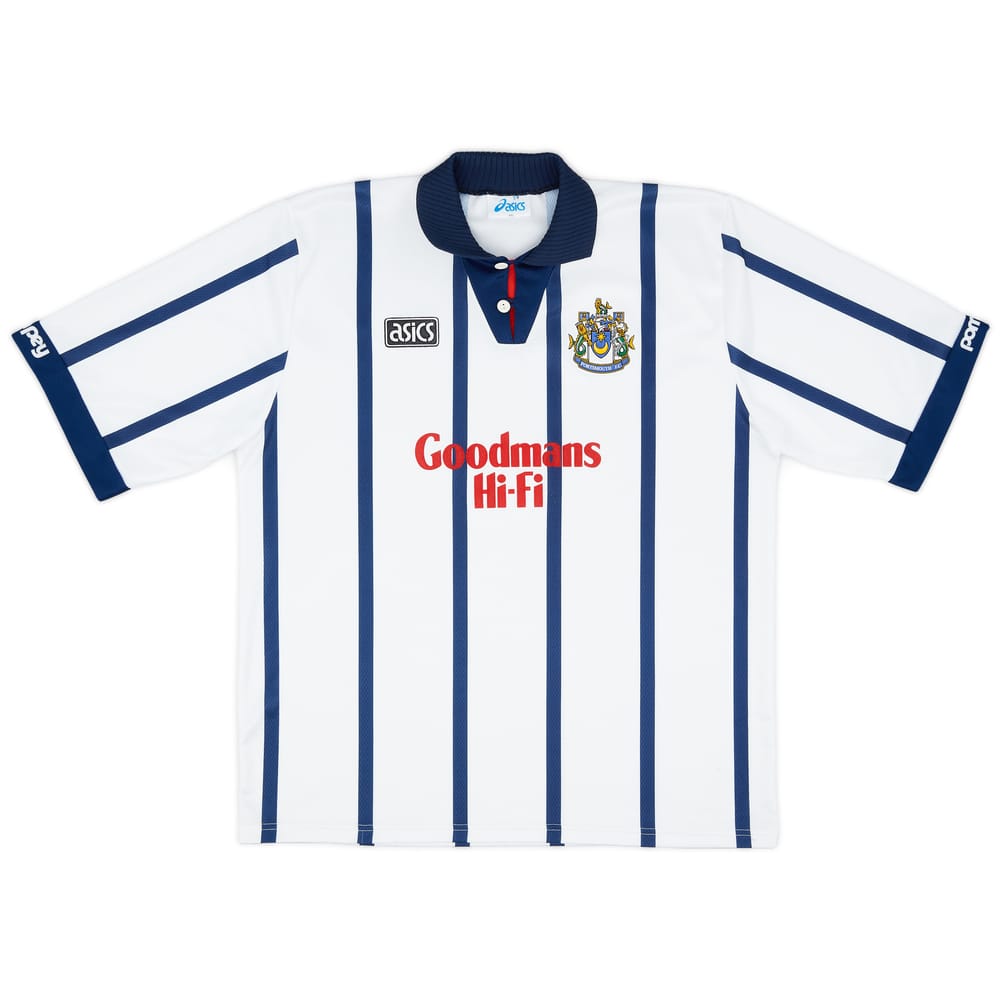
1994-95 Portsmouth Third Shirt - 9/10 - (XXL)
209.99£ - ca: €248

2025-26 Portsmouth Match Worn Third Shirt Williams #2
179.99£ - ca: €212

1995-97 Portsmouth Away Shirt - 9/10 - (XXL)
179.99£ - ca: €212

1999-00 Portsmouth Match Issue Home Shirt Waterman #18
179.99£ - ca: €212

1995-97 Portsmouth Home Shirt - 8/10 - (S)
179.99£ - ca: €212

2025-26 Portsmouth Match Worn Third Shirt Knight #4
179.99£ - ca: €212

1991-93 Portsmouth Home Shirt - 6/10 - (S)
179.99£ - ca: €212

1993-95 Portsmouth Away Shirt - 6/10 - (M)
149.99£ - ca: €177

1993-95 Portsmouth Away Shirt - 7/10 - (XL)
149.99£ - ca: €177

1997-99 Portsmouth Home Shirt - 8/10 - (L)
149.99£ - ca: €177

1995-97 Portsmouth Third Shirt - 6/10 - (S)
149.99£ - ca: €177

2003-05 Portsmouth Home Shirt Berger #23 - 8/10 - (XXL)
149.99£ - ca: €177

2002-03 Portsmouth Away Shirt - 8/10 - (XXL)
149.99£ - ca: €177

2003-04 Portsmouth Away Shirt Berger #23 - 10/10 - (L)
149.99£ - ca: €177

1993-95 Portsmouth Away Shirt - 8/10 - (S)
149.99£ - ca: €177

2003-05 Portsmouth Home Shirt Berger #23 - 8/10 - (XXL)
149.99£ - ca: €177

2002-04 Portsmouth Third Shirt Yakubu #20 - 7/10 - (XXL)
149.99£ - ca: €177

2000-01 Portsmouth Padded Bench Coat - 8/10 - (L)
149.99£ - ca: €177

1999-00 Portsmouth Away Shirt - 7/10 - (XL)
119.99£ - ca: €142

1997-99 Portsmouth Away Shirt - 6/10 - (XS)
119.99£ - ca: €142

2003-05 Portsmouth Home Shirt - 9/10 - (XXL)
119.99£ - ca: €142

2000-02 Portsmouth Away Shirt - 7/10 - (S)
119.99£ - ca: €142

1983-85 Portsmouth Le Coq Sportif Sweat Top - 9/10 - (S)
119.99£ - ca: €142

2002-03 Portsmouth Hooded Rain Jacket - 8/10 - (XL)
119.99£ - ca: €142

1999-00 Portsmouth Home Shirt Peron #11 - 6/10 - (S)
107.99£ - ca: €127

2003-05 Portsmouth Home Shirt - 7/10 - (XXL)
107.99£ - ca: €127
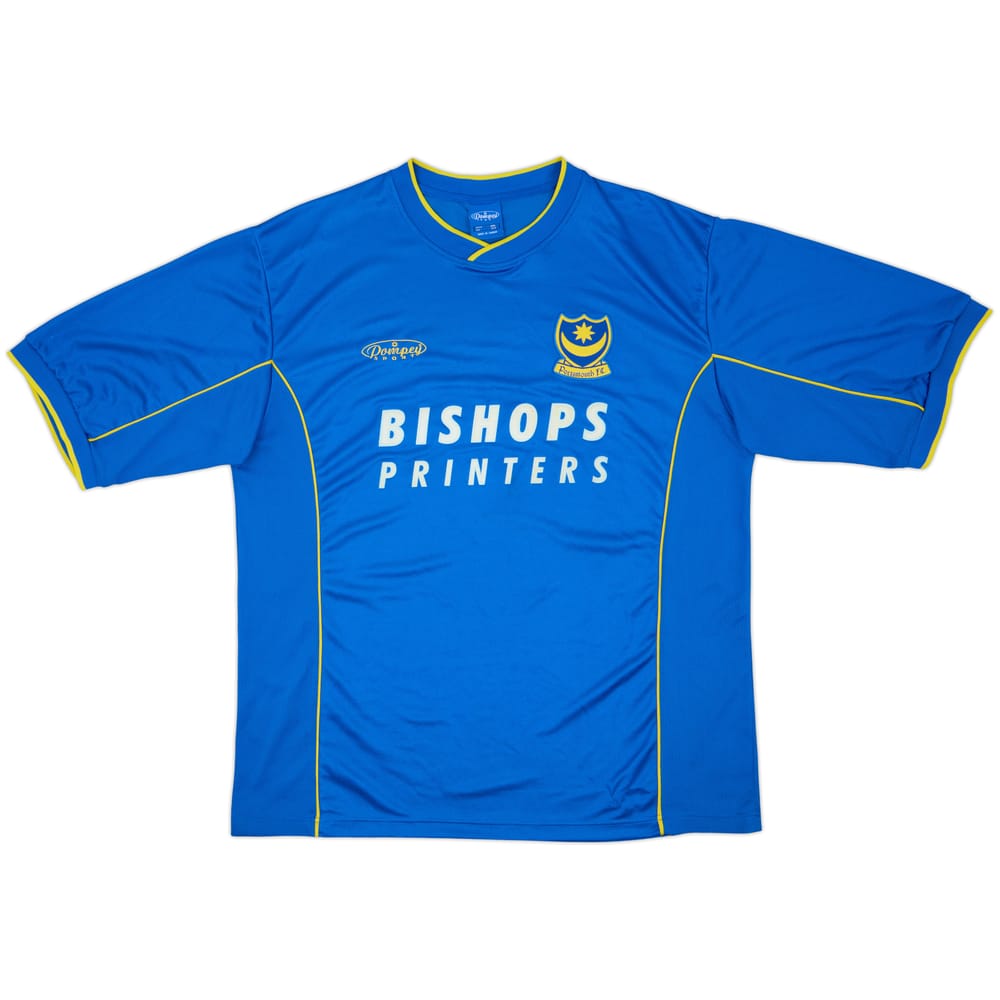
2000-02 Portsmouth Home Shirt - 6/10 - (XXL)
107.99£ - ca: €127

1995-97 Portsmouth Third Shirt - 5/10 - (S)
107.99£ - ca: €127
Introduction
Portsmouth Football Club, affectionately known as Pompey, is a historic football club based in the port city of Portsmouth, England. Founded in 1898, the club has become synonymous with the city’s rich maritime heritage. With a passionate fanbase and a vibrant history, Portsmouth stands out as a vital part of England’s football narrative. The club’s struggles and triumphs have shaped its identity, making it a beloved institution not only in Portsmouth but across the footballing world.
Club History
Portsmouth FC was established in April 1898, originally to provide local football enthusiasts with a team to support. The club quickly rose through the league ranks, gaining Football League membership in 1920. Over the decades, Portsmouth developed a reputation for competitive spirit and resilience. A pivotal moment in its history occurred in the late 1940s when the club won its first FA Cup in 1939, solidifying their position in the upper echelons of English football.
However, Portsmouth’s history wasn’t without its challenges. Following a troubled financial period in the early 2000s, the club faced multiple ownership changes and even entered administration in 2012. Despite these setbacks, the spirit of the club endured, with fans rallying to support Pompey during their darkest times. This resilience helped the club to establish a new direction for itself while emphasizing community and loyalty.
Achievements
Throughout its history, Portsmouth FC has achieved significant milestones. The club has claimed the FA Cup twice, with victories in 1939 and a legendary win in 2008 against Cardiff City. The 2008 triumph was especially notable as it marked their first FA Cup win in 69 years, instilling a sense of pride among supporters.
Portsmouth has a strong presence in domestic leagues as well, winning the Football League (now known as the EFL Championship) in 1948 and 1950. Their most successful period came in the late 1940s and early 1950s, characterized by thrilling offensive play and solid defenses that endeared them to fans far and wide. The club has also experienced success in the lower divisions, earning promotion to the EFL Championship multiple times since the 2000s, further underscoring the resilience of Portsmouth FC.
Significant Players and Matches
Throughout the years, Portsmouth has been home to several legendary players who have left a lasting impact on the club’s history. One of the most notable figures is Jimmy Dickinson, who made over 800 appearances for the club between 1946 and 1966. His defensive prowess and leadership earned him the nickname “Mr. Pompey.” Dickinson helped lead Portsmouth to two league titles and remains an iconic figure in the club’s lore.
Another prominent player was Peter Crouch, who started his professional career at Portsmouth in the early 2000s. Crouch’s unique height and skill on the ball helped him become a fan favorite, and he later went on to achieve international success with the England national team. A monumental match in the club’s history was the FA Cup final in 2008, where they triumphed 1-0 against Cardiff City, with a memorable goal from Niko Kranjčar, highlighting the club’s ability to rise to the occasion on the grand stage.
Cultural Impact
Portsmouth FC is deeply ingrained in the cultural fabric of its city. The club serves as a unifying force for the local community, bringing together fans from diverse backgrounds to support their team. The passionate atmosphere at Fratton Park, the club’s home ground, showcases the dedication of the Pompey faithful, who create a vibrant matchday experience. The club’s songs, particularly “Play Up Pompey,” resound through the stands, echoing the pride of a loyal fanbase.
Moreover, Portsmouth FC has a significant impact on local initiatives. The club engages with schools and community projects, promoting youth football and health awareness, which further cements its role as an integral part of life in Portsmouth. The club’s values of community, loyalty, and resilience resonate well with fans and inspire the next generation of football enthusiasts.
Conclusion
Portsmouth Football Club is more than just a football team; it is a symbol of resilience, community spirit, and rich history in English football. From its early days to its notable achievements, Portsmouth has carved a niche for itself in the sporting landscape. The challenges the club has faced only serve to enhance its narrative, illustrating the unwavering support of its fans and their steadfast belief in the club’s potential. As Portsmouth FC continues to move forward, it remains a testament to the enduring appeal of football and a cherished part of England’s footballing heritage.
1 / 4
Advertising links: retro-football-shirt.com is an independent affiliate site. The buy links go to Classic Football Shirts, and we may earn a commission on purchases made through our links. The purchase is made at the retailer, where you will also find the current price, availability and terms of sale.