Yeovil Town

2006-07 Yeovil Town GK Shirt Mildenhall #1 - 7/10 - (M)
71.99£ - ca: €85

2003-04 Yeovil Town GK Shirt - 6/10 - (L)
71.99£ - ca: €85

2009-10 Yeovil Town Away Shirt - 8/10 - (XL)
59.99£ - ca: €71
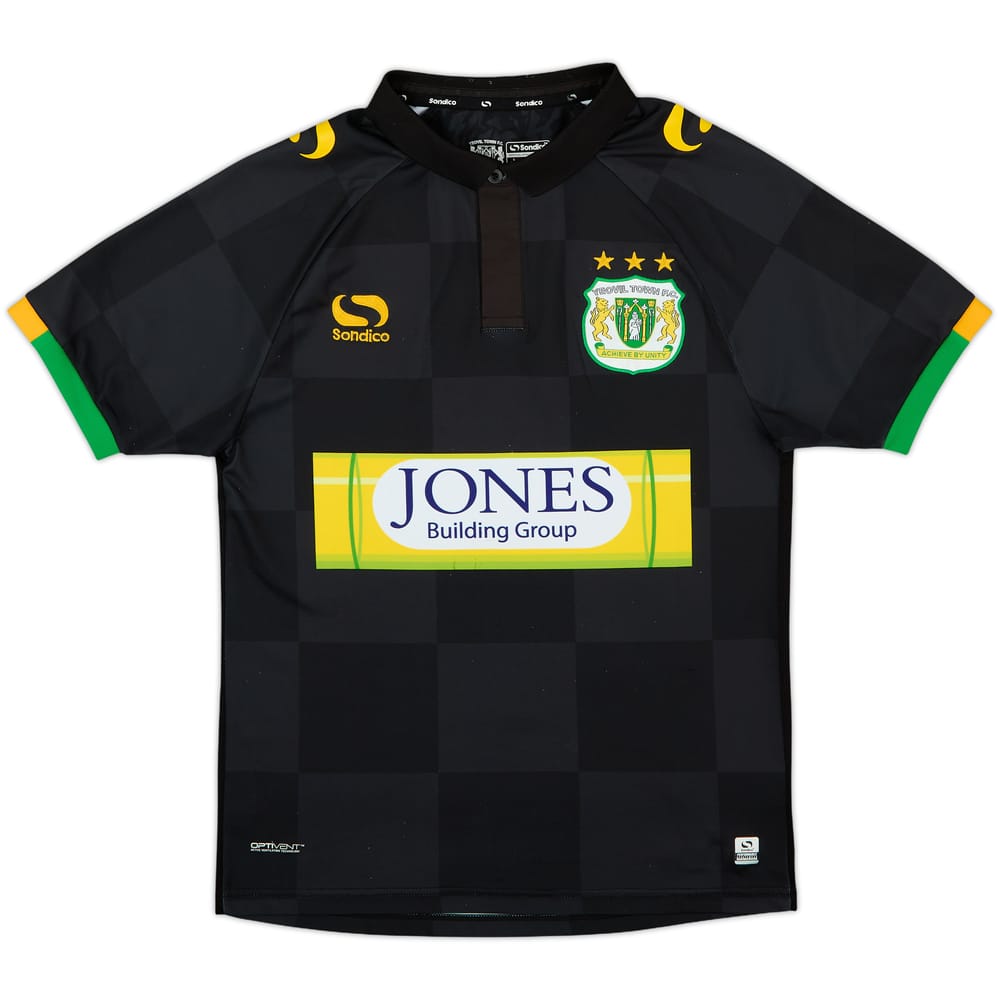
2017-18 Yeovil Town Away Shirt - 8/10 - (S)
47.99£ - ca: €57

2024-25 Yeovil Town Home Shirt - 8/10 - (L)
47.99£ - ca: €57

2019-20 Yeovil Town Home Shirt - 6/10 - (3XL)
41.99£ - ca: €50

2007-08 Yeovil Town Women GK Shirt - 8/10 - (S)
23.99£ - ca: €28

2005-06 Yeovil Town Home Shirt - 7/10 - (10-11 Years)
23.99£ - ca: €28

2023-24 Yeovil Town Errea Polo Shirt - 9/10 - (S)
23.99£ - ca: €28
Introduction
Yeovil Town Football Club, established in 1895, is a professional football club based in Yeovil, Somerset, England. The club has a rich history rooted in community spirit and sporting ambition. Known as “The Glovers,” a nickname derived from the town’s historical association with glove-making, the club’s colors are green and white, which are proudly worn by its passionate supporters. Over the years, Yeovil Town has built a loyal following, reflecting the club’s enduring presence in the football landscape of England.
Club History
The history of Yeovil Town can be traced back to its foundation in 1895, starting as Yeovil Casuals before eventually adopting the name Yeovil Town in 1919. The club initially embarked on its journey through local leagues, but a pivotal moment occurred in 1920 when they joined the Southern Football League. By the end of the 1940s, Yeovil Town had established itself as a strong competitor in their league, culminating in their first FA Cup appearances during this period.
In the 1950s, Yeovil Town achieved a significant milestone by reaching the Third Round of the FA Cup; this was a remarkable feat for a non-league club. The 1970s and 1980s were formative years as the club experienced both highs and lows, struggling at various levels while fostering local talent and dedication. The club moved to its current home, Huish Park, in 1990, which has become a vital part of their identity and community engagement.
Achievements
Yeovil Town’s notable achievements are particularly highlighted by their FA Cup runs and successes in the lower tiers of English football. The club enjoyed remarkable success in the 2000s, notably achieving promotion to the Football League for the first time in 2003 after winning the Nationwide Conference. The following season led to further triumph as they secured the Football League Two title, marking a significant ascent in the English football pyramid.
In 2013, the club reached its peak when it ascended to the Championship, the second tier of English football. This historic promotion was underscored by their remarkable performance that season, where they finished in the top three of League One, securing status in the Championship at the expense of larger clubs. The club’s magical FA Cup journey where they defeated powerful teams, including a memorable victory against Sunderland, further avowed their competitive spirit and capability on the national scene.
Significant Players and Matches
Throughout their storied history, Yeovil Town has produced numerous talented players who have made significant contributions to the club. One notable figure is Glovers’ legend, Trevor Aylott, a striker who played a pivotal role during the 1970s and 1980s. More recently, players like Kevin Gall and Darren Way, who both showcased remarkable skills during their time with the club, left a lasting impact on the field and in the hearts of fans.
Among the landmark matches that stand out in Yeovil Town’s history is the famous FA Cup match against Sunderland in 2014, where Yeovil claimed a stunning 3-0 victory. This match wasn’t just a remarkable win; it symbolized the club’s ability to compete against teams from higher divisions. The resonance of this win extended beyond the pitch, marking an unforgettable chapter in the club’s legacy.
Cultural Impact
Yeovil Town FC is more than just a football club; it is an integral part of the local culture in Yeovil. The club has fostered community engagement through youth programs, charity events, and local initiatives, creating a familial atmosphere among its supporters. The loyal fanbase, colloquially known as the Glovers’ faithful, consistently supports the club through thick and thin, showcasing a deep-rooted sense of identity and pride that reflects the town’s spirit.
The club has become a focal point for local gatherings, with match days transforming Huish Park into a vibrant hub of activity where families, friends, and fans come together to celebrate football. The sense of belonging that Yeovil Town fosters is evident in the verses sung from the stands and the enthusiasm that resonates throughout the town, highlighting the cultural significance the club embodies.
Conclusion
Yeovil Town Football Club holds a special place in the tapestry of English football history. With its origins deeply embedded in the community and a commitment to nurturing local talent, the club has successfully navigated various challenges over the years. From its historic achievements and memorable matches to its impactful presence in the local culture, Yeovil Town remains not just a football club but a symbol of pride and resilience for its community. While the path ahead may continue to present new challenges, the legacy of Yeovil Town continues to inspire future generations of football enthusiasts in Somerset and beyond.
Advertising links: retro-football-shirt.com is an independent affiliate site. The buy links go to Classic Football Shirts, and we may earn a commission on purchases made through our links. The purchase is made at the retailer, where you will also find the current price, availability and terms of sale.