Padova

1996-97 Padova Match Issue Home Shirt M.Bedin #27
239.99£ - ca: €283

1996-97 Padova Match Issue Home L/S Shirt Coti #28
239.99£ - ca: €283

1996-97 Padova Match Issue Home L/S Shirt #10
239.99£ - ca: €283

1996-97 Padova Away Shirt - 8/10 - (XL)
119.99£ - ca: €142

2009-10 Padova Match Issue Home L/S Shirt Bovo #8
119.99£ - ca: €142

2011-12 Padova Match Issue Away L/S Shirt Cuffa #88
107.99£ - ca: €127

1999-00 Padova GK Shirt #16 - 6/10 - (XL)
95.99£ - ca: €113

2009-10 Padova Match Issue Home Shirt Filippini #17
95.99£ - ca: €113

2009-10 Padova Match Issue Home Shirt Lazzari #21
95.99£ - ca: €113

2026-27 Padova Away Shirt
95.99£ - ca: €113

2012-13 Padova Home Shirt (S)
83.99£ - ca: €99

2003-04 Padova Home Shirt - 8/10 - (M)
83.99£ - ca: €99

1996-97 Padova Diadora Training Shirt - 10/10 - (3XL)
83.99£ - ca: €99
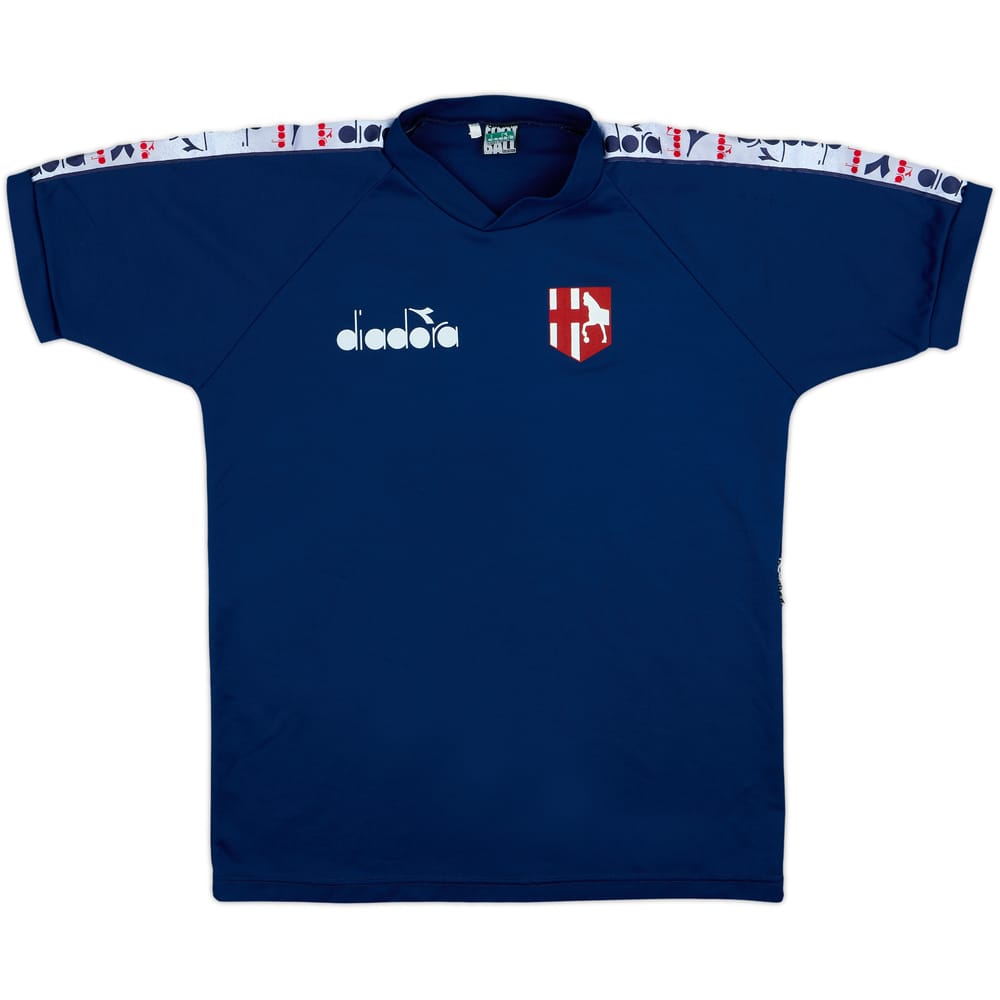
1997-99 Padova Diadora Training Shirt - 10/10 - (XL)
71.99£ - ca: €85

2006-07 Padova GK Shirt - 9/10 - (XL)
71.99£ - ca: €85

1992-93 Padova Lotto Training L/S Shirt - 8/10 - (L)
71.99£ - ca: €85

2006-07 Padova GK Shirt - 8/10 - (XL)
71.99£ - ca: €85

2003-04 Padova Home Shirt - 7/10 - (XL)
71.99£ - ca: €85

2012-13 Padova Joma Track Jacket (XXL)
71.99£ - ca: €85

2012-13 Padova Match Issue Home Shirt #9
71.99£ - ca: €85

2005-06 Padova Match Issue Away Shirt #9
71.99£ - ca: €85

2004-05 Padova GK Shirt #1 - 8/10 - (XL)
71.99£ - ca: €85

2012-13 Padova Joma Track Jacket (M)
59.99£ - ca: €71

2007-08 Padova Match Issue Third Shirt #4
59.99£ - ca: €71

2012-13 Padova Away Shirt (M)
59.99£ - ca: €71

2012-13 Padova Away Shirt (M)
59.99£ - ca: €71

2008-09 Padova Away L/S Shirt - 9/10 - (XL)
59.99£ - ca: €71

1998-99 Padova Diadora Training L/S Shirt - 8/10 - (XS)
59.99£ - ca: €71

2017-18 Padova Kappa Drill Top - 9/10 - (M)
59.99£ - ca: €71

2012-13 Padova Home Shirt (M)
59.99£ - ca: €71

2025-26 Padova Third Shirt
53.99£ - ca: €64

2011-12 Padova Home L/S Shirt - 7/10 - (M)
53.99£ - ca: €64

2012-13 Padova Joma Track Jacket (S)
53.99£ - ca: €64

2008-09 Padova Home Shirt - 8/10 - (XL)
53.99£ - ca: €64

2007-08 Padova Away Shirt - 8/10 - (S)
53.99£ - ca: €64

2002-03 Padova Valsport 1/4 Zip Sweat Top - 6/10 - (XXL)
53.99£ - ca: €64

2011-12 Padova Joma Training Bottoms (XL)
47.99£ - ca: €57

2013-14 Padova Macron 1/4 Zip Training Top - 10/10 - (L)
47.99£ - ca: €57

2011-12 Padova Away Shirt - 9/10 - (S)
47.99£ - ca: €57
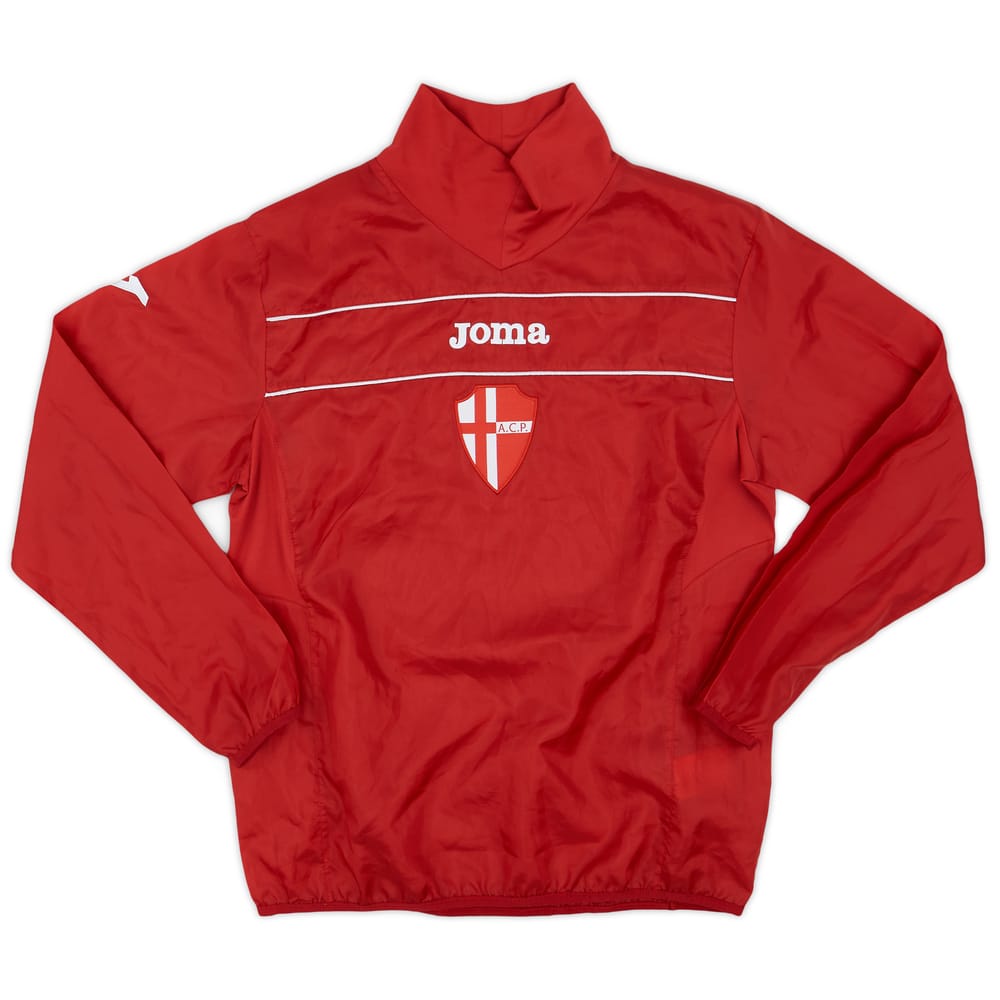
2012-13 Padova Joma Drill Top - 6/10 - (S)
47.99£ - ca: €57

2015-16 Padova Home Shirt - 8/10 - (L)
47.99£ - ca: €57

2011-12 Padova Third Shirt - 9/10 - (XL)
47.99£ - ca: €57
Introduction
Football Club Padova, often simply referred to as Padova, is a storied Italian football club based in the picturesque city of Padua, located in the Veneto region of Italy. Established in 1910, the club is known for its iconic red and white colors, symbolizing its rich heritage and passionate fanbase. Over the years, Padova has carved out a significant place in Italian football, representing an enduring spirit of competition, pride, and a deep connection to its local culture.
Club History
Padova was founded on July 5, 1910, making it one of the older football clubs in Italy. The club swiftly rose through the ranks, achieving success in regional leagues during its early years. The most pivotal moment in its history came in the 1950s when Padova emerged as a prominent contender in Serie A, Italy’s top football league. The highlight of this period was in the 1957-58 season when the team finished third in Serie A, marking their best-ever league performance up to that date. Over the years, Padova has experienced its share of ups and downs, navigating promotions and relegations that have shaped its current identity as a reliable force in Italian football.
Achievements
Padova has a long list of achievements, showcasing its competitive spirit in both domestic and international arenas. The club’s most notable domestic triumph came in 1932 when it clinched the Coppa Italia, one of the premier cup competitions in Italian football. The 1950s also saw Padova enjoy consistent performances in Serie A, where they played multiple seasons and repeatedly challenged for the top spots. Despite the struggles of subsequent decades, the club has remained a formidable presence in lower divisions and is continually working towards returning to Serie A. Internationally, although Padova has not made a deep run in European competitions, its participation in the 1961-62 Inter-Cities Fairs Cup brought it into the spotlight, marking a significant chapter in the club’s history.
Significant Players and Matches
Throughout its history, Padova has featured many legendary players who have left an indelible mark on the club. One of the most notable figures is the striker Paolo Rossi, who later achieved fame as Italy’s hero in the 1982 FIFA World Cup. Rossi started his professional career with Padova, showcasing his goal-scoring prowess that would take him to greater heights. Other significant players include Antonio Di Gennaro and Mauro Tassotti, both of whom contributed greatly during their spells at the club. Landmark matches, such as the 1957 match against AC Milan that ended in a 2-2 draw, elevated Padova’s status in Italian football, showcasing it as a contender against established giants. Similarly, the thrilling matches in the cup competitions have excited their loyal supporters and remain etched in the club’s lore.
Cultural Impact
Padova’s impact extends beyond the football pitch and into the heart of the local community. It has fostered a deep sense of pride among its supporters, many of whom have followed the club through thick and thin. The passionate fanbase has a unique culture that revolves around the club, often leading to energetic support during home games at the iconic Stadio Euganeo. Matchdays in Padua see a surge of color and excitement as families, young fans, and long-time supporters come together to celebrate their love for the club, making it a significant social gathering point. The club’s efforts in community outreach and youth engagement also resonate with its long-standing tradition of nurturing local talent, thereby entrenched in the culture of Padua itself.
Conclusion
In summary, Football Club Padova stands as a testament to the enduring spirit and legacy of Italian football. With its remarkable history, notable achievements, significant players, and cultural impact, Padova continues to inspire generations of fans. As the club strives to reclaim its position in the upper echelons of Italian football, it embodies the aspirations of its supporters and remains an integral part of the tapestry of football history in Italy. Looking ahead, Padova’s journey promises to be as thrilling as its past, as the club aims to rise once more to the pinnacle of Italian football.
1 / 3
Advertising links: retro-football-shirt.com is an independent affiliate site. The buy links go to Classic Football Shirts, and we may earn a commission on purchases made through our links. The purchase is made at the retailer, where you will also find the current price, availability and terms of sale.