Hull City

1986-88 Hull City Home Shirt - 7/10 - (M)
359.99£ - ca: €425

1990-92 Hull City Away Shirt - 9/10 - (M)
359.99£ - ca: €425

1999-00 Hull City Home Shirt - 9/10 - (XL)
179.99£ - ca: €212

2013-14 Hull City Home L/S Shirt - 10/10 - (3XL)
83.99£ - ca: €99

2018-19 Hull City Away Shirt Bowen #20 - 10/10 - (M)
71.99£ - ca: €85

2011-12 Hull City Authentic GK Shirt (M)
71.99£ - ca: €85

2013-14 Hull City GK Shirt - 9/10 - (L)
59.99£ - ca: €71

2011-12 Hull City Away Shirt Barmby #18 - 9/10 - (S)
59.99£ - ca: €71

2023-24 Hull City GK Shirt - 9/10 - (XXL)
59.99£ - ca: €71

2021-22 Hull City Player Issue Track Jacket #40 - 8/10 - (M)
53.99£ - ca: €64

2023-24 Hull City GK Shirt - 8/10 - (3XL)
53.99£ - ca: €64

2009-10 Hull City Away Shirt - 7/10 - (3XL)
53.99£ - ca: €64

2013-14 Hull City Home L/S Shirt - 8/10 - (3XL)
53.99£ - ca: €64

2018-19 Hull City GK Shirt - 10/10 - (L)
53.99£ - ca: €64

2009-10 Hull City GK Shirt - 8/10 - (XXL)
47.99£ - ca: €57

2009-10 Hull City Away Shirt - 7/10 - (3XL)
41.99£ - ca: €50

2008-09 Hull City Umbro Hooded Rain Jacket - 9/10 - (S)
41.99£ - ca: €50

2008-09 Hull City Home Shorts - 10/10 - (L)
41.99£ - ca: €50

2015-16 Hull City Home Shirt Akpom #19 - 5/10 - (3XL)
41.99£ - ca: €50

2023-24 Hull City Third Shirt - 7/10 - (XXL)
41.99£ - ca: €50

2011-12 Hull City Away Shirt - 8/10 - (XL)
41.99£ - ca: €50

2009-10 Hull City Umbro 1/4 Zip Polo Shirt - 10/10 - (L)
35.99£ - ca: €42

2020-21 Hull City Umbro Track Jacket - 8/10 - (S)
35.99£ - ca: €42

2019-20 Hull City Youth Match Issue Home Shirt #17
35.99£ - ca: €42

2020-21 Hull City Umbro Polo Shirt - 8/10 - (L)
35.99£ - ca: €42

2008-09 Hull City Home Shorts - 8/10 - (L)
35.99£ - ca: €42

2010-11 Hull City GK Shirt - 10/10 - (15-16 Years)
35.99£ - ca: €42

2019-20 Hull City GK Shirt - 10/10 - (S)
35.99£ - ca: €42

2009-10 Hull City Away Shirt - 5/10 - (M)
35.99£ - ca: €42

2010-11 Hull City GK Shirt (15-16 Years)
35.99£ - ca: €42

2024-25 Hull City Kappa Training Shirt - 8/10 - (XL)
29.99£ - ca: €35

2023-24 Hull City Home Shirt - 6/10 - (S)
29.99£ - ca: €35

2023-24 Hull City Kappa Training Shirt - 7/10 - (XL)
29.99£ - ca: €35

2009-10 Hull City Away Shirt - 5/10 - (S)
29.99£ - ca: €35
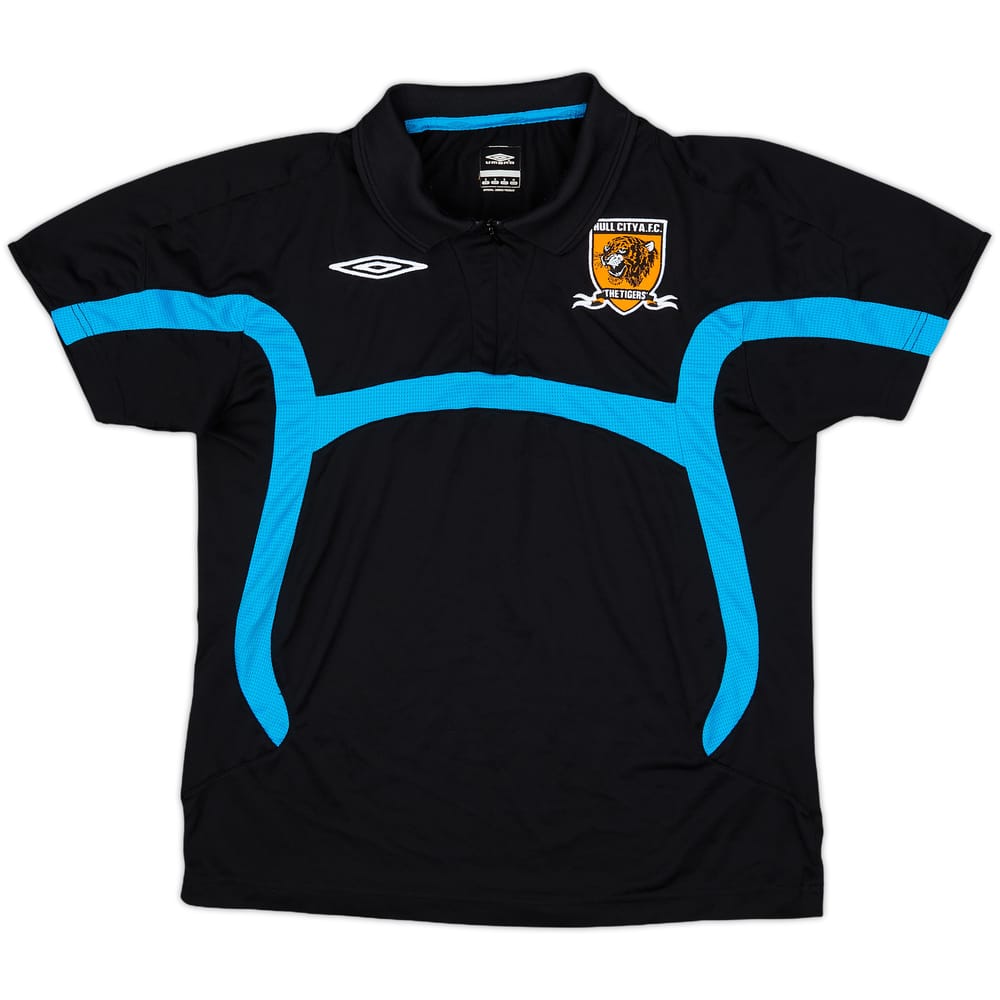
2009-10 Hull City 1/4 Zip Polo Shirt - 10/10 - (9-10 Years)
29.99£ - ca: €35

2008-09 Hull City Umbro Polo Shirt - 8/10 - (M)
23.99£ - ca: €28

2016-17 Hull City Umbro Staff Issue Training Shirt MB - 8/10 - (M)
23.99£ - ca: €28

2018-20 Hull City Bowen #20 EFL Name Set
23.99£ - ca: €28
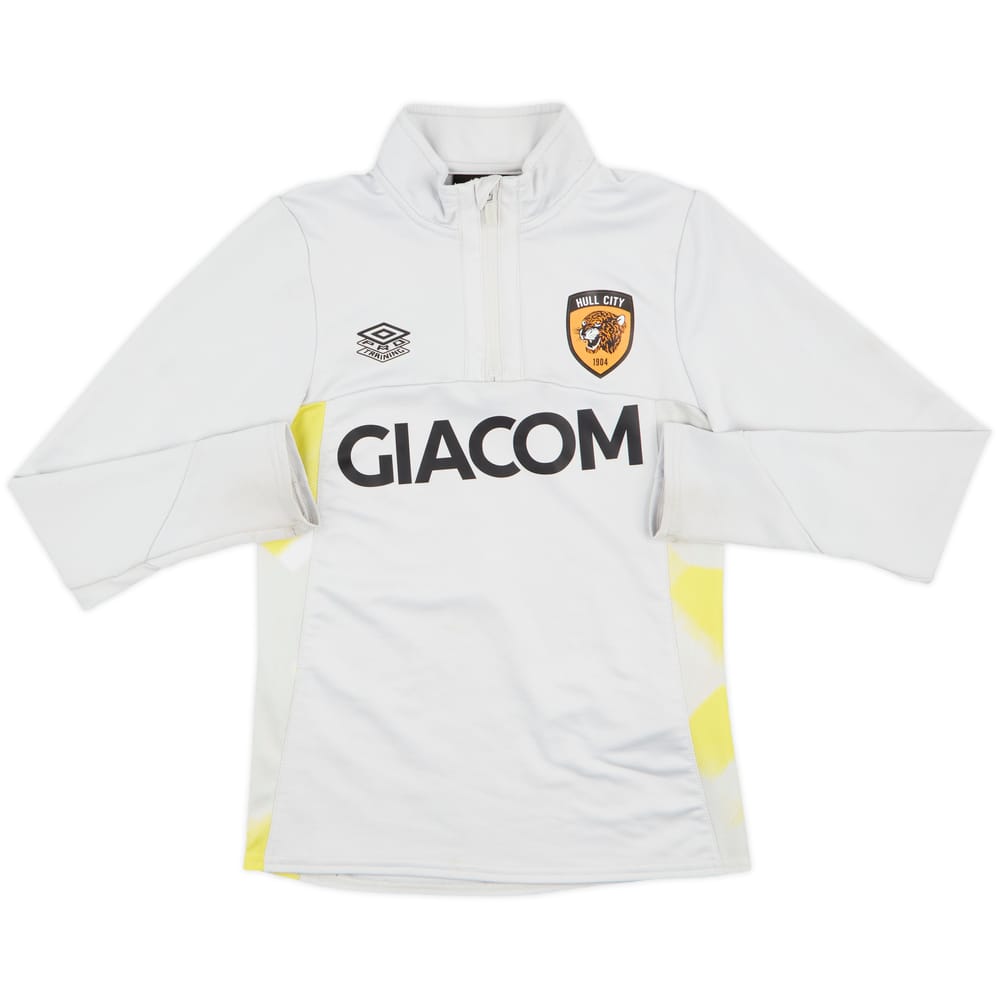
2020-21 Hull City Umbro 1/4 Zip Drill Top - 8/10 - (8-9 Years)
23.99£ - ca: €28

2004-05 Hull City Diadora Padded Bench Coat - 9/10 - (9-10 Years)
23.99£ - ca: €28

2011-12 Hull City Home Shirt - 8/10 - (XXS)
17.99£ - ca: €21

2016-17 Hull City Umbro Track Pants/Bottoms - 6/10 - (S)
17.99£ - ca: €21
Introduction
Hull City, officially known as Hull City AFC, is a professional football club based in Hull, East Yorkshire, England. Established in 1904, the club holds a prominent place in English football history. With its iconic black and amber colors, Hull City has long been a source of pride for its loyal fanbase. The team’s journey through various leagues, their fierce rivalries, and memorable moments have solidified their identity within both the local community and the broader football landscape.
Club History
Hull City was founded on June 10, 1904, amid the burgeoning football scene in England. Originally formed to provide local players with the opportunity to compete at a higher level, by 1905, Hull City gained acceptance into the Football League. The club played its first match at Anlaby Road, and in 1946, the move to the MKM Stadium (formerly known as the KC Stadium) marked a significant upgrade in their facilities and a new chapter in the club’s history.
Over the decades, Hull City experienced ups and downs, fluctuating between different tiers of the football pyramid. The club achieved notable success in the late 20th century, recording its first noteworthy achievement when they won the Third Division title in 1966. However, numerous promotions and relegations followed, testing the resilience of the club and its supporters.
Achievements
Hull City has accomplished several significant milestones in English football. Their most remarkable achievement came during the 2007–08 season when they secured promotion to the Premier League for the first time in the club’s history after winning the Championship playoff final. The Tigers, as they are affectionately known, not only survived their debut season in the top flight but also went on to finish 17th, showcasing their competitive spirit.
In addition to their promotion, Hull City reached the FA Cup final in 2014. This historic match ended in a dramatic 3–2 defeat to Arsenal after extra time. This run included memorable victories over the likes of Sunderland and Sheffield United, capturing the hearts of many fans. Although Hull City did not win the cup, their journey to the final remains a significant highlight in the club’s history.
In a local context, the club also secured the Football League Trophy in 2008, defeating Cardiff City in the final, further adding silverware to their cabinet and enhancing their status in the football community.
Significant Players and Matches
Throughout its history, Hull City has been home to several notable players who have made significant contributions to the team. One of the most revered figures is Dean Windass, regarded as a club legend. His two goals in the 2008 playoff final are etched in the memories of fans and remain critical to the club’s history. Another significant player is Stephen Hunt, notable for his speed and work rate, instrumental during the club’s early Premier League seasons.
The club has also seen standout performances in defining matches. The dramatic 2–1 victory over Bristol City in the 2008 Championship playoff final is celebrated as a pivotal moment that launched Hull City into the Premier League. Similarly, their thrilling 5–3 win over Newcastle United in 2013 is an unforgettable match for fans, illustrating the highs and lows of supporting such a passionate club.
Cultural Impact
Hull City has significantly influenced local culture, serving as a central hub for community spirit and pride. The club’s supporters, known as the ‘Tigers’, are known for their unwavering loyalty and vibrant matchday atmosphere at the MKM Stadium. The club has forged a deep connection with the city of Hull, fostering a sense of identity that transcends football.
Fan engagement is a cornerstone of Hull City’s ethos, with initiatives designed to involve local schools, charities, and community groups. The club’s efforts in promoting local talent through its youth academy have also received recognition, contributing to the growth of young footballers in the region.
Conclusion
Hull City AFC holds a substantial place in the annals of football history, marked by passionate support, memorable achievements, and a commitment to community engagement. From its humble beginnings over a century ago to its current status as a competitive club within the English football landscape, Hull City’s contributions to the sport extend beyond the pitch. The club continues to inspire future generations of players and fans alike, underscoring its importance in the vibrant tapestry of football history. Through its triumphs and challenges alike, Hull City remains a beacon of pride for the city of Hull and its dedicated supporters.
1 / 2
Advertising links: retro-football-shirt.com is an independent affiliate site. The buy links go to Classic Football Shirts, and we may earn a commission on purchases made through our links. The purchase is made at the retailer, where you will also find the current price, availability and terms of sale.