Crystal Palace

1987-88 Crystal Palace Home Shirt - 10/10 - (M)
419.99£ - ca: €496

1990-91 Crystal Palace Third Shirt - 8/10 - (M)
359.99£ - ca: €425

1989-90 Crystal Palace Away Shirt - 9/10 - (S)
359.99£ - ca: €425
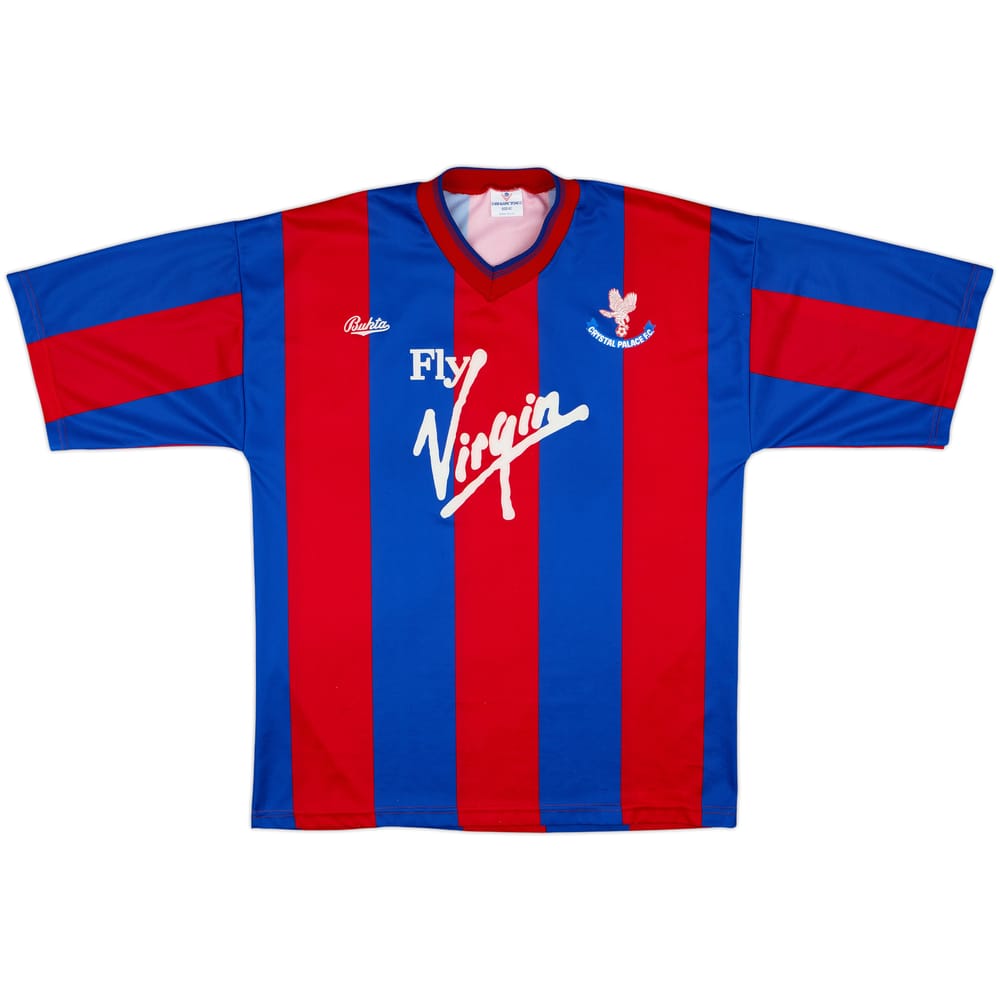
1988-90 Crystal Palace Home Shirt - 8/10 - (L)
359.99£ - ca: €425

1981-83 Crystal Palace Third Shirt - 9/10 - (M)
359.99£ - ca: €425

1996-97 Crystal Palace Away Shirt - 8/10 - (L)
359.99£ - ca: €425

1988-90 Crystal Palace Home Shirt - 6/10 - (M)
359.99£ - ca: €425

1987-88 Crystal Palace Home Shirt - 9/10 - (M)
359.99£ - ca: €425

1989-90 Crystal Palace Away Shirt - 8/10 - (L)
359.99£ - ca: €425

1980-84 Crystal Palace Home Shirt - 8/10 - (S)
299.99£ - ca: €354

1988-90 Crystal Palace Home Shirt - 7/10 - (S)
299.99£ - ca: €354

1990-91 Crystal Palace Third Shirt - 8/10 - (S)
299.99£ - ca: €354

1988-90 Crystal Palace Home Shirt - 7/10 - (S)
239.99£ - ca: €283
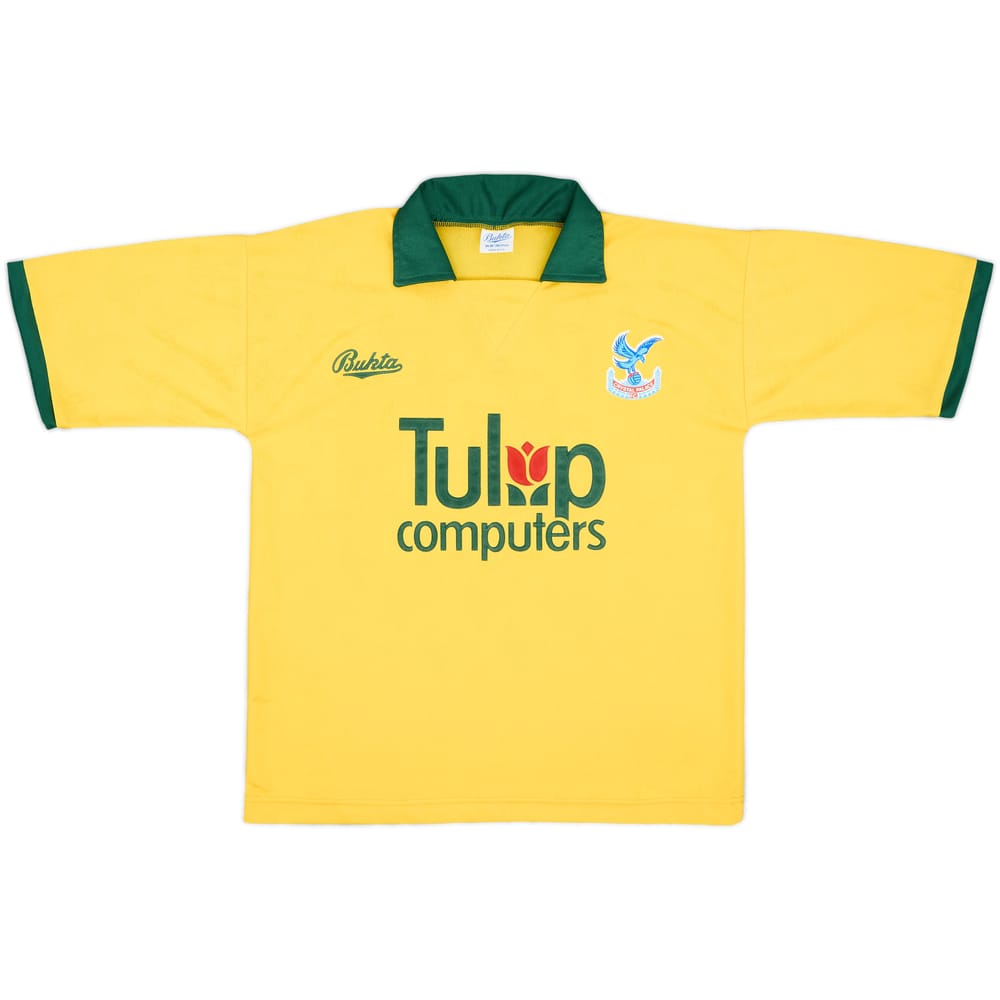
1991-92 Crystal Palace Away Shirt - 8/10 - (S)
209.99£ - ca: €248

2016-17 Crystal Palace Home L/S Shirt Zaha #11 (XXL)
209.99£ - ca: €248

2019-20 Crystal Palace Home Shirt Zaha #11 (S)
179.99£ - ca: €212

2025-26 Crystal Palace Match Issue Third Shirt Cardines #59
179.99£ - ca: €212

1991-92 Crystal Palace Away Shirt - 7/10 - (M)
179.99£ - ca: €212

2017-18 Crystal Palace Match Issue Home Shirt Loftus-Cheek #8
179.99£ - ca: €212

2025-26 Crystal Palace Match Issue Home Shirt Devenny #55
179.99£ - ca: €212

2024-25 Crystal Palace Match Issue Away Shirt Devenny #55
149.99£ - ca: €177

2024-25 Crystal Palace Match Issue Away Shirt M.Franca #11
149.99£ - ca: €177

2019-20 Crystal Palace Home Shirt Zaha #11 - 10/10 - (M)
149.99£ - ca: €177

2024-25 Crystal Palace Match Issue Away L/S Shirt Chadi Riad #34
149.99£ - ca: €177

2024-25 Crystal Palace Match Issue Away Shirt M.Franca #11
149.99£ - ca: €177

2007-08 Crystal Palace Home Shirt Kuqi #32 - 8/10 - (3XL)
119.99£ - ca: €142

2003-04 Crystal Palace Home Shirt Mullins #7 - 6/10 - (L)
119.99£ - ca: €142

2014-15 Crystal Palace Away Shirt Zaha #11 (XXL)
107.99£ - ca: €127

2016-17 Crystal Palace Away Shirt Zaha #11 - 8/10 - (XXL)
107.99£ - ca: €127

2020-21 Crystal Palace Away Shirt (XL)
107.99£ - ca: €127

2015-16 Crystal Palace Home Shirt Zaha #11 (4XL)
107.99£ - ca: €127

2020-21 Crystal Palace Away Shirt (3XL)
95.99£ - ca: €113

2016-17 Crystal Palace Youth Home Shirt (S)
83.99£ - ca: €99

2001-02 Crystal Palace Away Shirt - 5/10 - (XXL)
71.99£ - ca: €85

2019-20 Crystal Palace Puma Track Jacket (3XL)
59.99£ - ca: €71

2018-19 Crystal Palace Puma Polo Shirt (XXL)
47.99£ - ca: €57

2011-12 Crystal Palace Home Shirt - 5/10 - (M)
47.99£ - ca: €57

2018-19 Crystal Palace Puma Padded Bench Coat - 8/10 - (S)
47.99£ - ca: €57

2004-05 Crystal Palace GK Shorts - 10/10 - (L)
47.99£ - ca: €57

2005-06 Crystal Palace Diadora Training Shirt - 8/10 - (XL)
47.99£ - ca: €57

2018-19 Crystal Palace Puma Training Shirt - 10/10 - (XL)
41.99£ - ca: €50
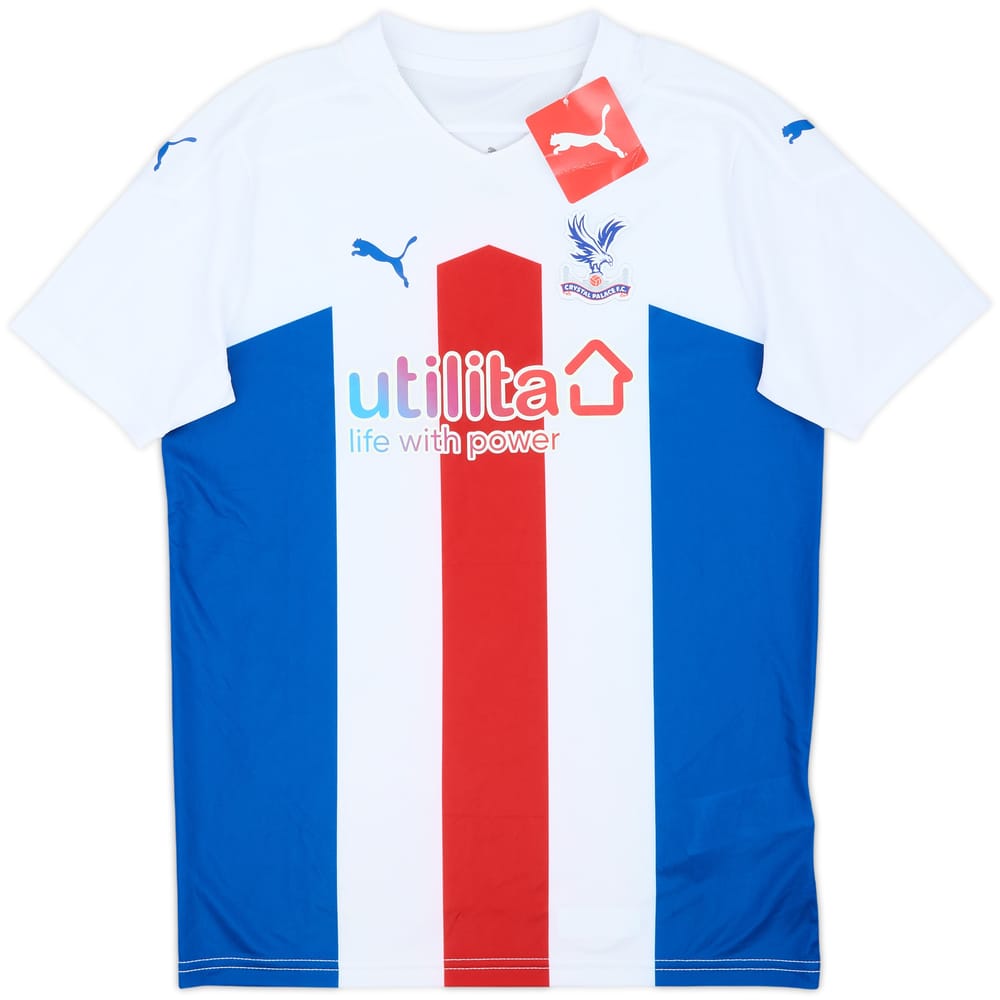
2020-21 Crystal Palace Away Shirt (13-14 Years)
35.99£ - ca: €42
Introduction
Crystal Palace Football Club, known affectionately as the Eagles, is a professional football club based in Selhurst, South London, England. Established in 1905, the club has a rich heritage and a vibrant identity in English football. Known for its passionate fanbase, unique club colors of claret and blue, and the iconic Selhurst Park stadium, Crystal Palace has become a significant part of the football landscape in England and beyond.
Club History
Crystal Palace FC was founded in 1905 when a group of local businessmen sought to create a professional football team to represent the Crystal Palace exhibition centre. Initially playing in the Southern League, the club joined the Football League in 1920, marking a significant step in its development. One of the earliest historic moments came in 1969, when Crystal Palace achieved a stunning victory in the FA Cup, paving the way for greater success.
Throughout the years, the club has experienced various ups and downs, including periods of relegation and promotion. Notably, the late 1960s and early 1970s were formative years, with the appointment of legendary manager Malcolm Allison. Under his leadership, the club rose to the First Division in 1969, signifying its arrival on the national stage.
Achievements
Crystal Palace’s achievements are a testament to its resilience and competitive spirit. The club’s most notable accolade came in 1990 when they reached the FA Cup final, only to be narrowly defeated by Manchester United in a replay after the first match ended in a 3-3 draw. This monumental match is etched in club history as a demonstration of its ability to compete with the best.
In addition to their memorable FA Cup run, the club has enjoyed several campaigns in England’s top tier and has had remarkable successes in the lower leagues. Crystal Palace won the Second Division title in 1964 and lifted the Third Division trophy in 1961. Their crowning domestic achievement came when they finished third in the First Division in the 1978–79 season, marking one of the high points of the club’s history.
Internationally, although Crystal Palace has not achieved significant accolades in European competitions, their appearances in the UEFA Cup in the late 1970s and more recently in the UEFA Europa League have showcased their ongoing development as a competitive club.
Significant Players and Matches
Throughout its history, Crystal Palace has been home to many iconic players who left an indelible mark on the club. One of the most notable figures is Geoff Thomas, who played a pivotal role in the club’s success during the late 1980s and early 1990s. As a central midfield dynamo, Thomas notched up over 300 appearances for the Eagles, leading by example both on and off the pitch.
Another legendary player in the club’s lineage is Wilfried Zaha, who emerged from the youth academy and has since become a talisman for the team. Zaha’s flair, pace, and skill have made him a fan favorite and a key figure in the team’s attack since he debuted in 2010. His contributions were instrumental during the club’s recent Premier League campaigns, demonstrating his value as one of England’s exciting forwards.
Memorable matches in Crystal Palace’s history include the dramatic 4-3 victory against Liverpool in 2016, which not only acted as a catalyst for the club’s revival under manager Alan Pardew, but also exemplified the unpredictability and excitement that football fans cherish. This match, alongside other classics against rivals like Brighton, showcases the emotional resonance and rivalry integral to the club’s identity.
Cultural Impact
Crystal Palace’s influence extends beyond the pitch, significantly impacting local culture and fostering a devoted fanbase. The club’s supporters, known for their unwavering loyalty, have cultivated a vibrant community that embodies the spirit of South London. Matchdays at Selhurst Park feel electric, with supporters rallying together to create an atmosphere that can intimidate even the toughest of opponents.
The club’s connection with the local community is further strengthened through various outreach programs and initiatives aimed at engaging youth and promoting social inclusion. This involvement highlights Crystal Palace as not just a football club, but as an essential part of the local fabric, uniting people from diverse backgrounds through a common passion.
Conclusion
Crystal Palace Football Club holds a prominent place in football history, characterized by its storied past, notable achievements, and a passionate fanbase. From its origins in the early 20th century to its modern-day battles in the Premier League, the club’s journey is a testament to resilience and community spirit. As it continues to grow and evolve, Crystal Palace remains a significant symbol of pride for South London, reminding everyone that football is about more than just victories; it’s about identity, culture, and passionate loyalty.
1 / 2
Advertising links: retro-football-shirt.com is an independent affiliate site. The buy links go to Classic Football Shirts, and we may earn a commission on purchases made through our links. The purchase is made at the retailer, where you will also find the current price, availability and terms of sale.