Motherwell

2014-15 Motherwell Macron Track Jacket - 8/10 - (S)
53.99£ - ca: €64

2013-14 Motherwell Home Shirt - 8/10 - (S)
53.99£ - ca: €64
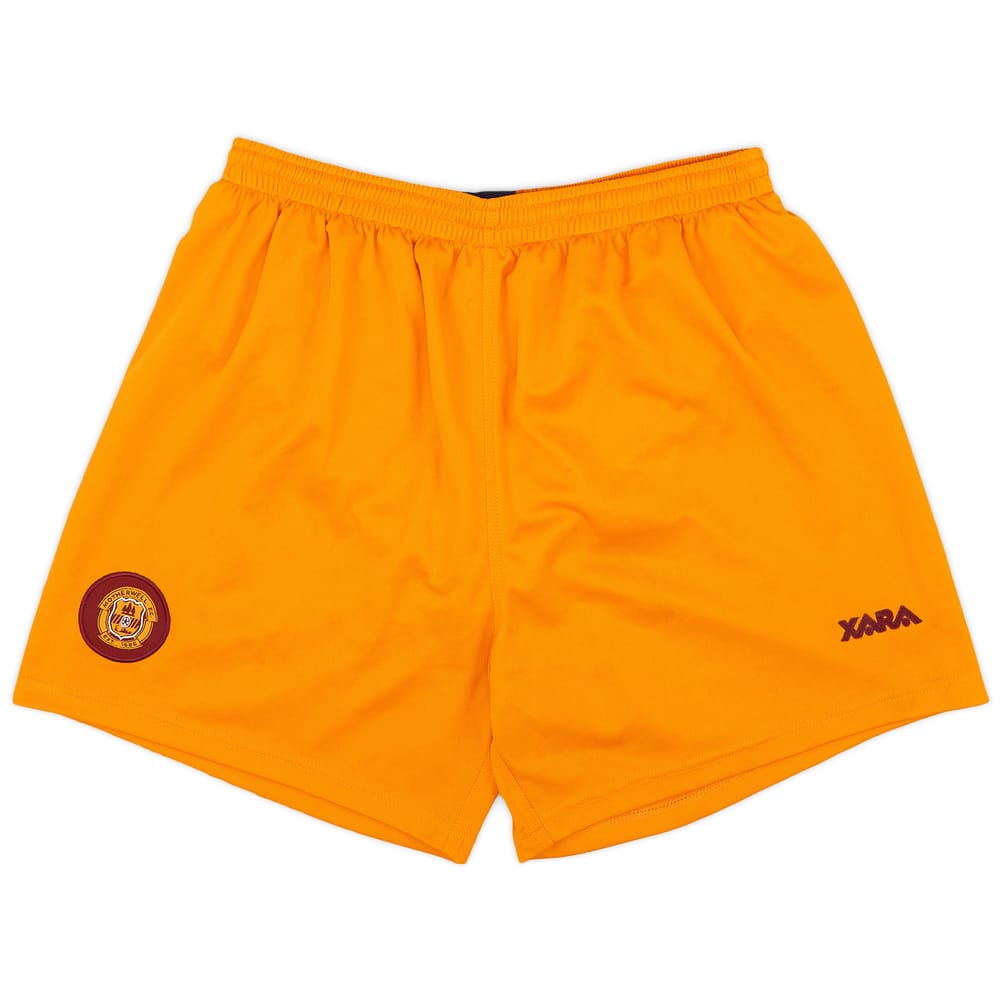
2002-03 Motherwell Xara Home Shorts - 7/10 - (XL)
47.99£ - ca: €57

1998-99 Motherwell Home Shorts - 9/10 - (M)
47.99£ - ca: €57

2021-22 Motherwell Away Shirt - 8/10 - (S)
47.99£ - ca: €57

2017-18 Motherwell GK Shirt - 8/10 - (S)
41.99£ - ca: €50

2015-16 Motherwell Macron Training Shirt - 6/10 - (XXL)
41.99£ - ca: €50

2018-19 Motherwell GK S/S Shirt - 8/10 - (M)
41.99£ - ca: €50

2014-15 Motherwell Macron 1/4 Zip Track Top - 7/10 - (L)
41.99£ - ca: €50
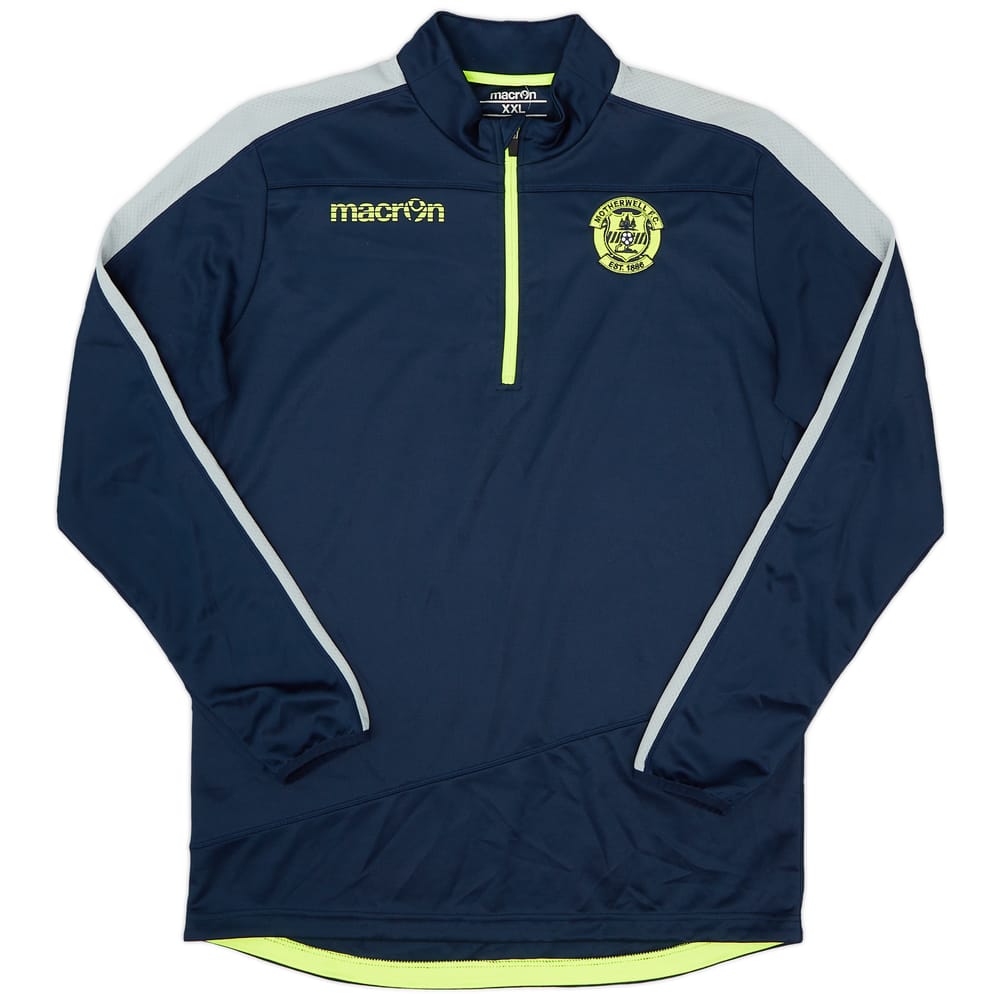
2014-15 Motherwell Macron 1/4 Zip Track Top - 9/10 - (XXL)
41.99£ - ca: €50

2009-10 Motherwell GK Shirt Krysiak #19 - 6/10 - (L)
41.99£ - ca: €50
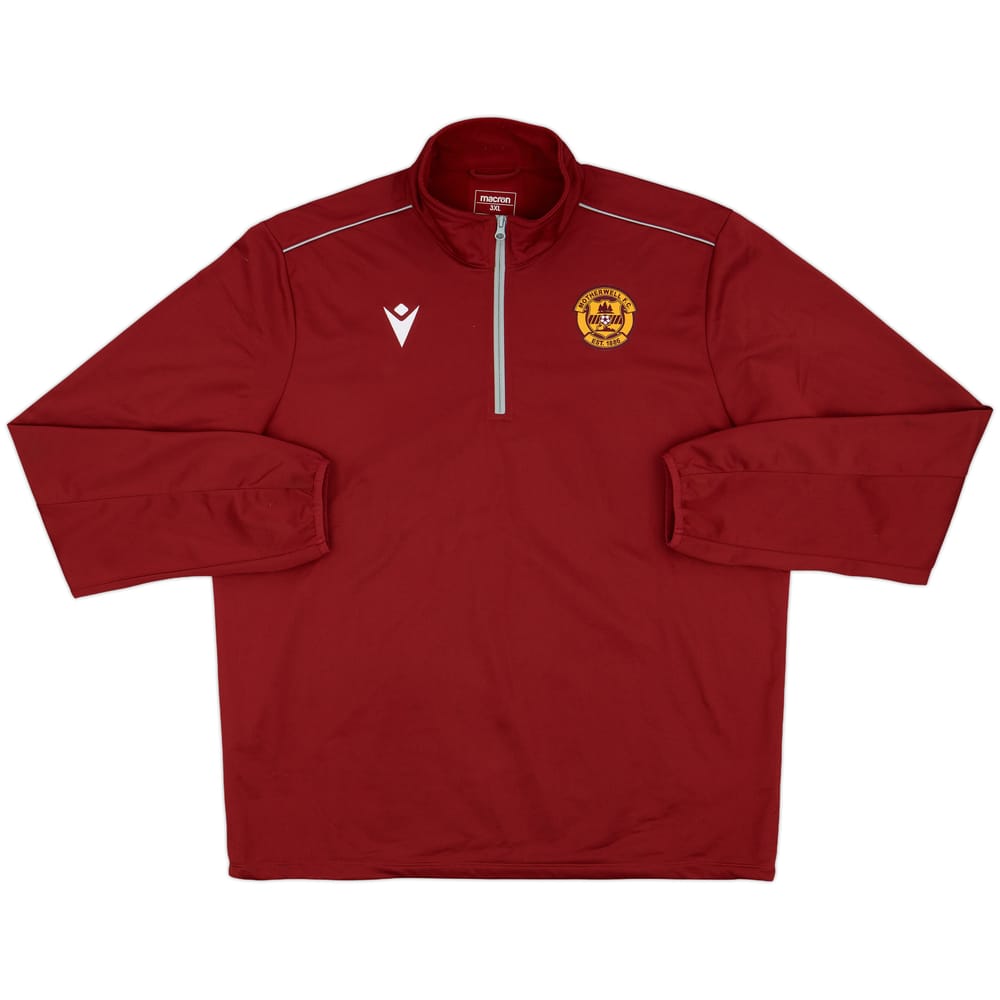
2020-21 Motherwell Macron 1/4 Zip Training Top - 8/10 - (3XL)
35.99£ - ca: €42

2009-10 Motherwell Away Shorts - 7/10 - (XL)
29.99£ - ca: €35

2020-21 Motherwell Macron 1/4 Zip Training Top - 9/10 - (M)
29.99£ - ca: €35

2013-14 Motherwell Puma Training Shirt - 9/10 - (M)
29.99£ - ca: €35

2022-23 Motherwell Macron Training Shirt - 9/10 - (XL)
29.99£ - ca: €35


2020-21 Motherwell Macron Training Shirt - 8/10 - (XXL)
23.99£ - ca: €28

2013-14 Motherwell GK Shirt #1 - 7/10 - (S)
23.99£ - ca: €28

2013-14 Motherwell Away Shirt - 5/10 - (S)
23.99£ - ca: €28

2011-13 Motherwell Home Shirt #18 - 6/10 - (14-15 Years)
23.99£ - ca: €28

2022-23 Motherwell Away Shirt - 8/10 - (15-16 Years)
23.99£ - ca: €28

2023-24 Motherwell Macron Polo Shirt - 7/10 - (M)
23.99£ - ca: €28
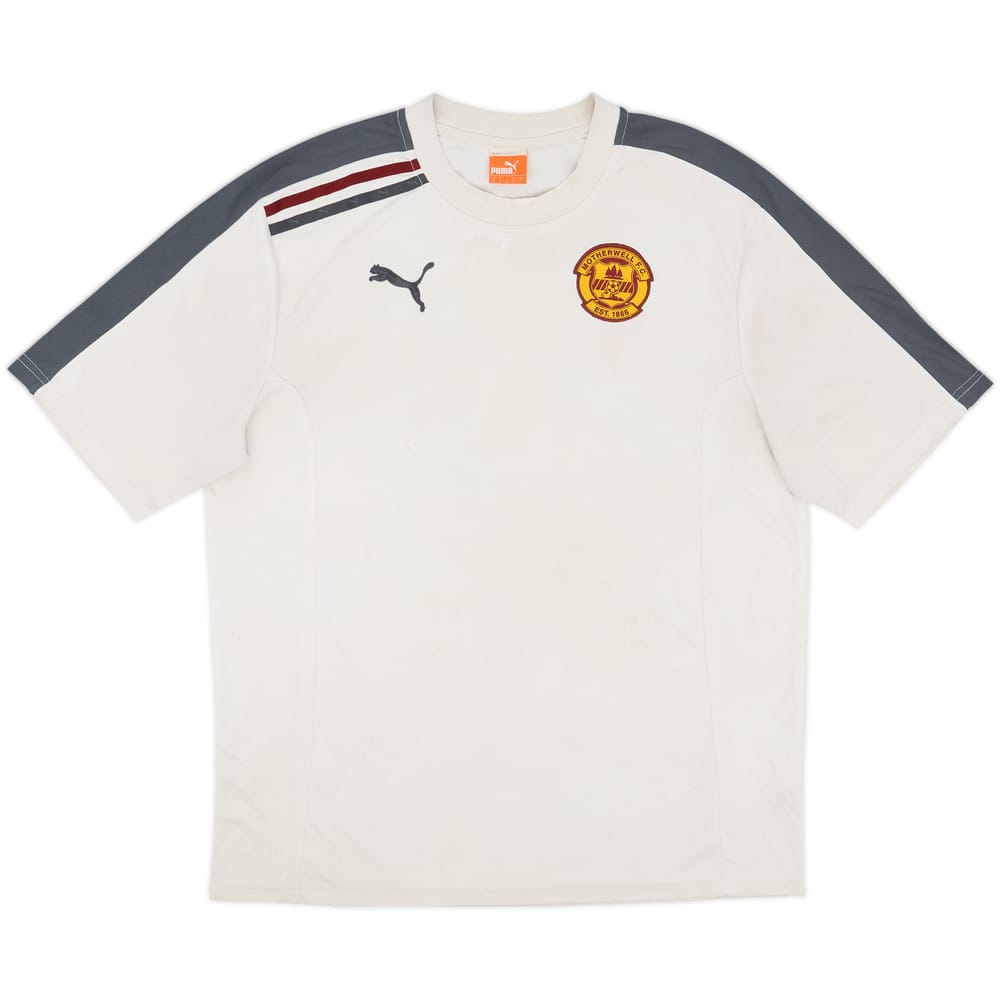
2011-12 Motherwell Puma Training Shirt - 4/10 - (L)
17.99£ - ca: €21

2015-16 Motherwell Macron Training Shirt - 6/10 - (3XL)
17.99£ - ca: €21

2020-21 Motherwell Macron Training Shirt - 8/10 - (S)
17.99£ - ca: €21

2017-18 Motherwell Macron Training Shirt - 9/10 - (6-7 Years)
17.99£ - ca: €21

2016-17 Motherwell Community Trust GK Shirt #12 - 8/10 - (S)
17.99£ - ca: €21

2021-22 Motherwell Women's Home Shirt Skelton #24 - 7/10 - (Men's S)
17.99£ - ca: €21

2020-21 Motherwell Macron Training Shirt - 6/10 - (S)
11.99£ - ca: €14
Introduction
Motherwell Football Club, affectionately known as ‘The Steelmen,’ is a professional football club based in the town of Motherwell, Scotland. Founded in 1886, the club is steeped in rich history and has grown to become an integral part of Scottish football culture. The team’s colors—claret and amber—evoke a sense of pride and tradition among its passionate fanbase. With a reputation for hard work and resilience, Motherwell not only represents its community but also embodies the spirit of Scottish football.
Club History
The origin of Motherwell FC traces back to the desire of local mill workers to play football, leading to its official formation in 1886. Initially competing in junior football, the club quickly transitioned into the senior ranks and joined the Scottish Football League in 1893. The first significant milestone in their history came in 1931 when they won their first major trophy, the Scottish Cup. This marked the beginning of Motherwell’s journey as a competitive entity in Scottish football.
Throughout the decades, Motherwell has faced challenges, including financial difficulties and relegation, but its resilience has been commendable. Notably, in the early 1990s, the club struggled but bounced back under the management of Tommy McLean, who led them to the Scottish Cup victory in 1991. The resilience of the club and its supporters has been vital in navigating both highs and lows, confirming Motherwell’s place in the Scottish football landscape.
Achievements
Motherwell FC has a proud history of success, with various trophies and accolades illuminating its journey. The club’s most notable achievement came in 1991 when they claimed the Scottish Cup after defeating Dundee United in the final. This triumph is particularly cherished by fans, as it was a crucial moment in the club’s modern history.
Domestically, the club has won the Scottish League Championship twice: first in 1931 and again in 1952. Additionally, Motherwell has been a consistent competitor in the Scottish Premiership, finishing as runners-up on multiple occasions. One prominent season was 2012-13 when the club finished second in the league, their highest finish in nearly twenty years, earning a place in European competitions.
Internationally, Motherwell has participated in the UEFA Cup and the Europa League, notably reaching the group stages in 2013. These moments have allowed the club to showcase their talent on a larger stage, representing Scotland and instilling pride among their supporters.
Significant Players and Matches
Over the years, Motherwell has been home to numerous talented players who have left their mark on the club and Scottish football. One of the most iconic figures is Willie Pettigrew, who scored 207 goals during his time at Motherwell from 1963 to 1977, making him the club’s all-time leading scorer. His contributions were critical during the club’s successful runs in the 1970s.
Another significant player is Phil O’Donnell, an esteemed figure who tragically passed away in 2007. O’Donnell’s dedication and skill made him a fan favorite during his tenure, and his legacy continues to resonate with supporters today.
A landmark match that stands out in the club’s history was the 1991 Scottish Cup final against Dundee United. The match, played at Hampden Park, was a nail-biter, culminating in a dramatic penalty shootout, where Motherwell emerged victorious. It remains one of the defining moments in the club’s history.
Cultural Impact
Motherwell FC holds a unique place in the heart of its local community. The club has fostered a sense of identity and pride for the residents of Motherwell and surrounding areas. Match days transform the town, with supporters gathering to celebrate their love for the game and their team.
The club’s influence extends beyond the pitch. Through community outreach programs and initiatives, Motherwell FC promotes social inclusion, youth engagement, and local development. The connection between the club and its supporters is palpable, as fans come together to celebrate victories and support the team through challenging times.
The local fanbase has a reputation for loyalty and passion, creating an electrifying atmosphere at Fir Park, the club’s home ground. This camaraderie among supporters reaffirms Motherwell’s status not just as a football club but as a vital part of the community’s cultural fabric.
Conclusion
Motherwell Football Club has cultivated a rich legacy since its inception in 1886. From its early days in junior football to becoming a staple of the Scottish Premiership, Motherwell has demonstrated resilience, passion, and dedication. With notable achievements, iconic players, and a robust community connection, the club remains an integral part of Scottish football history. As the club continues to strive for success, its legacy is likely to grow, ensuring that ‘The Steelmen’ remain a beloved institution for generations to come.
Advertising links: retro-football-shirt.com is an independent affiliate site. The buy links go to Classic Football Shirts, and we may earn a commission on purchases made through our links. The purchase is made at the retailer, where you will also find the current price, availability and terms of sale.