Arsenal

1983-86 Arsenal Match Issue Away L/S Shirt #14
1799.99£ - ca: €2124

1982-84 Arsenal Match Issue Home L/S Shirt #4
1799.99£ - ca: €2124

1983-86 Arsenal Match Issue Away L/S Shirt #7
1799.99£ - ca: €2124

1983-86 Arsenal Match Issue Away L/S Shirt #6
1799.99£ - ca: €2124

1982-84 Arsenal Match Issue Home L/S Shirt #10
1799.99£ - ca: €2124

1983-86 Arsenal Match Issue Away L/S Shirt #15
1799.99£ - ca: €2124

1982-84 Arsenal Match Issue Home L/S Shirt #5
1799.99£ - ca: €2124

1996-97 Arsenal Match Issue Home L/S Shirt Selley #22
1199.99£ - ca: €1416

1996-97 Arsenal Match Issue Home Shirt McGoldrick #21
1199.99£ - ca: €1416

1993-94 Arsenal Match Issue Away Shirt #9
959.99£ - ca: €1133

2002-04 Arsenal Match Issue Home L/S Shirt Cygan #18
719.99£ - ca: €850

2024-25 Arsenal Match Issue Third Shirt Saka #7
599.99£ - ca: €708
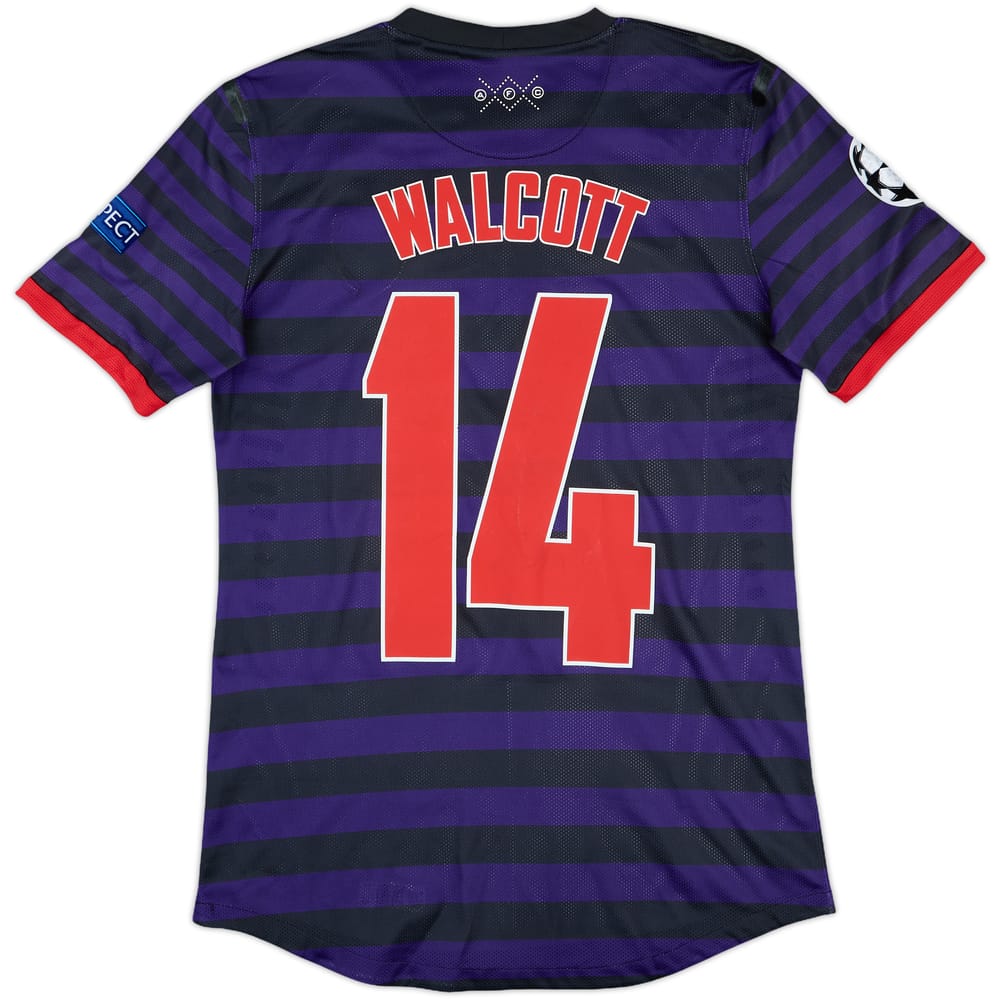
2012-13 Arsenal Match Issue Away Shirt Walcott #14
599.99£ - ca: €708

1994-96 Arsenal Player Issue Home L/S Shirt #4 (S)
599.99£ - ca: €708

1994-96 Arsenal Player Issue Home L/S Shirt #5 (S)
599.99£ - ca: €708

1994-96 Arsenal Player Issue Home L/S Shirt #3 (S)
599.99£ - ca: €708

2012-13 Arsenal Match Issue Third Shirt S.Cazorla #19
599.99£ - ca: €708

1994-96 Arsenal Player Issue Home L/S Shirt #2 (S)
599.99£ - ca: €708

1990-92 Arsenal adidas Tracksuit - 10/10 - (M)
599.99£ - ca: €708

1992-94 Arsenal adidas Tracksuit - 10/10 - (XL)
599.99£ - ca: €708
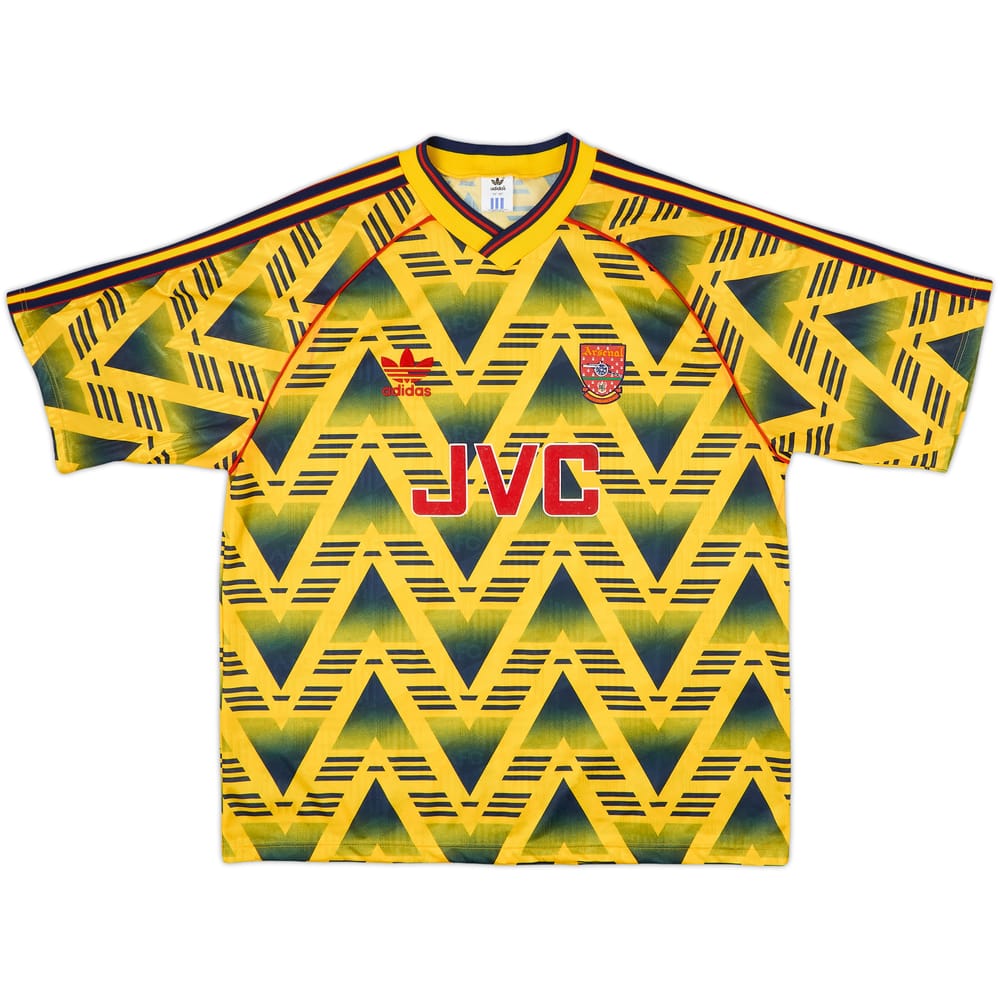
1991-93 Arsenal Away Shirt - 10/10 - (L/XL)
599.99£ - ca: €708

2004-05 Arsenal Home Shirt Vieira #4 (XXL)
539.99£ - ca: €637

1988-90 Arsenal Home Shirt - 10/10 - (M)
539.99£ - ca: €637
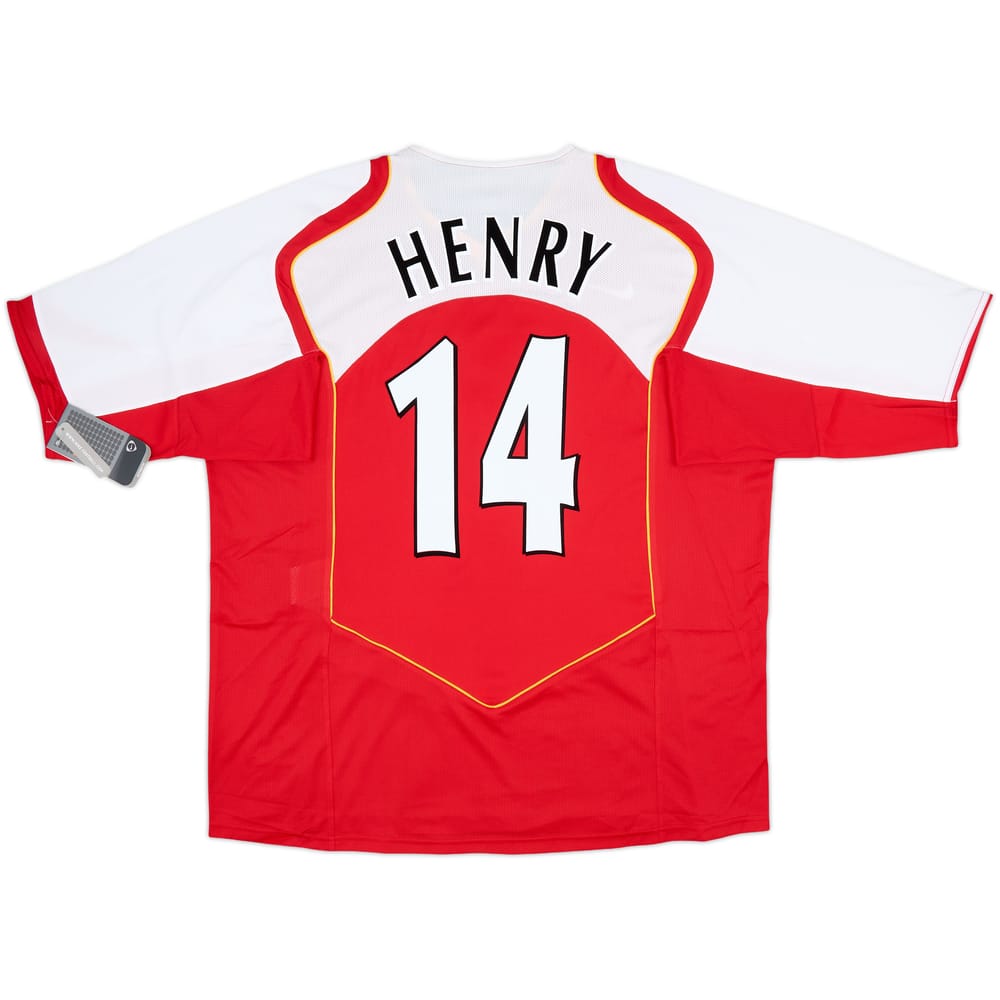
2004-05 Arsenal Home Shirt Henry #14 (XXL)
539.99£ - ca: €637

1992-94 Arsenal adidas Tracksuit - 8/10 - (L)
539.99£ - ca: €637

1992-94 Arsenal adidas Tracksuit - 9/10 - (L)
539.99£ - ca: €637

1990-92 Arsenal adidas Tracksuit - 8/10 - (XL)
539.99£ - ca: €637

1990-92 Arsenal adidas Tracksuit - 9/10 - (L)
539.99£ - ca: €637

1990-92 Arsenal adidas Tracksuit - 8/10 - (M/L)
539.99£ - ca: €637

1983-86 Arsenal Away Shirt - 8/10 - (M)
539.99£ - ca: €637

1992-94 Arsenal adidas Tracksuit - 8/10 - (L)
539.99£ - ca: €637

1992-94 Arsenal adidas Tracksuit - 8/10 - (L/XL)
539.99£ - ca: €637

1992-94 Arsenal adidas Tracksuit - 9/10 - (L)
539.99£ - ca: €637

1990-92 Arsenal adidas Bench Coat - 8/10 - (L/XL)
479.99£ - ca: €566

1991-93 Arsenal Away Shirt - 8/10 - (S)
479.99£ - ca: €566

1978-81 Arsenal Home L/S Shirt - 8/10 - (M)
479.99£ - ca: €566

1994-96 Arsenal Home Shirt Wright #8 - 10/10 - (XXL)
479.99£ - ca: €566

1984-85 Arsenal Home Shirt - 8/10 - (M)
479.99£ - ca: €566

2023-24 Arsenal Match Issue Home Shirt Martinelli #11
479.99£ - ca: €566

1984-85 Arsenal Home Shirt - 9/10 - (L)
479.99£ - ca: €566
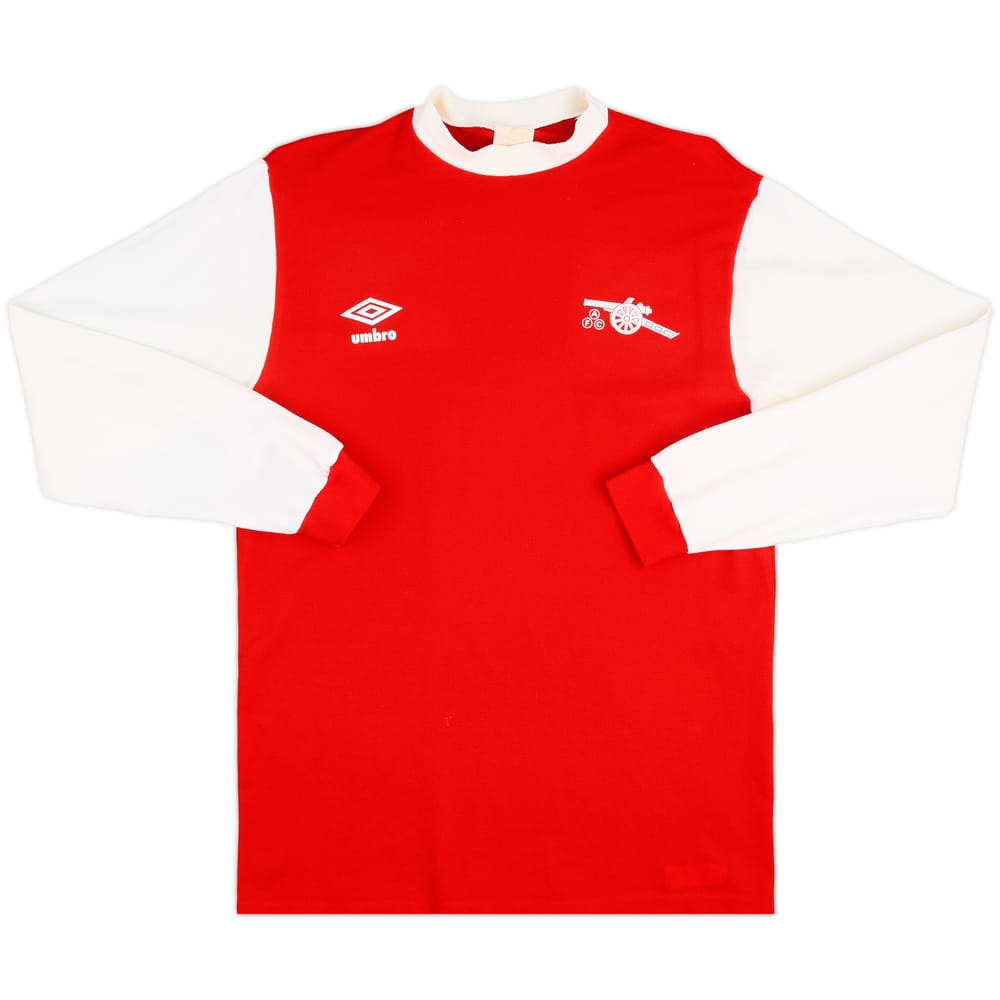
1978-81 Arsenal Home L/S Shirt - 8/10 - (M)
479.99£ - ca: €566

1988-90 Arsenal Home Full Kit - 8/10 - (M)
479.99£ - ca: €566
Introduction
Arsenal Football Club, based in Islington, North London, is one of the most storied and recognized football clubs in the world. Founded in 1886, Arsenal has developed a rich history and a passionate fanbase. Known for their attacking football and innovative style, they have become one of the most successful clubs in English football. The club’s identity is wrapped around its motto, “Victory Through Harmony,” and its iconic red and white colors, attracting millions of fans globally.
Club History
Arsenal was formed in 1886 by a group of workers at the Royal Arsenal in Woolwich, making it the first club from South England to join the Football League in 1893. Early on, the club faced many challenges, including financial struggles and competition within the area. However, the early 20th century marked a turning point, as Arsenal became one of the leading teams in England. In 1913, the club moved to Highbury, which would serve as their home for over 90 years. The 1930s were particularly significant for Arsenal, as they won five league titles and two FA Cups, establishing themselves as a dominant force in English football.
Achievements
Arsenal’s list of achievements is both extensive and impressive. As of October 2023, the club has won 13 FA Cups, the most in the competition’s history, showcasing their enduring success in knock-out tournaments. Arsenal has also claimed 3 League Cups and a significant 16 Community Shields. In terms of league success, they have been crowned champions of the English top flight 13 times, with their most famous triumph being the unbeaten season in 2003-2004, where they went through the entire league campaign without losing a single match. This remarkable feat has earned them the nickname “The Invincibles.” Internationally, Arsenal’s highlight came with their victory in the 1993 Cup Winners’ Cup and their 2006 appearance in the UEFA Champions League final.
Significant Players and Matches
Throughout its history, Arsenal has been home to numerous legendary players who have left an indelible mark on the club. One of the most iconic figures is Thierry Henry, the club’s all-time leading goal scorer with 228 goals. Henry’s flair and finishing ability captivated fans and helped lead Arsenal through some of their most successful periods. Other notable players include Ian Wright, Dennis Bergkamp, and Patrick Vieira, who were integral to Arsenal’s success in the 1990s and early 2000s. Key matches also punctuate Arsenal’s history, such as the dramatic FA Cup semi-final victory over Manchester United in 1999, as well as the memorable 4-2 victory against Tottenham in the 2004 FA Cup, which maintained their unbeaten run.
Cultural Impact
Arsenal’s influence extends far beyond the pitch. The club has a significant impact on local culture and the broader football community. Known for its dedicated and diverse fan base, which includes supporters from various ethnic backgrounds, Arsenal has cultivated a unique culture. The club’s history, characterized by resilience and innovation, resonates with fans and fosters a sense of belonging among supporters. Highbury and the modern Emirates Stadium are not merely venues but landmarks for community gatherings, events, and celebrations. The club’s outreach initiatives also play a crucial role in community development, engaging with young people and encouraging social responsibility through football.
Conclusion
In the context of football history, Arsenal Football Club stands as a pillar of success, tradition, and innovation. With its deep-rooted history, illustrious achievements, and pivotal players, Arsenal has carved a niche as one of football’s elite clubs. The club’s ability to inspire passion, create a vibrant community, and maintain a competitive spirit epitomizes what it means to be a part of the beautiful game. As Arsenal continues to evolve and aim for new heights, its legacy remains firmly entrenched in the annals of football history, ensuring that its story will be told for generations to come.
1 / 54
Advertising links: retro-football-shirt.com is an independent affiliate site. The buy links go to Classic Football Shirts, and we may earn a commission on purchases made through our links. The purchase is made at the retailer, where you will also find the current price, availability and terms of sale.