Preston North End

1992-93 Preston North End Away Shirt - 9/10 - (XL)
239.99£ - ca: €283

2007-08 Preston North End Match Issue Home Shirt Adams #32
119.99£ - ca: €142

2022-23 Preston North End Match Issue Carabao Cup Home Shirt Hughes #16
119.99£ - ca: €142

2006-07 Preston North End Signed Match Issue Home Shirt Miller #20
119.99£ - ca: €142

2004-05 Preston North End Match Issue Away L/S Shirt Ndumbu #9
119.99£ - ca: €142

2022-23 Preston North End Match Issue FA Cup GK Shirt Cornell #25
95.99£ - ca: €113

2025-26 Preston North End Match Issue Third Shirt Potts #44
95.99£ - ca: €113

2025-26 Preston North End Match Issue GK Shirt Walton #12
95.99£ - ca: €113

2025-26 Preston North End Match Issue Home Shirt Vukcevic #3
95.99£ - ca: €113

2026-27 Preston North End Third Shirt
89.99£ - ca: €106
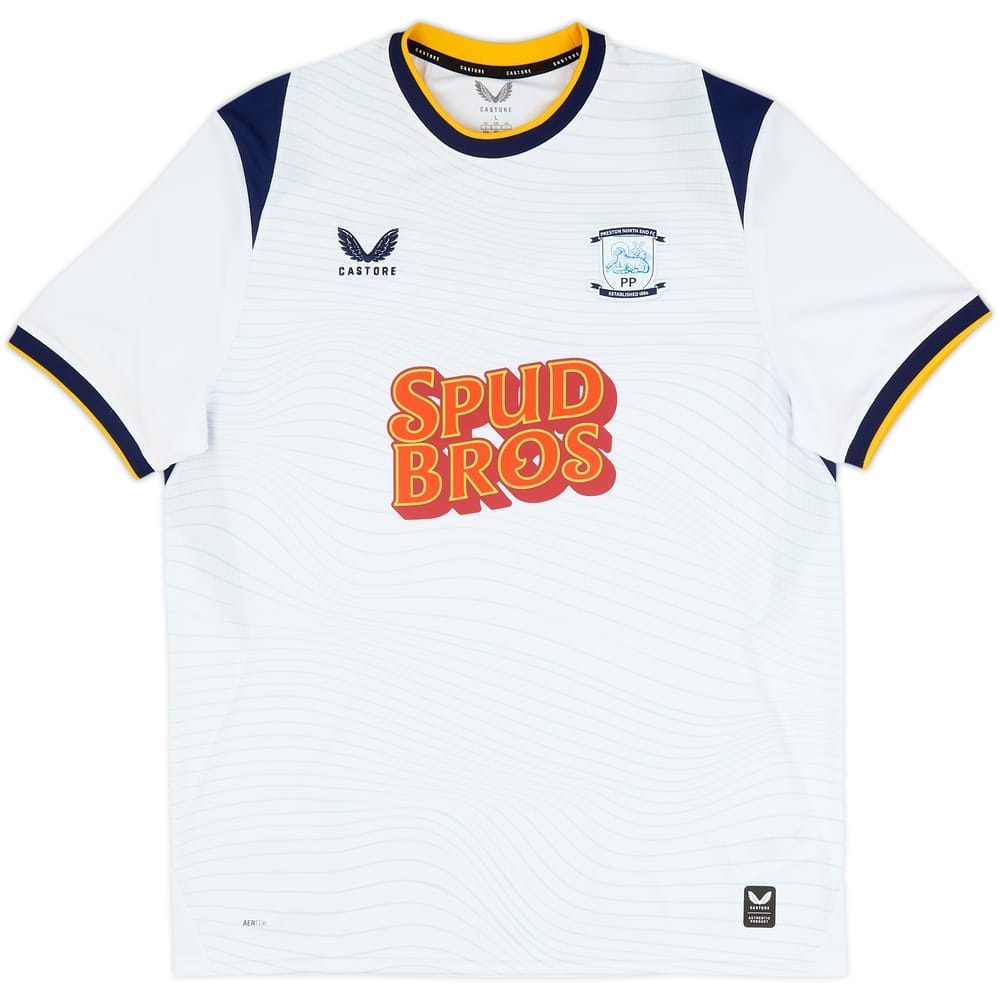
2026-27 Preston North End Home Shirt
89.99£ - ca: €106
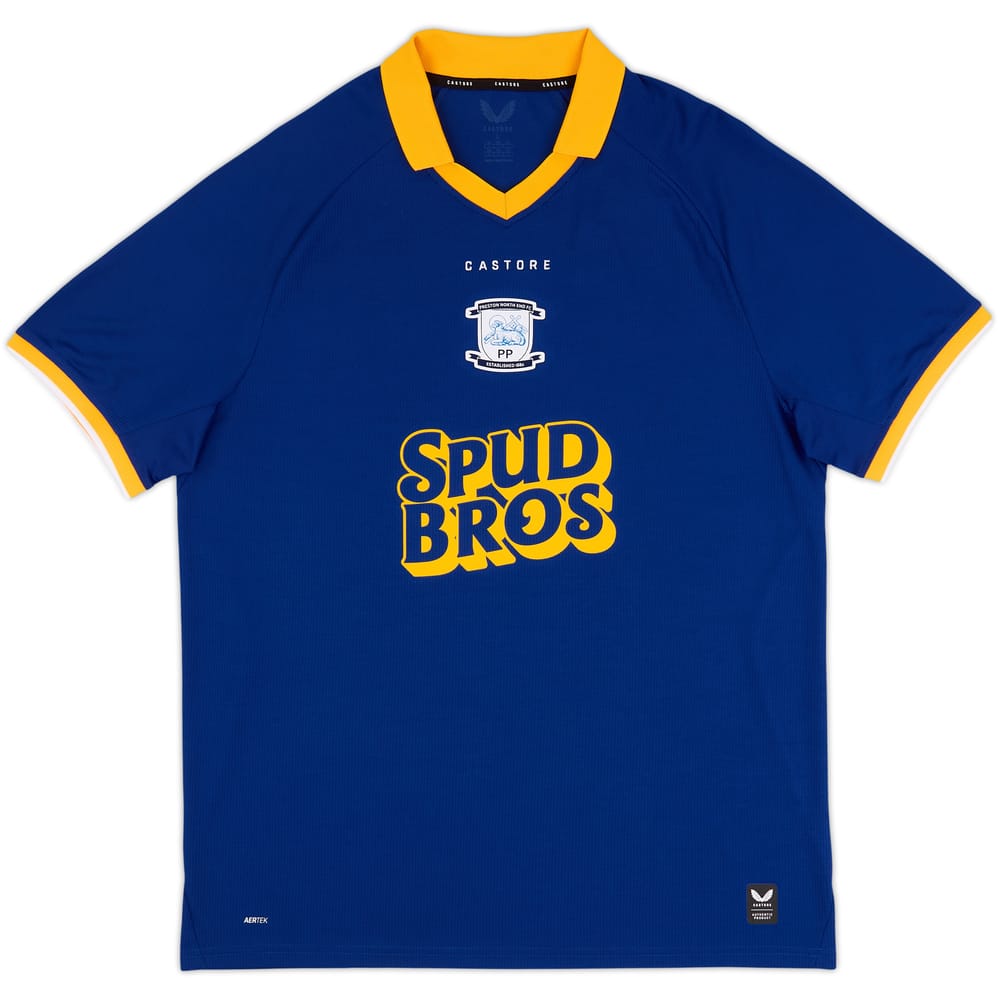
2026-27 Preston North End Away Shirt
89.99£ - ca: €106

2019-20 Preston North End Away Shirt (XXL)
83.99£ - ca: €99

2023-24 Preston North End Match Issue Home Shirt Ramsay #22
71.99£ - ca: €85

2013-14 Preston North End Signed Home Shirt Garner #14 - 6/10 - (L)
59.99£ - ca: €71

2025-26 Preston North End Match Issue Home Shirt #19
59.99£ - ca: €71

2010-11 Preston North End Avec Track Jacket - 8/10 - (L)
59.99£ - ca: €71

2023-24 Preston North End Match Issue GK Shirt #39
59.99£ - ca: €71

2008-09 Preston North End Home Shirt Williamson #6 - 6/10 - (L)
59.99£ - ca: €71

2016-17 Preston North End Away Shirt - 6/10 - (L)
53.99£ - ca: €64


2023-24 Preston North End Match Issue Home Shirt #39
47.99£ - ca: €57

2024-25 Preston North End Match Issue Home Shirt #9
47.99£ - ca: €57

2025-26 Preston North End Retro L/S Shirt
47.99£ - ca: €57

2024-25 Preston North End Match Issue Away Shirt #9
47.99£ - ca: €57

2024-25 Preston North End Match Issue Away Shirt #12
47.99£ - ca: €57

2024-25 Preston North End Match Issue GK Shirt #38
47.99£ - ca: €57

2024-25 Preston North End Match Issue GK Shirt #38
47.99£ - ca: €57

2023-24 Preston North End Match Issue Home Shirt #38
47.99£ - ca: €57

2023-24 Preston North End Match Issue Home Shirt #31
47.99£ - ca: €57

2006-07 Preston North End Diadora Polo Shirt - 8/10 - (L)
41.99£ - ca: €50

2025-26 Preston North End Away Shirt
35.99£ - ca: €42

2015-16 Preston North End Nike Training Shirt - 6/10 - (M)
35.99£ - ca: €42

2014-15 Preston North End Nike Track Jacket - 10/10 - (M)
35.99£ - ca: €42

2007-08 Preston North End Player Issue Home Shorts #4 - 6/10 - (L)
29.99£ - ca: €35

2023-24 Preston North End Away Shirt
29.99£ - ca: €35

2022-23 Preston North End Player Issue 1/4 Zip Training Top # - 7/10
29.99£ - ca: €35


2015-16 Preston North End Nike Polo Shirt - 7/10 - (S)
29.99£ - ca: €35

2007-08 Preston North End Diadora Cotton Tee - 7/10 - (15-16 Years)
23.99£ - ca: €28

2017-18 Preston North End Nike Training Shirt - 8/10 - (L)
23.99£ - ca: €28
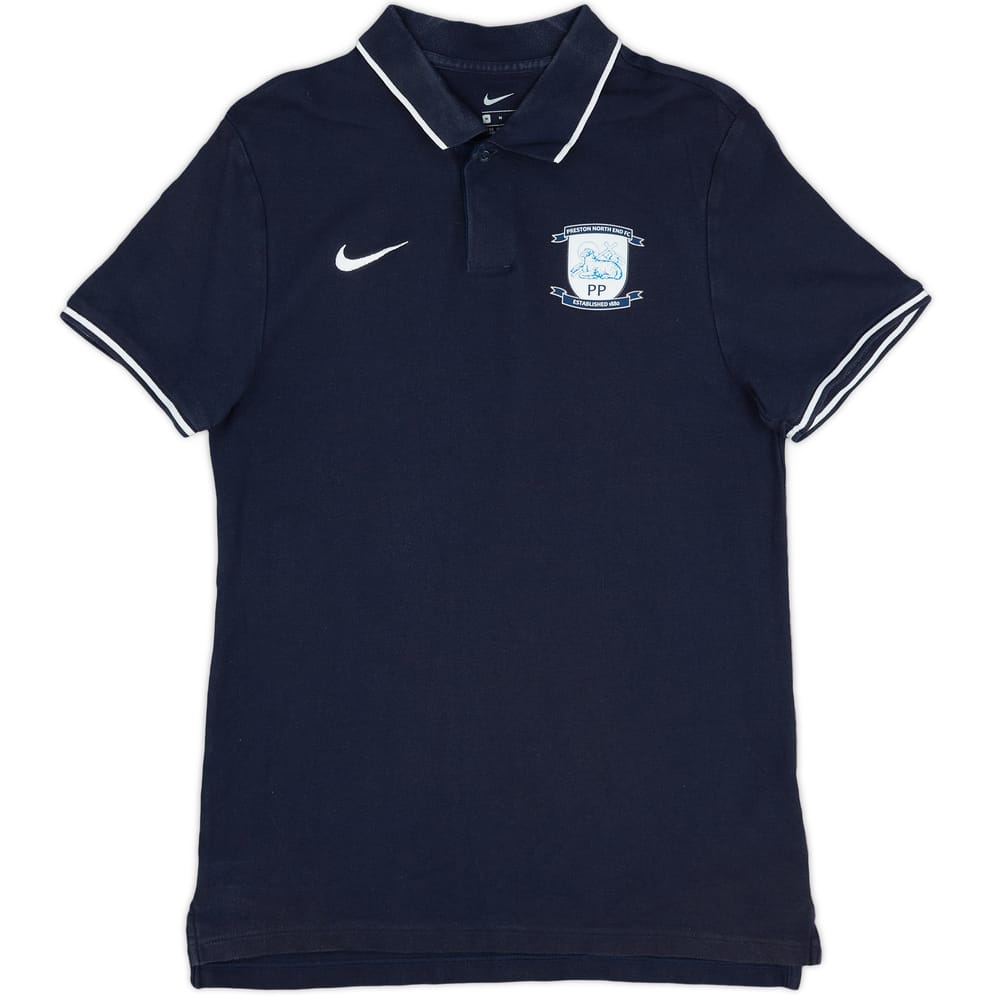
2019-20 Preston North End Nike Polo Shirt - 8/10 - (M)
23.99£ - ca: €28
Introduction
Preston North End Football Club, affectionately known as “The Lilywhites,” is a cornerstone of English football. Founded in 1863, Preston holds the distinction of being one of the oldest football clubs in the world. Located in Preston, Lancashire, the club has a rich history intertwined with the fabric of English football itself. Renowned for its tenacity on the pitch and a devoted fanbase off it, Preston North End embodies both the spirit of competition and a sense of community. This article explores the club’s storied past, notable achievements, players, and impact on the local culture.
Club History
Established in the 19th century, Preston North End was formed from a merger between two local teams – the North End Cricket Club and the Preston Church Institute. The club adopted its distinct colors, white shirts and navy shorts, and quickly became notorious for its prowess on the field. Preston’s significant contributions to football history are characterized by their early adoption of professionalism in the sport, contributing to the formation of the Football League in 1888. That inaugural season saw Preston North End dominate, going unbeaten throughout the league—an achievement that earned them the title of “The Invincibles.” The club’s long-standing traditions and deep-rooted values come from this early period of success, setting a precedent for future generations.
Achievements
Preston North End has a commendable list of achievements. As mentioned, they were the first winners of the Football League in 1888-89, completing their season without a single loss. This remarkable feat remains celebrated in the club’s lore. In addition, Preston North End excelled in the FA Cup, lifting the trophy twice—first in 1889 and then again in 1938. The club has also seen success in the Second Division, where they finished as runners-up multiple times and secured a historic promotion to the top flight of English football. Additionally, Preston reached the semi-finals of the FA Cup in the 2000–01 and 2014–15 seasons, showcasing their ability to compete against top-tier teams. Although they have yet to secure a major title since the 1960s, their history and contributions to the football community are immeasurable.
Significant Players and Matches
Throughout its history, Preston North End has been home to several legendary players. Sir Tom Finney, a forward who played for the club from 1946 to 1960, is perhaps the most iconic figure associated with the club. His exceptional skill and sportsmanship earned him 76 caps for England, solidifying his status as a national treasure. Finney’s contribution to Preston North End culminated in numerous memorable performances, including a hat-trick in an FA Cup semi-final against Leicester City in 1954. Other notable players include the likes of Billy Bremner and more recent stars like David Nugent, who played a significant role in the club’s campaigns during the early 2000s. Matches like the thrilling 3-2 victory against Birmingham City in 1994 and the tense play-off games for promotion have cemented themselves in the memories of fans, showcasing the passion and excitement that characterizes Lilywhites football.
Cultural Impact
Preston North End’s influence goes beyond just sporting achievements; it plays a vital role in the local culture of Preston and its surrounding areas. The club’s long-standing history and fixtures at Deepdale Stadium, which has been its home since 1878, instill a sense of pride and identity among the local populace. Matchdays bring the community together, where families and friends gather to support their team. The club fosters a culture of inclusion and accessibility by engaging with local schools and charities. Events like charity matches and community outreach initiatives reinforce Nord End’s commitment to being an integral part of the Lancashire community. Furthermore, the club’s rich history serves as a source of inspiration for budding footballers in the area, encouraging youth engagement in the sport.
Conclusion
Preston North End Football Club stands out as a significant player in the history of English football. From its humble beginnings to becoming one of the inaugural members of the Football League, its journey is illustrative of the evolution of the sport itself. Despite facing ups and downs throughout the decades, the club’s enduring legacy, notable achievements, and strong community ties attest to its status as a local institution. The successes and challenges that the Lilywhites have faced resonate deeply with their loyal fanbase, ensuring that their story is woven into the broader tapestry of football history. With aspirations of reclaiming their former glory, Preston North End continues to inspire passion and dedication in both its supporters and the game of football itself.
1 / 2
Advertising links: retro-football-shirt.com is an independent affiliate site. The buy links go to Classic Football Shirts, and we may earn a commission on purchases made through our links. The purchase is made at the retailer, where you will also find the current price, availability and terms of sale.