Crewe Alexandra

1992-93 Crewe Alexandra Home Shirt - 8/10 - (L)
239.99£ - ca: €283

1997-98 Crewe Alexandra Away Shirt - 8/10 - (XL)
179.99£ - ca: €212

1997-98 Crewe Alexandra Away Shirt - 8/10 - (XL)
179.99£ - ca: €212

1997-98 Crewe Alexandra GK Shirt - 6/10 - (XXL)
149.99£ - ca: €177

1998-99 Crewe Alexandra Home Shirt - 9/10 - (XL)
149.99£ - ca: €177

1997-98 Crewe Alexandra Away Shirt - 8/10 - (S)
149.99£ - ca: €177

1999-00 Crewe Alexandra Home Shirt - 8/10 - (XXL)
119.99£ - ca: €142

1994-95 Crewe Alexandra Vandanel Padded Bench Coat - 8/10 - (XL)
107.99£ - ca: €127


1999-00 Crewe Alexandra GK S/S Shirt - 8/10 - (XXL)
95.99£ - ca: €113

2002-03 Crewe Alexandra Home Shirt - 6/10 - (XL)
83.99£ - ca: €99

2000-01 Crewe Alexandra Home Shirt - 5/10 - (XL)
71.99£ - ca: €85

2005-06 Crewe Alexandra GK Shirt - 8/10 - (XL)
71.99£ - ca: €85

2015-16 Crewe Alexandra Home Shirt Atkinson #8 - 8/10 - (M)
59.99£ - ca: €71

1995-96 Crewe Alexandra Home Shirt - 8/10 - (Y)
59.99£ - ca: €71

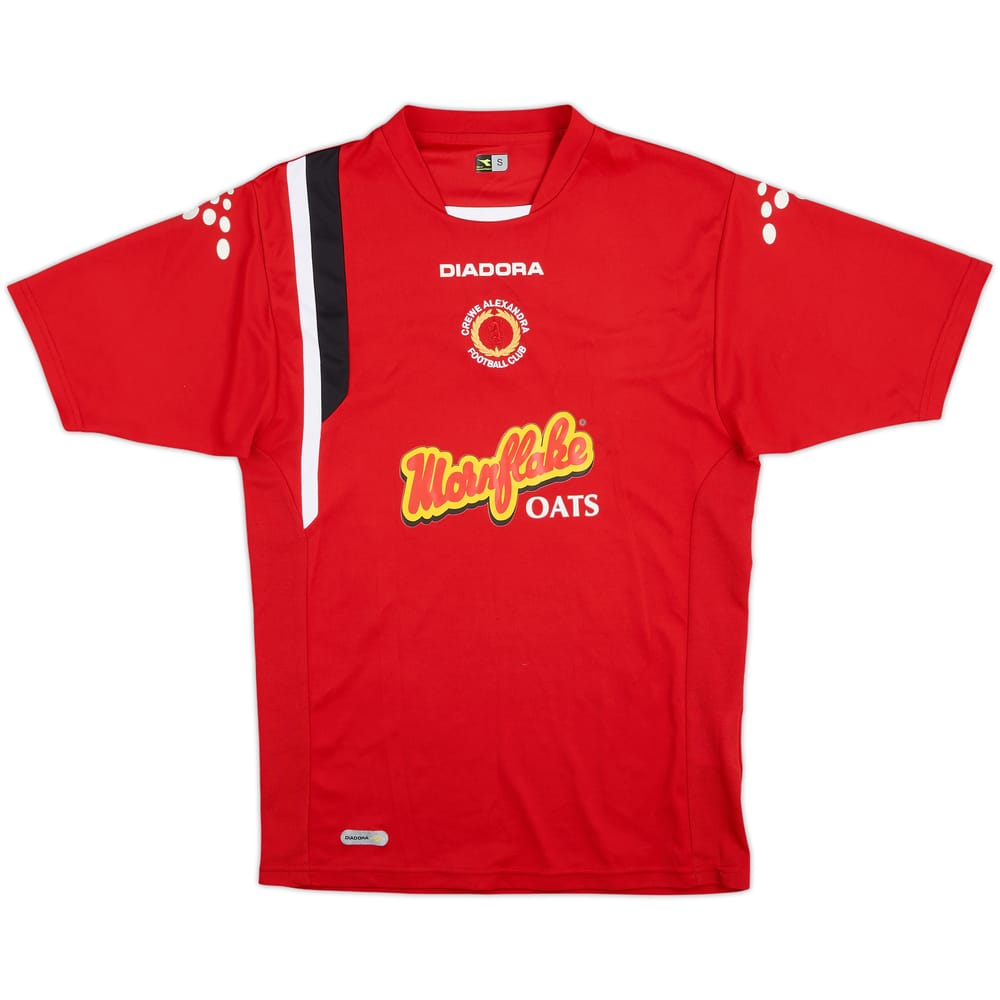
2006-07 Crewe Alexandra Home Shirt - 8/10 - (S)
47.99£ - ca: €57


2018-19 Crewe Alexandra FBT Padded Bench Coat - 10/10 - (M)
47.99£ - ca: €57

2014-15 Crewe Alexandra GK Shirt - 9/10 - (L)
47.99£ - ca: €57

2018-19 Crewe Alexandra FBT Training Shirt - 10/10 - (S)
41.99£ - ca: €50

2016-17 Crewe Alexandra GK Shirt - 8/10 - (L)
41.99£ - ca: €50

2018-19 Crewe Alexandra FBT Padded Bench Coat (M)
41.99£ - ca: €50

2021-22 Crewe Alexandra Home Shirt - 7/10 - (L)
41.99£ - ca: €50

2018-19 Crewe Alexandra Home Shirt - 8/10 - (XS)
41.99£ - ca: €50

2025-26 Crewe Alexandra Away Shirt - 7/10 - (XXL)
35.99£ - ca: €42


2020-21 Crewe Alexandra Away Shirt Finney #14 - 8/10 - (S)
35.99£ - ca: €42

2021-22 Crewe Alexandra Away Shirt - 8/10 - (XS)
35.99£ - ca: €42

2020-21 Crewe Alexandra Away Shirt - 9/10 - (S)
35.99£ - ca: €42

2018-19 Crewe Alexandra FBT Track Jacket - 10/10 - (XS)
29.99£ - ca: €35

2018-19 Crewe Alexandra FBT Training Shirt - 8/10 - (15-16 Years)
29.99£ - ca: €35

2002-03 Crewe Alexandra Reebok Polo Shirt - 9/10 - (L)
29.99£ - ca: €35

2023-24 Crewe Alexandra FBT Track Jacket - 9/10 - (S)
29.99£ - ca: €35

2017-18 Crewe Alexandra FBT Sweat Top - 6/10 - (L)
29.99£ - ca: €35

2017-18 Crewe Alexandra FBT Training Shirt - 9/10 - (M)
23.99£ - ca: €28

2005-07 Crewe Alexandra Away Shirt Bignot #22 - 4/10 - (XL)
23.99£ - ca: €28

2018-19 Crewe Alexandra Training Shirt (Women's M)
23.99£ - ca: €28

2021-22 Crewe Alexandra FBT Polo Shirt - 8/10 - (S)
23.99£ - ca: €28

2017-18 Crewe Alexandra FBT Training Shirt - 9/10 - (M)
23.99£ - ca: €28


2021-22 Crewe Alexandra Third Shirt - 6/10 - (Women's M)
23.99£ - ca: €28
Introduction
Crewe Alexandra Football Club, commonly known as Crewe, is a community-centric club based in the town of Crewe, Cheshire, England. Founded in 1877, Crewe’s identity is rooted in a deep connection with its local community and a commitment to nurturing young talent. Competing in the English football league system, the club has made a significant imprint on British football, known for its focus on youth development and attractive playing style. This article delves into the club’s intriguing history, notable achievements, significant players, and its cultural impact.
Club History
Crewe Alexandra was established on the 26th of April, 1877, originally as a works team for the local railway company. The club adopted its name from the nearby Alexandra Palace, which reflects its historical ties to the rail industry. In 1906, Crewe became a founding member of the Football League‘s Second Division. Their history is marked by various ups and downs, including lengthy spells in different tiers of English football, but they have consistently maintained a reputation for playing a distinctive brand of football.
Significantly, the club’s most prosperous period came during the late 20th century under the management of Dario Gradi, who took charge in 1983. Gradi is credited with modernizing the club’s youth academy, which has been pivotal in developing local talents who play at high levels.
Achievements
Crewe Alexandra has achieved notable success, particularly in the lower divisions of English football. One of their most significant accomplishments was winning the Football League Trophy in 2013. This victory came after a 2-0 triumph over Southend United, showcasing their resilience in knockout competitions. Additionally, they enjoyed a particularly fruitful spell in the late 1990s and early 2000s, when they secured promotion to the First Division (now known as the Championship) in 1997, and maintained their status in the division until 2002.
Domestically, Crewe claimed the Football League Second Division title in the 1996-97 season and have also experienced promotion from League One on multiple occasions. Throughout the club’s history, their focus on youth development has consistently resulted in players making significant contributions at higher levels of English football.
Significant Players and Matches
Crewe Alexandra has been home to several noteworthy players who have left a lasting impact on the club and beyond. Notable alumni include the likes of David Platt, who began his career at Crewe before going on to represent clubs such as Aston Villa and Juventus, as well as earning caps for the England national team. Another significant player is Danny Murphy, who also emerged from Crewe’s youth system and enjoyed successful spells with Liverpool and Tottenham Hotspur.
In terms of landmark matches, the club’s memorable victory in the 2013 Football League Trophy final against Southend United is a defining moment. This match highlighted Crewe’s ability to compete effectively on big occasions, capping off a season during which they stood out in a competitive lower league.
Cultural Impact
The cultural impact of Crewe Alexandra extends beyond the pitch. The club forms an integral part of the local community in Crewe, fostering a strong connection with its supporters. Known for a passionate fanbase, the club encourages family-friendly initiatives and actively engages with its community through outreach programs. This commitment plays a crucial role in local identity, and matchdays often turn into community gatherings that contribute to the vibrant culture in Crewe.
Moreover, Crewe’s longstanding focus on youth development has created a tradition of local fans supporting players who they have watched grow from a young age into professional athletes, further deepening the connection between the club and its supporters.
Conclusion
Crewe Alexandra Football Club stands as a testament to the rich heritage of English football. With a history dating back to 1877, the club has experienced its share of triumphs and challenges while remaining steadfastly connected to its community. Through notable achievements, the development of significant players, and an impactful local presence, Crewe has carved out a niche in the footballing landscape that resonates with fans both locally and beyond. As football continues to evolve, Crewe Alexandra remains a beloved emblem of tradition, youth development, and community pride in English football.
1 / 2
Advertising links: retro-football-shirt.com is an independent affiliate site. The buy links go to Classic Football Shirts, and we may earn a commission on purchases made through our links. The purchase is made at the retailer, where you will also find the current price, availability and terms of sale.