Bristol Rovers

1992-93 Bristol Rovers Home Shirt - 7/10 - (XL)
209.99£ - ca: €248

1997-98 Bristol Rovers Home Shirt - 8/10 - (XXL)
179.99£ - ca: €212

1994-95 Bristol Rovers Away Shirt - 8/10 - (S)
179.99£ - ca: €212

1996-97 Bristol Rovers Away Shirt - 6/10 - (S)
149.99£ - ca: €177

1997-98 Bristol Rovers Home Shirt - 5/10 - (XL)
107.99£ - ca: €127

2003-04 Bristol Rovers Home Shirt - 6/10 - (L)
95.99£ - ca: €113

2001-03 Bristol Rovers Home Shirt - 8/10 - (XXL)
95.99£ - ca: €113

2005-06 Bristol Rovers GK Shirt - 8/10 - (M)
71.99£ - ca: €85

2016-17 Bristol Rovers Away L/S Shirt - 9/10 - (XL)
59.99£ - ca: €71

2016-17 Bristol Rovers Away L/S Shirt - 8/10 - (L)
59.99£ - ca: €71

2007-08 Bristol Rovers Home Shirt - 7/10 - (S)
59.99£ - ca: €71

2022-23 Bristol Rovers Away Shirt - 10/10 - (S)
59.99£ - ca: €71

2019-20 Bristol Rovers Away Shirt - 10/10 - (XXL)
53.99£ - ca: €64

2008-09 Bristol Rovers Home Shirt - 7/10 - (XS)
53.99£ - ca: €64

2017-18 Bristol Rovers Home Shirt (S)
53.99£ - ca: €64

2016-17 Bristol Rovers Home Shirt - 7/10 - (XL)
47.99£ - ca: €57

2012-13 Bristol Rovers Errea Sweat Top - 7/10 - (XXL)
47.99£ - ca: €57

2012-13 Bristol Rovers Away Shirt - 9/10 - (XS)
47.99£ - ca: €57

2020-21 Bristol Rovers Macron Training L/S Shirt - 6/10 - (XXL)
41.99£ - ca: €50

2025-26 Bristol Rovers Third Shirt - 8/10 - (L)
41.99£ - ca: €50

2017-18 Bristol Rovers Away Shirt - 9/10 - (S)
41.99£ - ca: €50

2015-16 Bristol Rovers Away Shirt - 8/10 - (XS)
35.99£ - ca: €42

2020-21 Bristol Rovers Macron Track Jacket - 9/10 - (M)
35.99£ - ca: €42

2014-15 Bristol Rovers Home Shorts (M)
35.99£ - ca: €42

2016-17 Bristol Rovers Macron Padded Bench Coat - 4/10 - (M)
29.99£ - ca: €35

2017-18 Bristol Rovers Macron Polo Shirt - 9/10 - (XL)
29.99£ - ca: €35

2018-19 Bristol Rovers Away Shirt - 5/10 - (XL)
23.99£ - ca: €28
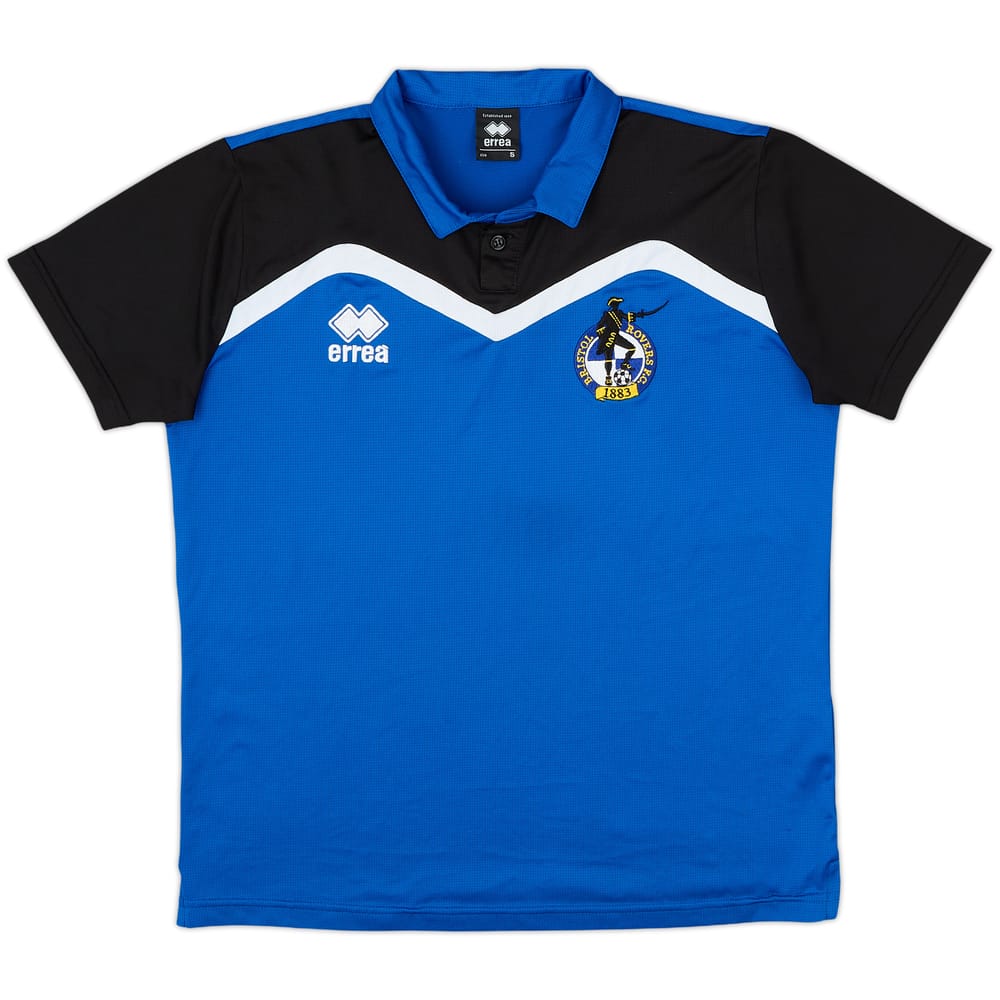
2013-14 Bristol Rovers Errea Polo Shirt - 8/10 - (S)
23.99£ - ca: €28

2023-24 Bristol Rovers Home Shirt - 9/10 - (15-16 Years)
23.99£ - ca: €28

2017-18 Bristol Rovers GK Shirt - 5/10 - (XL)
23.99£ - ca: €28

2019-20 Bristol Rovers Home Shirt - 7/10 - (L.Boys)
23.99£ - ca: €28

2016-17 Bristol Rovers Macron Polo Shirt - 7/10 - (S)
17.99£ - ca: €21
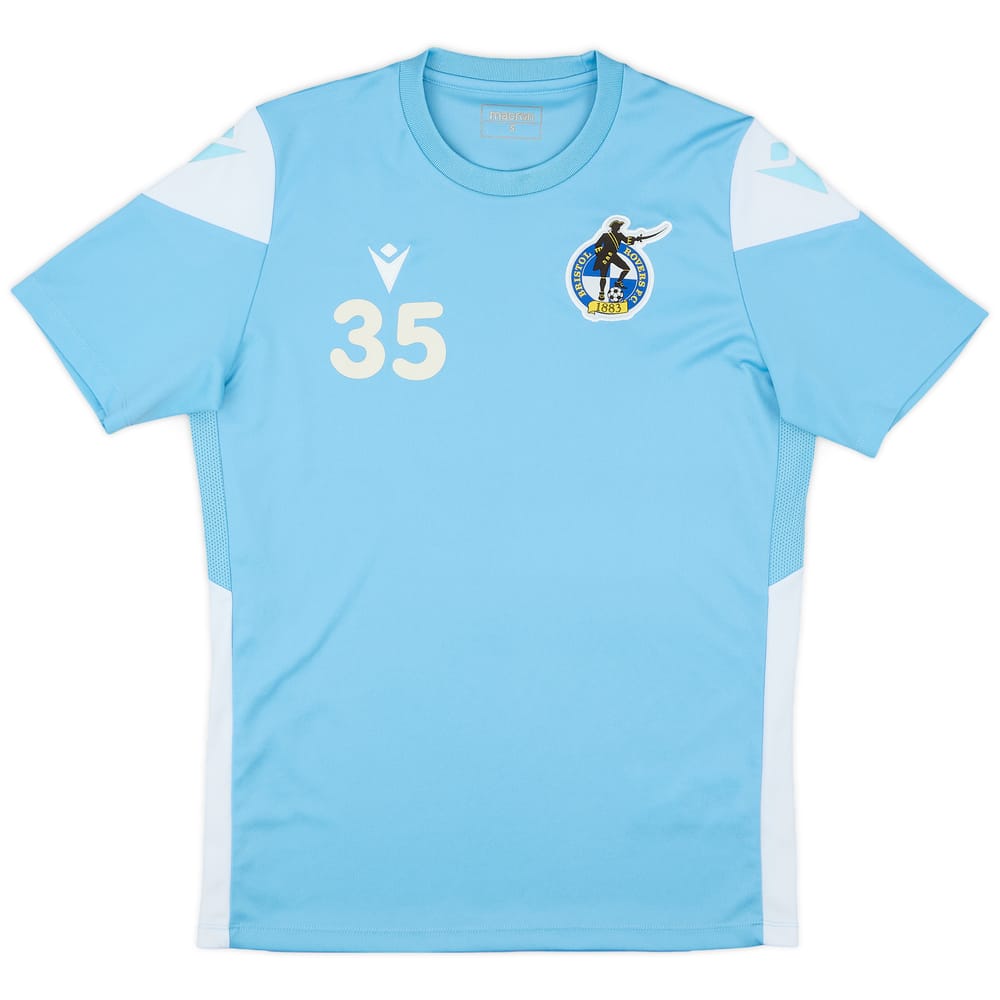

2012-13 Bristol Rovers Errea Training L/S Shirt #9 - 6/10 - (M)
11.99£ - ca: €14

2018-19 Bristol Rovers Away Shirt - 5/10 - (4XL)
11.99£ - ca: €14
Introduction
Bristol Rovers, a professional football club based in the vibrant city of Bristol, England, is renowned for its rich history, passionate fanbase, and competitive spirit on the pitch. Founded in 1883, the club has become an integral part of the local community, representing the identity and pride of Bristol. Known affectionately as “The Pirates,” Bristol Rovers has developed an enduring brand that resonates with supporters across the region and beyond.
Club History
Bristol Rovers was established in 1883 as a team for dockworkers in the local area. Initially named Black Arabs, the club adopted its current name in 1899 to reflect its location and association with the city’s maritime heritage. Rovers joined the Southern League in 1894 and subsequently became a founder member of the Football League Third Division in 1920. Over the decades, the club experienced various highs and lows, including fluctuating between divisions and periods of financial struggle.
One of the most significant moments in the club’s history occurred in the 1980s under the management of Don Megson. Rovers climbed to the Second Division, marking their first promotion to the higher tiers of English football in over two decades. However, the club’s legacy is also defined by its notable achievements and fan interactions throughout its long-standing history.
Achievements
Bristol Rovers has a commendable record of achievements within English football. The club’s highest-ever league finish came during the 1956-57 season when they secured a place in the First Division, finishing 8th. During their time in the Football League, Rovers have been awarded the Fourth Division title on multiple occasions, specifically in 1980-81 and 1990-91. They won the Third Division championship under the stewardship of manager Bobby Gould in 1991-92.
Moreover, Bristol Rovers has made significant strides in domestic cup competitions. One of their most memorable achievements came in the 1991-92 season when they reached the semi-finals of the FA Cup. Although Rovers ultimately fell to the famous West Ham United side, this run reinforced the club’s reputation for resilience and determination. The club has also claimed the EFL Trophy, winning it in 1990, which stands out as a notable success in their cabinet.
Significant Players and Matches
Another legendary figure in the club’s history is the talismanic forward, Rickie Lambert, who emerged from Bristol Rovers’ youth ranks before gaining fame at Southampton and Liverpool. Lambert’s goal-scoring prowess played a significant part in the club’s campaigns in the late 2000s. Significant matches for Rovers include their remarkable 7-0 win against Hereford United in 2008—a game that remains one of the club’s most celebrated victories. These pivotal players and matches have contributed to the identity and narrative of Bristol Rovers’ storied past.
Cultural Impact
Bristol Rovers has had a profound cultural impact on the local community, embodying the spirit of the city and fostering a rich footballing tradition. The club’s loyal fanbase, known for their unwavering support, creates an electric atmosphere at their home ground, the Memorial Stadium. Rovers have cultivated a strong sense of community, with fans often described as a family, reflected in their active involvement in various charitable initiatives.
The club’s relationship with the city is illustrated not only through its fanbase but also via its connections with local businesses and schools. Rovers’ outreach programs work towards educating young people about the importance of sportsmanship, teamwork, and healthy living. This commitment to community engagement reinforces the connection between the club and the people of Bristol, further solidifying its cultural significance.
Conclusion
In conclusion, Bristol Rovers is more than just a football club; it is a symbol of local pride and resilience, rooted deeply within the historic fabric of Bristol. With a rich history, remarkable achievements, and a tight-knit community of supporters, Rovers continue to make their mark on English football. As they strive for future success and new memories on the pitch, Bristol Rovers will always remain a cherished institution in the heart of its fans and the broader footballing landscape.
Advertising links: retro-football-shirt.com is an independent affiliate site. The buy links go to Classic Football Shirts, and we may earn a commission on purchases made through our links. The purchase is made at the retailer, where you will also find the current price, availability and terms of sale.