Legia Warsaw

2018-19 Legia Warsaw Home Shirt (S)
83.99£ - ca: €99

2018-19 Legia Warsaw Home Shirt (S)
71.99£ - ca: €85

2017-18 Legia Warsaw Away L/S Shirt - 10/10 - (XL)
59.99£ - ca: €71

2017-18 Legia Warsaw Away Shirt - 10/10 - (S)
53.99£ - ca: €64
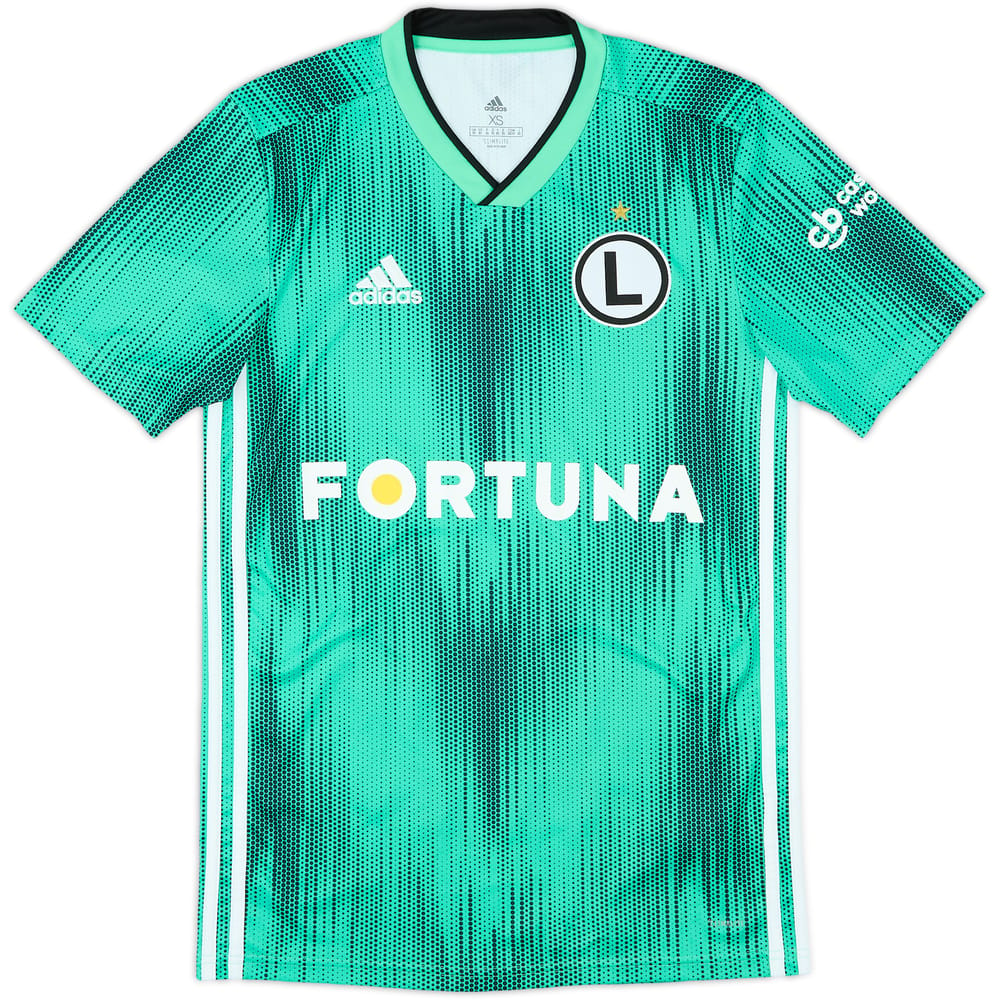
2019-20 Legia Warsaw Away Shirt - 10/10 - (XS)
47.99£ - ca: €57

2017-18 Legia Warsaw Away Shirt - 9/10 - (XS)
47.99£ - ca: €57
Introduction
Legia Warsaw, a name synonymous with Polish football, boasts a rich history and deep-rooted identity that has solidified its place as one of the most beloved clubs in Poland. Founded in 1916, the club has not only been a significant player in domestic competitions but has also made its mark on the international stage. With a passionate fanbase, Legia Warsaw embodies the spirit of Polish football, carrying its legacy through decades of triumphs and challenges.
Club History
Legia Warsaw was established on March 13, 1916, initially as a sports club for soldiers of the Polish Legions during World War I. The club’s name, “Legia,” refers to the military units that fought for Poland, a nod to its origins. The journey from its humble beginnings to its current stature has been filled with historical milestones, including its first recognition in the Polish league in 1927.
Throughout the 1930s, Legia rapidly developed, witnessing its first major triumph by winning the Polish Cup in 1930. The club’s history was disrupted during World War II, yet it re-emerged post-war to dominate Polish football in the following decades. Notably, the club became a founding member of the Ekstraklasa, Poland’s top-tier league, when it was established in 1948.
Achievements
Legia Warsaw’s trophy cabinet reflects its success both domestically and internationally. The club has won the Polish championship 15 times, with their most recent title secured in the 2016-17 season. In addition to their league triumphs, Legia has claimed the Polish Cup a total of 19 times, showcasing its strength in knockout competitions.
Internationally, Legia’s most significant achievement came in 1970 when they reached the semifinals of the European Cup (now the UEFA Champions League), becoming the first Polish club to accomplish such a feat. Additionally, in the 2015-16 season, they made headlines by competing in the group stages of the UEFA Champions League, showcasing their resilience and status on the European stage.
Significant Players and Matches
Throughout its storied history, Legia Warsaw has been home to many notable players who have left an indelible mark on the club. One of the most iconic figures is Kazimierz Deyna, a legendary midfielder who played for Legia in the late 1960s and early 1970s. Deyna was instrumental in Poland’s success during that era, including their bronze medal win at the 1972 Munich Olympics.
Another key player was Artur Boruc, a goalkeeper known for his standout performances, particularly during his tenure with the club from 1999 to 2005. His contributions helped Legia secure crucial victories in both domestic and European competitions.
Landmark matches have also defined the club’s legacy. One such encounter was the thrilling 1995 match against Ajax in the UEFA Cup, where Legia triumphed in a memorable home victory. This match underscored Legia’s competitive spirit on the European front and capabilities against top-tier clubs.
Cultural Impact
Legia Warsaw holds a unique place in Polish culture, acting as a source of pride for residents of Warsaw and fans across the nation. The club’s supporters, known for their passionate loyalty, create an electrifying atmosphere during matches at the iconic Polish Army Stadium, also known as the Legia Stadium. This venue has become a cultural landmark, hosting not just football matches but also concerts and significant events.
The club’s impact extends beyond sport; it plays a vital role in community engagement and youth development. Legia Warsaw runs initiatives to encourage young talent and promote healthy lifestyles through football, emphasizing the sport’s role in personal development and community cohesion.
Conclusion
As a key player in the history of Polish football, Legia Warsaw has established itself not only as a powerhouse in domestic competitions but also as a respected competitor on the European stage. With a storied past, notable achievements, and a passionate fanbase, Legia continues to embody the heart and soul of Polish football. The club’s legacy is characterized by triumphs, legends, and a commitment to nurturing future talent, ensuring its significance in both local culture and the wider footballing community for years to come.
Advertising links: retro-football-shirt.com is an independent affiliate site. The buy links go to Classic Football Shirts, and we may earn a commission on purchases made through our links. The purchase is made at the retailer, where you will also find the current price, availability and terms of sale.